1. Home
  2. Computing
  3. Legacy Archives

GlobalSign stops issuing certificates after DigiNotar hacker boast

Add as a preferred source on Google
GlobalSign
Image used with permission by copyright holder

Certificate authority GlobalSign has stopped issuing new security certificates after a hacker who claimed responsibility for last week’s breach of DigiNotar claimed to have access to four more certificate authorities—specifically naming GlobalSign. As a precaution, GlobalSign as temporarily stopped issued new security certificates until it can complete an investigation; the company also announced it has hired Dutch cyber-security firm Fox-IT to assist—Fox-IT just helped out with the investigation of the DigiNotar breach.

“GlobalSign takes this claim very seriously and is currently investigating,” the company wrote.

Recommended Videos

GlobalSign’s move comes after an anonymous post surfaced on Pastebin, claiming to be from the attacker who recently issued several hundred bogus security certificates from DigiNotar (including one for Google). The Pastebin account was the same one used someone claiming to have previously breached the Comodo certificate authority. The attacker has also given interviews, and claims to be a 21 year-old Iranian.

In theory, the bogus certificates could be used to intercept secured communications with a Web site via a man-in-the-middle attack. Both Fox-IT and Trend Micro have noted that a large number of IP addresses connecting to Google and authenticating via DigiNotar after the breach were from Iran.

In the meantime, Dutch telecommunications firm KPN says its Getronics unit is picking up new business from former DigiNotar customers. Major desktop Web browsers have issued updates invalidating all security certificates issued by DigiNotar in order to protect users from possible security threats.

However, smartphone users may still be at risk: no smartphone or mobile OS makers (including Google and Apple) have announced plans to revoke DigiNotar certificates on devices running their operating system. This means those devices are, in theory, still susceptible to man-in-the middle attacks that would enable others to spy on communications. Given that one of the bogus certificates was issued for Google, the threat to Android users could be significant.

Apple, Google, and other smartphone OS makers must work with carriers to get updates to their users, even in the case of serious security issues like the DigiNotar breach.

Geoff Duncan
Former Contributor
Geoff Duncan writes, programs, edits, plays music, and delights in making software misbehave. He's probably the only member…
Topics
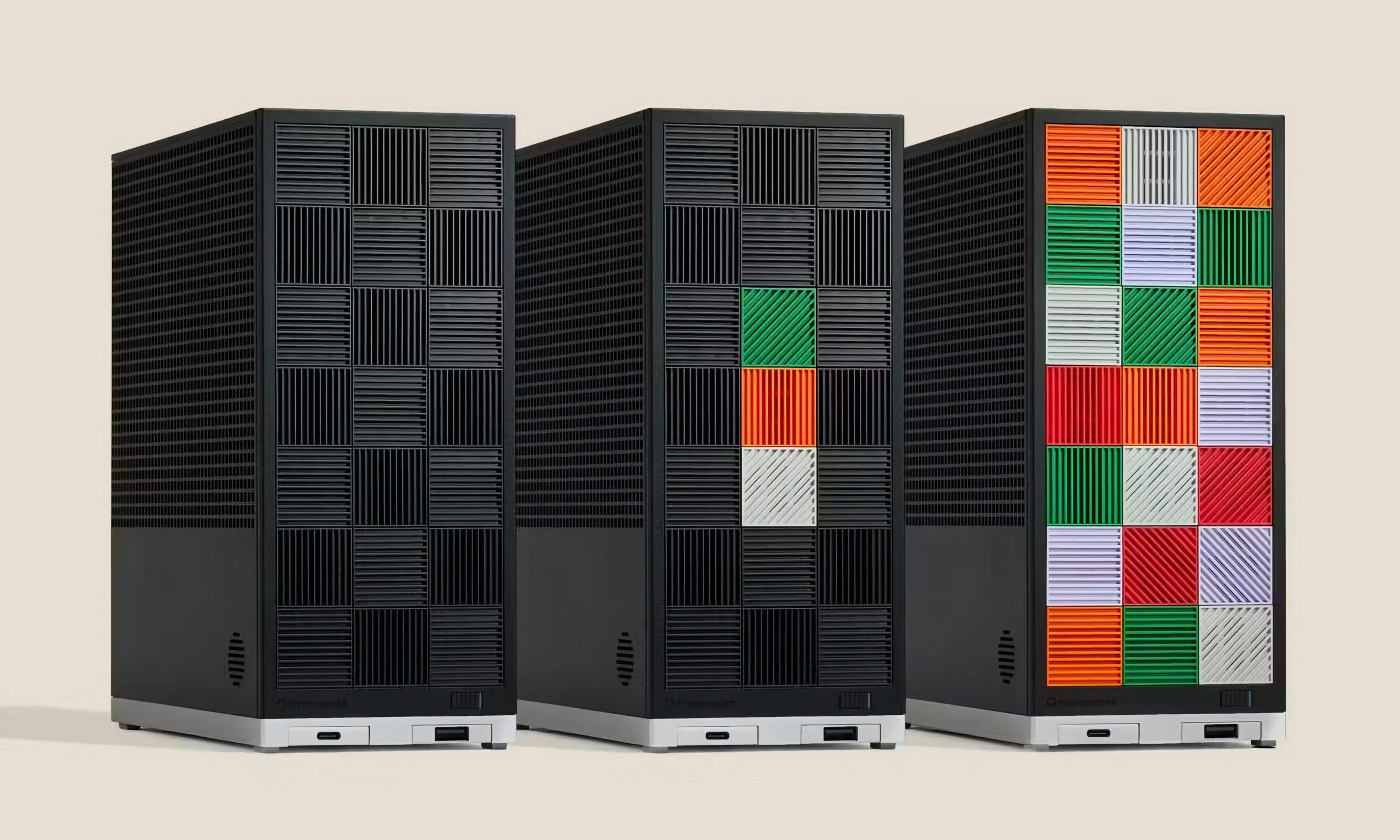
Framework Desktop packs Ryzen AI Max, up to 192GB of RAM, and local AI into a mini PC
192GB of RAM in a desktop this small? Framework says yes.
Framework Desktop feature

Framework has built a reputation for shipping things other PC makers won't even attempt, and its latest teaser keeps that streak alive. At AMD's Advancing AI event, the company previewed a new version of its Framework Desktop, and this one is clearly built with one goal in mind: running large AI models locally on your computer. If you have been eyeing a way to run local AI, this could be the machine to watch.

So what's actually new here?

Read more
AI is becoming the shoulder we cry on, and that worries me
Chatbots are learning to generate comfort now
Siri AI voice change

I expected artificial intelligence to be faster in performing calculations or data analysis than humans. But emotional support is one of the last things I could imagine it being better at. New research led by the University of Manchester, alongside Durham University, found that leading AI chatbots could match or sometimes outperform humans when responding to everyday emotional problems. The researchers conducted five studies involving 1,233 participants and tested responses from ChatGPT-4o, Claude 3.5 Sonnet, and Gemini 1.5 Pro.

The researchers conducted five studies involving 1,233 participants and tested responses from ChatGPT-4o, Claude 3.5 Sonnet, and Gemini 1.5 Pro. Participants evaluated messages responding to situations such as being passed over for a promotion or returning to an untidy shared home. They were initially kept unaware of whether each response came from a person or an AI system.

Read more
You can now buy a computer mouse controlled entirely by your tongue
Augmental has opened public sales of the MouthPad, and introduced a new wearable that lets you type hands-free.
Augmental MouthPad and Vox featured

Augmental first showed off its tongue-controlled MouthPad as a CES curiosity in 2024. Today, the device is a real product you can buy, with the company opening public US sales alongside a beta release of Vox, a companion wearable built to handle the typing half of Augmental's hands-free computing promise.

A retainer that doubles as a mouse

Read more