1. Home
  2. Phones
  3. Audio / Video
  4. Mobile
  5. News

Spotify has killed the Car Thing, its $90 in-car audio device that failed to find an audience

Add as a preferred source on Google

During a quarterly earnings call, Spotify announced that it is killing its Car Thing, a $90 touchscreen device designed to make accessing the streaming music service a lot easier for folks who don’t have an Apple CarPlay or Android Auto-compatible entertainment system, according to a report from The Verge.

It’s been a long, strange trip for Spotify’s Car Thing, which initially emerged in 2019 as a device that was only offered to a very limited set of Spotify’s customers, as a way of gathering data on people’s in-car music listening (and possibly other) habits. The move prompted a lot of speculation over when and if the company would actually sell such a device, and if so, what it would cost.
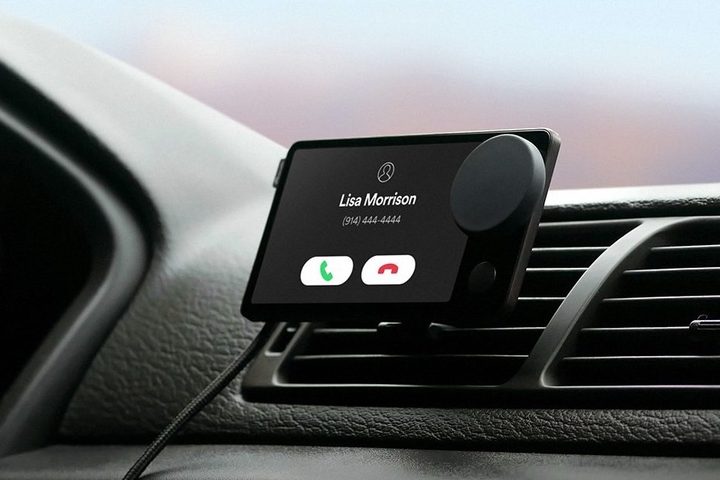
Spotify Car Thing showing an incoming call.
Spotify

In 2021, Spotify started to take Car Thing sign-ups, but with a twist: Only Spotify Premium members could apply to get one, and there was no way to be guaranteed that if you signed up, you’d be admitted to the list of users. But those who did make the cut effectively got the device for free, save for a small shipping charge.

Recommended Videos

Finally, about a year later, in 2022, the company opened up Car Thing sales to anyone, for a one-time price of $90. It followed up that announcement by saying that it would be enhancing the device’s limited utility (it could really only control Spotify, and you still needed your phone with you in order to make it work), by letting it control non-Spotify media, too.

But it looks like Car Thing missed its window for success. Citing both “product demand and supply chain issues,” the company said that it will discontinue the product, a move that will reportedly cost Spotify about $32 million. Existing Car Thing owners will continue to be supported, but the company did not indicate how long that support period might last.

If you don’t mind being a part of a now-defunct product experience, Spotify appears to be selling off its remaining Car Thing units at a discount — $50 instead of its regular $90 price.

Simon Cohen
Former Contributing Editor, A/V
Simon Cohen obsesses over the latest wireless headphones, earbuds, soundbars, and all manner of related devices and…
OnePlus is gone, and Android phones just became more boring in the US
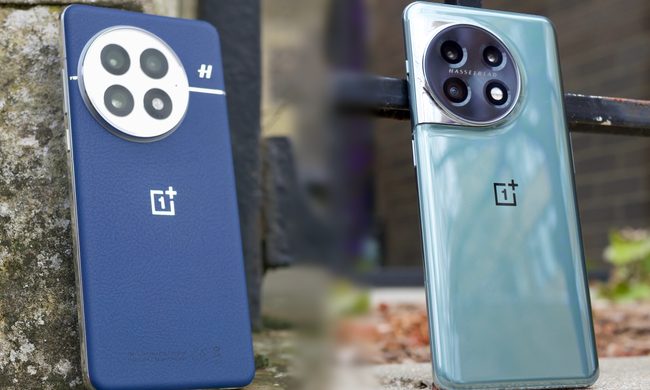
OnePlus 13 vs OnePlus 11.

I wasn't expecting a smartphone brand's exit to hit me this hard, but OnePlus leaving the US and Europe genuinely did. The company has already confirmed that it will no longer launch new products in either market, although existing customers will continue receiving software updates and after-sales support. So while OnePlus isn’t disappearing altogether, it is walking away from two of the biggest smartphone markets in the world.

To be honest, the Android market in the US already feels limited. If you’re shopping for a flagship, your realistic choices almost always begin with Samsung and end with Google. OnePlus was one of the very few brands sitting in between, offering something that didn’t quite look or feel like everything else. And that’s exactly what I’m going to miss.

Read more
A niche iPhone browser quietly fixes my biggest problem with Google Search
Quiche Browser open on iPhone

If there's a new browser, email app, or note-taking app to try, chances are I've already installed it. Like every other productivity nerd, I'm always chasing the perfect setup. That's how I stumbled upon Quiche Browser. It was already close to replacing the Arc Search for me on the iPhone, but its latest update finally pushed it over the edge, earning it a spot as my default browser.

What makes Quiche so good

Read more
Google has to play fair with AI rivals on Android, and that could be good news for your wallet
A new ruling strips Gemini of its exclusive access to deep Android integration, opening the door for cheaper AI models to offer similar functionality for less.
A person using Google Gemini on the Google Pixel 9a.

After forcing Google to open up Android to third-party app stores, the EU is back with a new target, and this time it's Gemini's home-field advantage. The European Commission ordered Google on July 16 to give rival AI apps the same deep access to Android that's currently exclusive to Gemini. The order falls under the EU's Digital Markets Act (DMA), and it directs Google to stop treating its own assistant as a first-class citizen on a platform it controls.

What Google now has to hand over

Read more