The Pixel 7 Pro isn’t really much different from the Pixel 6 Pro when you compare the specification and the design. The two phones could easily be mistaken for being released just a couple of months apart rather than a year apart, so similar are the headline numbers. This means a few people may think the Pixel 7 Pro isn’t a good upgrade, or that Google has lazily pushed out the same phone with a couple of small changes to make some quick bucks.
While it remains to be seen if the Pixel 7 Pro is a worthy upgrade, any perception that Google has been lazy is mistaken. Not changing the Pixel 6 Pro all that much is the very best decision the company could have made, and I’m very pleased to see a phone that on the outside and on the spec sheet, is not some drastic, expensive, and ultimately pointless redesign. That said, there is one important thing that looks like it has been ignored, and it may hurt the Pixel 7 Pro’s long-term success.
Don’t change it, please

The simple reason I consider Google’s “lazy” treatment of the Pixel 7 Pro to be so welcome is the Pixel 6 Pro is the best smartphone the company has ever made. Not being tempted to change the basic design or headline specs is the mature thing to do, and for once there seems to be a focus on building a recognizable smartphone brand, rather than relying on its name to convince the jaded and device-overloaded public to choose a Google phone over any other.
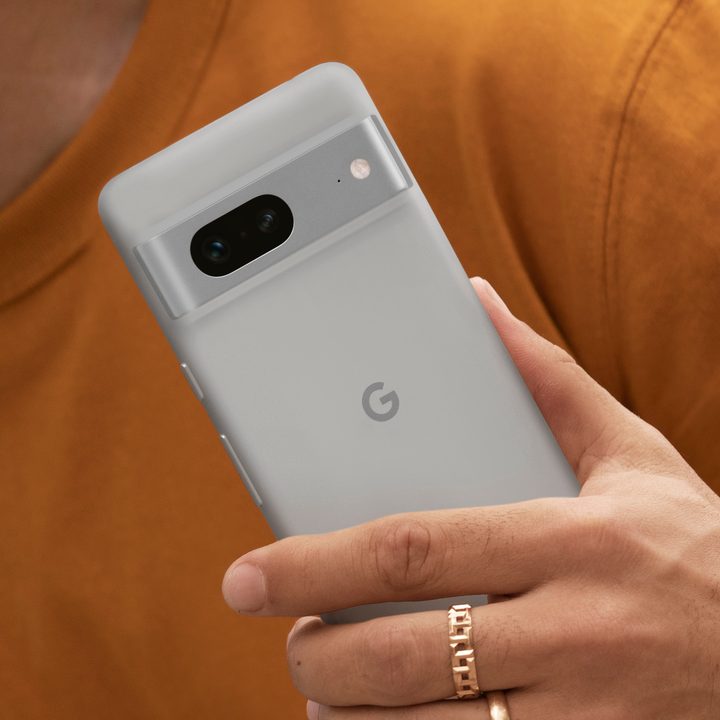
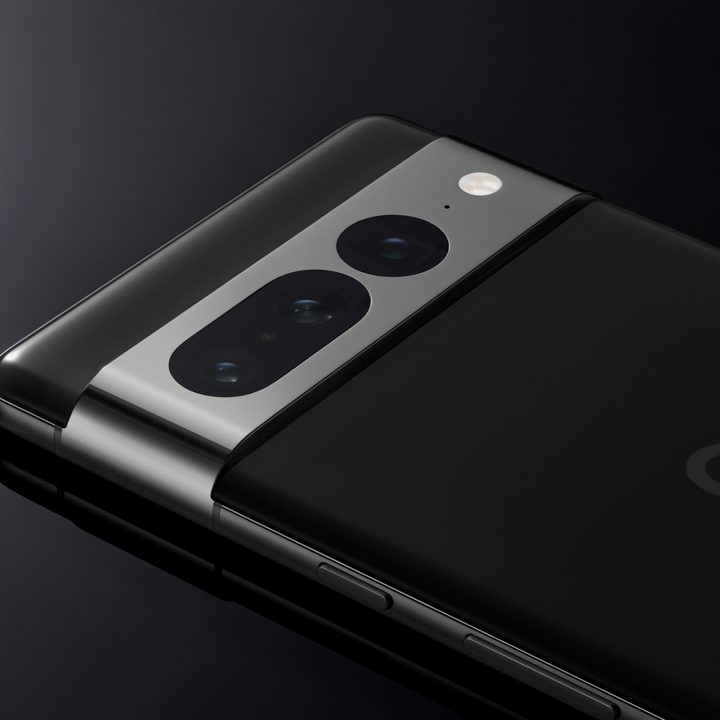
It hit upon a brilliant design with the Pixel 6 and Pixel 6 Pro, with its smooth rear panel, visor-like camera module, eye-catching yet subtle colors, and a choice of screen sizes with either a flat or curved profile. It’s impossible to mistake a Pixel 6 or 6 Pro for any other smartphone, and that’s still a rare feat these days due to ever-expanding product ranges. By contrast, Pixel phones 1-through-5 were so dreary and nondescript in the way they looked, you could easily forget you were even holding one, let alone recognize it at twenty paces.
Google’s decision is one taken straight out of Apple’s tried-and-tested playbook. The iPhone 14 Pro looks very similar to the iPhone 13 Pro and the iPhone 12 Pro, and even borrows the basis of its design from the iPhone 4 and iPhone 5. You know what you’re looking at when you see an iPhone. When Apple eventually changes the iPhone’s design again, it’ll almost certainly stick with it for a few years because it understands the value of having a recognizable brand, and the negative financial hit associated with annually changing up the design.
The Pixel 6 and Pixel 6 Pro were design hits, and there is no point in changing the design just for the sake of it. It’s the opposite. The more Pixels we see around, whether they are Pixel 6 or Pixel 7 series devices, the more people will associate Google’s name with being a great smartphone brand, and the more people may actually buy one of these excellent devices. And seeing the phones in person, as you can do with our Pixel 7 and 7 Pro hands-on, that point becomes even more apparent.
The new/old specification is fine

Is the Pixel 7 Pro an excellent device? After all, the core specification reads very similarly to the Pixel 6 Pro’s, so doesn’t that make it “old?” No, it does not. Let’s be realistic here. A 6.7-inch LTPO OLED screen with a 3120 x 1440 pixel resolution and a 120Hz refresh rate is just as cutting-edge today as it was on the Pixel 6 Pro last year. Realistically, what changes can be made to make it “better?” I’d give you a moment to think about it, but it seems pointless, as there aren’t any.
The weight of the Pixel 7 Pro is about the same as the 6 Pro, as are the overall dimensions, plus again there’s an in-display fingerprint sensor, 5G connectivity, IP68 water and dust resistance, Gorilla Glass Victus, multiple sensors, speakers, and microphones. The cameras all have the same megapixel count as the Pixel 6 Pro, and the only major internal change is the use of the new Tensor 2 processor instead of the Tensor 1. Outside of adding gimmicks, there really isn’t anywhere for Google to dramatically improve the core specs, and like the design, no real need to either.
If you’re wondering why I’m not advocating for more changes over the phone released a year ago, it’s because Google’s expertise is always in the software. All those same specs made the Pixel 6 Pro’s software shine, and the change to the Tensor 2 should highlight a year’s worth of Google’s anticipated software advancements, which is where the Pixel 7 Pro’s magic will almost certainly be found. Previous Pixel phones did the same thing, but it wasn’t until the Pixel 6 Pro that Google got the design right, too.
Why didn’t you change this one thing?
Not deviating far from the 6 Pro’s design or the core specs, and instead loading it with new Google silicon and software, will hopefully make the Pixel 7 Pro another winner. However, the quest to balance same-ness and desirability can be intoxicating and addictive, and there’s one concerning part of the Pixel 7 Pro that makes me fear Google has taken it a little too far.
A 5,000mAh battery powers the Pixel 7 Pro, and there’s 30W fast charging where 50% comes up in 30 minutes. That’s the same as the Pixel 6 and Pixel 6 Pro, which were definitely not battery superstars, and Google is once again claiming “all-day battery life” for the Pixel 7 Pro like it’s a good thing. I hate to break it to you Google, but that’s not good enough, and while I’m happy to advocate not messing with perfectly good screen and security tech, the battery life needed fixing for the new series.
I will happily defend Google’s decision not to mess with the design or pointlessly bump specs.
Not doing so is lazy, and a 50%-in-30-minutes recharge time isn’t fast by today’s standards. Adding an Extreme Battery Saver mode for a claimed 72 hours use time, without certain features including 5G being active, doesn’t cut it either. Seeing the 24 hours of battery life stat for the second year running means the Tensor 2 has not become much more efficient, and that’s disappointing after seeing considerable improvements in this area recently between the Qualcomm Snapdragon 8 Gen 1 and Snapdragon 8+ Gen 1.
I will happily defend Google’s decision not to mess with the design or pointlessly bump specs that are already excellent, primarily so it can concentrate on giving us the very best of its software expertise. But I can’t shout down any arguments that, at the moment, it doesn’t appear Google has put much effort into making the battery last longer. The formula is so nearly right everywhere else, I really hope poor battery and middling charging tech don’t hamper what’s shaping up to otherwise be a brilliant second act in the reinvigorated Pixel line.