  1. Home
  2. Emerging Tech
  3. Mobile
  4. Legacy Archives

SkyLight adapter connects smartphones to any microscope

Add as a preferred source on Google

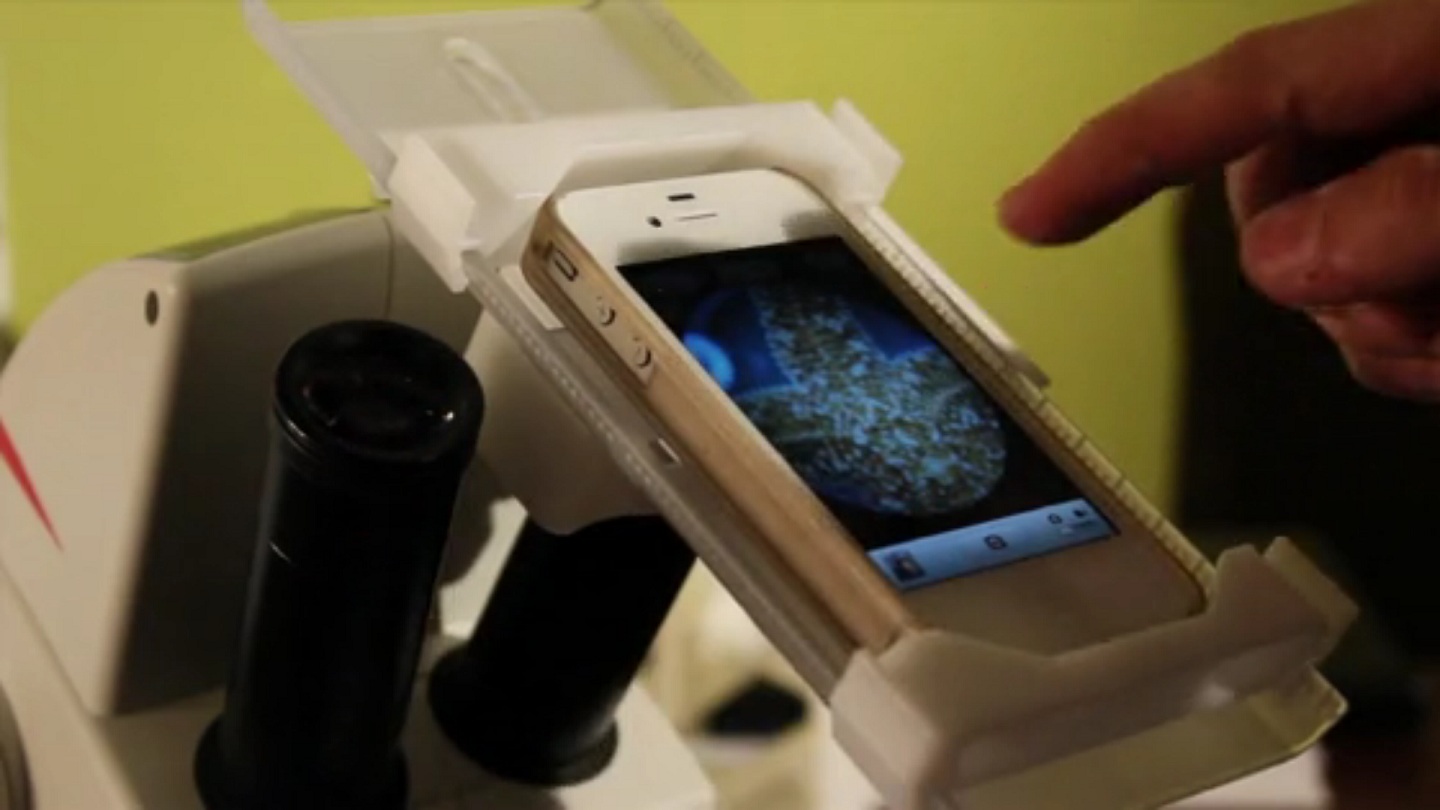
skylightA smartphone accessory named SkyLight, aims to be a low-cost bridge between old and new technology. SkyLight is an adapter for smartphones that supposedly connects to any microscope, and gives the scientific device a digital upgrade using the phone’s camera. The project is currently pursuing funding through Kickstarter.

The SkyLight team consist of Oakland-based engineerAndy and Geologist Tess. Andy came up with the concept for SkyLight while working on a low-cost microscope for countries in need. He decided that, not only was technology scarce in developing countries but so was availability to trained healthcare workers. A noble sentiment shared we’ve seen shared by UC Davis’ Sebastian Wachsmann-Hogiu and his ball lens tweak for the iPhone.

Recommended Videos

However, the SkyLight team points out the singularity of their idea, saying the device “is the first of its kind, as there is no other available device that attaches any smarthpone to any microscope.”
skylight 2
Image used with permission by copyright holder

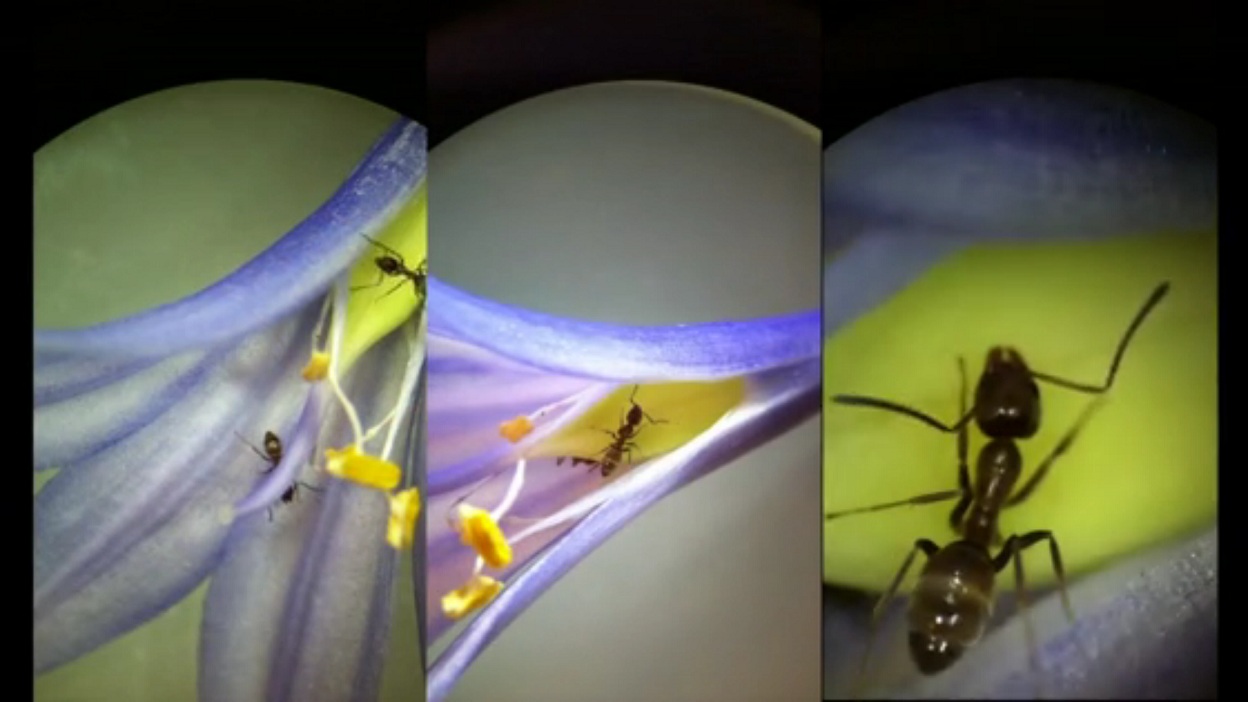
The adapter is light, weighing 4.9 ounces, and is made of various plastics. The SkyLight claims it will snuggle onto any eyepiece between 1.00” and 1.75” and lock in place. The smarthpone, fitted between the adapter’s two clips, is in charge of fine focus using its autofocus. Once calibrated, the smartphone camera can capture photos as well as video which can then be uploaded to the web, or viewed via video-conference software.

The team gave an example of the benefit of this device to, say, health workers in Malawi, Africa using old microscopes from the 80s, who could send send diagnostic images to a doctor hundreds of miles away. Andy says he even used the adapter with a 1960s microscope being used in Costa Rica. The device could also be beneficial in classrooms as a refreshing digital makeover for old government funded microscopes.

The Skylight Kickstarter page is aiming for $15,000 by January 2 of next year, and they have more $11,000 so far. The adapter can be owned starting at a pledge of $60, and for every five SkyLight devices sold one will be donated for global health or education.

Jeff Hughes
Former Digital Trends Contributor
I'm a SF Bay Area-based writer/ninja that loves anything geek, tech, comic, social media or gaming-related.
Your future AR glasses might finally stop making the real world look weird
Researchers have developed a new display technique that keeps virtual objects realistic without dimming the real world.
Samsung AR Glasses

One of the biggest promises of augmented reality is blending digital objects seamlessly into the real world. Ironically, today's AR glasses often make the real world harder to see. Researchers at the Shibaura Institute of Technology (SIT) in Japan, led by Assistant Professor Xiaodan Hu in collaboration with Dr. Yan Zhang and Professor Xubo Yang from Shanghai Jiao Tong University in China, and Professor Kiyoshi Kiyokawa from Japan's Nara Institute of Science and Technology, have developed a new AR display technique that aims to make virtual objects look realistic without reducing visibility of the real world. The study was published in IEEE Transactions on Visualization and Computer Graphics.

The biggest AR problem isn't virtual objects; it's everything around them

Read more
Anti-surveillance clothing is getting cheaper, but don’t expect an invisibility cloak
Affordable shirts now claim to confuse facial recognition, although their protection depends heavily on the camera and software watching you
Chart, Plot, Adult

Anti-surveillance clothing is starting to look less like an art-school experiment and more like something you could actually wear outside. Shirts designed to confuse facial recognition systems now cost about as much as ordinary streetwear, although buying one won’t make you disappear.

The Guardian reports that designers are using face-like prints, unusual cuts and infrared lights to interfere with computer vision. These techniques target specific weaknesses, so their success depends on what happens to be watching you.

Read more
This spinning drone hides in plain sight using a visual illusion
This drone doesn't turn invisible. It tricks your brain into thinking it has.
Phantom Twist

For decades, engineers have chased the dream of an invisible drone. The usual approaches have involved transparent materials, camouflage coatings, or complex optical systems that bend light around an object. Researchers at Northwestern University decided to take a completely different route. Instead of hiding the drone itself, they chose to fool the human eye.

The result is Phantom Twist, an experimental drone that spins so rapidly it almost disappears into the background. It's not technically invisible, but to anyone watching, it looks more like a faint blur than a flying machine.

Read more