

Since 2006, IBM has published an annual end of year forecast called the “Five in Five,” a list of five technological innovations the company thinks will change the way people live and work in the next five years. IBM has now released its 5 in 5 for 2011, and the forecasts contains some doozies — including mind-readying mobile phones.
“Every year IBM predicts the future of technology via the IBM 5 in 5 initiative — our forecast of five innovations that will help transform aspects of modern life, making the planet smarter, within the next five years,” wrote IBM’s Steve Harmon. “We assess not just the availability of a new technology but also the likelihood of its large-scale adoption.”
Imagining 2016
So about those mind-reading phones: IBM forecasts that advances in EKG technology and other sensors will enable devices like smartphones to respond to thought-based commands. Users will be able to place a call just by thinking about it, or control a cursor on a computer screen using their thoughts. Such technology already exists from companies like Emotiv and NeuroSky, often with an emphasis on gaming or as an adaptive technology for individuals who can’t use traditional input devices like keyboards, mice, and joysticks. IBM predicts the technology will begin to move into mainstream gaming and entertainment, especially when combined with bioinformatics systems that can read facial expressions and evaluate levels of concentration and other activities. However, if the technology makes it into smartphones, folks who keep their phones in bed might want to rethink their lifestyles, lest we invent a new word: “dreamdialing.”
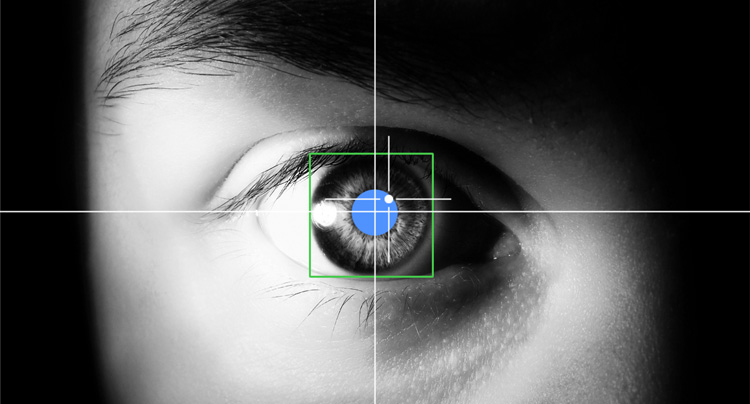 Also on the bioinformatics front, IBM forecasts biometric identification will go mainstream, with users being able to authenticate at ATMs, computers, and other systems simply by walking up and being identified by facial maps, retinal scans, voiceprints, and even through DNA-based scans. Although the technology also has massive potential for eroding what remains of personal privacy, it would also mean people would never have to worry about remembering passwords: Technology would recognize who you are as soon as you start using it. And probably tell advertisers right away.
IBM also sees the digital divide (the worldwide gap between people with access to the Internet and digital technology and those without) narrowing considerably, with developing markets and countries coming online very quickly, mainly through mobile devices. The world population is currently a bit over 7 billion people, but in five years IBM researchers predict 5.6 billion mobile devices being sold — meaning 80 percent of the world’s population would be connected. According to IBM, connectivity increases education, literacy rates, and economic power in developing markets, as well as provides access to services like remote healthcare and mobile commerce.
The study predicts that spam and online advertising will become so highly targeted and relevant, and spam filters so sophisticated, that users may stop thinking about spam entirely. The idea is that marketers will know so much about individuals that they’ll be able to craft “junk mail” messages that are personalized and potentially valuable to recipients. Consumers may actually actively seek out online offers, hoping to find the best deals. At the same time, untargetted mail like today’s spam will simple vanish from view as antispam technologies get better, weeding out junk before it hits people inboxes, social networking feeds, or phones.
Finally, IBM believes that “people power” — generating electricity for portable devices while walking, jogging, riding bikes, and other everyday activities — will enable users to recharge batteries using only kinetic energy. New technology may not only enable users to keep portable devices charged, but also improve the capture and storage of kinetic energy being used to power homes and businesses. For instance, one of IBM’s projects in Ireland is looking to harness ocean wave motion as a power source.
A mixed track record
Of course, one of the dangers of forecasting the future is, eventually, the future comes to pass, and IBM’s track record isn’t too bad there. Back in 2007, IBM forecast mobile phones would become central to user’s lives, including then-unthinkable functions like handling banking, travel, shopping, and being able to snap a picture of something and search the Internet for information about it. The company also predicted that connectivity would be changing the driving experience, including real-time changes to traffic light timing to make traffic flow better, as well as in-vehicle systems that would help users select routes and avoid traffic hassles. Not bad, right?
Of course, IBM also forecast the electrical grid getting smarter and greener (with remote-manageable home appliances — wonder if the


