1. Home
  2. Computing
  3. News

You can finally run Windows 11 natively on an Apple silicon Mac

Add as a preferred source on Google

Apple and Microsoft may be eternal rivals, but that doesn’t mean they never work together. Yet Microsoft has never officially supported the idea of running Windows 11 on an Apple silicon Mac, leaving the practice in something of a gray area — until now.

Installing Windows on a Mac has been pretty straightforward over the years, but the introduction of Apple silicon chips in Apple’s Macs complicated matters a little. Sure, there were ways to do it, but without Microsoft’s official approval, they required workarounds.

The Parallels Desktop Mac app showing Windows running on a MacBook Pro.
Parallels

Now, though, Microsoft has posted a support page explaining how you can pair up its own software with Apple hardware. Specifically, the guide gives the green light for Windows 11 to be run either using a Windows 365 Cloud PC or in a virtual machine like the Parallels Desktop app.

Recommended Videos

Previously, Microsoft had required computers to have a Trusted Platform Module (TPM) in order to run Windows, which not all Macs have. Parallels solved this by creating a virtual TPM, but that’s no longer necessary. Instead, you can just run Parallels as normal and it will run Windows 11 without a hitch.

Years ago, this wouldn’t really have been a problem, as a Mac user could just fire up the Boot Camp app and get their computer to load into Windows. Boot Camp doesn’t work with Apple silicon Macs, though, leaving people to find alternative solutions.

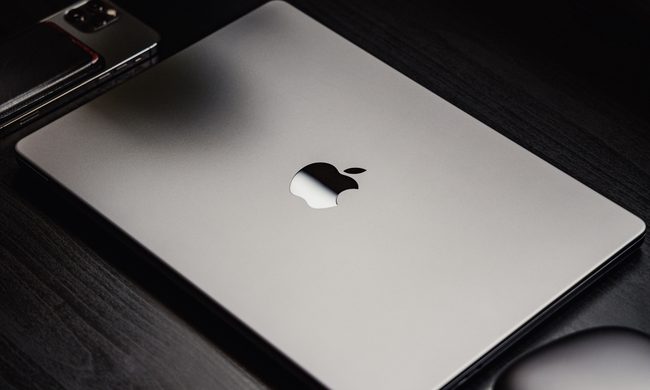
The MacBook Pro on a wooden table.
Digital Trends

One of those solutions was Parallels. This app runs Windows inside its own container on the Mac desktop, which bypasses the need to separately boot into Microsoft’s operating system.

Microsoft’s support page appears to be aimed at business users, as it suggests running Parallels Desktop alongside a copy of Windows 11 Pro or Windows 11 Enterprise. That’s unsurprising, as a major use case of virtualization software is for businesses that have a fleet of computers and need to test software on a different operating system.

Whether you’re a business user or simply want to run Windows 11 on your Mac without relying on any workarounds, this shift from Microsoft will likely be a welcome one. It just goes to show that Apple and Microsoft can play nice together when they want to.

Alex Blake
Alex Blake has been working with Digital Trends since 2019, where he spends most of his time writing about Mac computers…
Apple’s M6 chip isn’t even here yet, but you’ll see M7 Macs early in 2027
Apple is reportedly already accelerating its next-generation silicon roadmap, even before the M6 has launched.
Apple MacBook

The M6 chip is still expected to debut later this year, but Apple may already be preparing for what comes next. According to Mark Gurman's latest report for Bloomberg, the company is aiming to introduce its first M7-powered devices as early as the first half of 2027, hinting at a much faster silicon refresh than many expected.

M7 could arrive alongside new Macs and iPads

Read more
The entry-level MacBook Pro could get a design refresh in 2027, and it’s about time
Five years on the same chassis, and now both tiers of the MacBook Pro are getting a new look at once.
MacBook Pro in space grey sitting on a desk.

Apple has a new MacBook Pro lined up for launch early next year, according to Bloomberg. The company will introduce a 14-inch laptop in the first half of 2027. 

The biggest surprise, however, will be a brand-new design language. The outlet describes it as "a revamped entry-level MacBook Pro, code-named K104."

Read more
Study finds humans will talk to AI ghosts of the dead as reincarnations, and it’s pretty grim
The first AI ghost study is in. The results are about as complicated as you'd expect.
VR Headset, Person, Face

A new study from the University of Colorado Boulder confirms something that sounds both impressive and concerning. People find interacting with AI simulations of their dead loved ones deeply meaningful, and most will come away wanting to do it again.

The researchers call it a "generative ghost," which is a clear reference to generative AI, but I’d still prefer to call it unsettling.

Read more