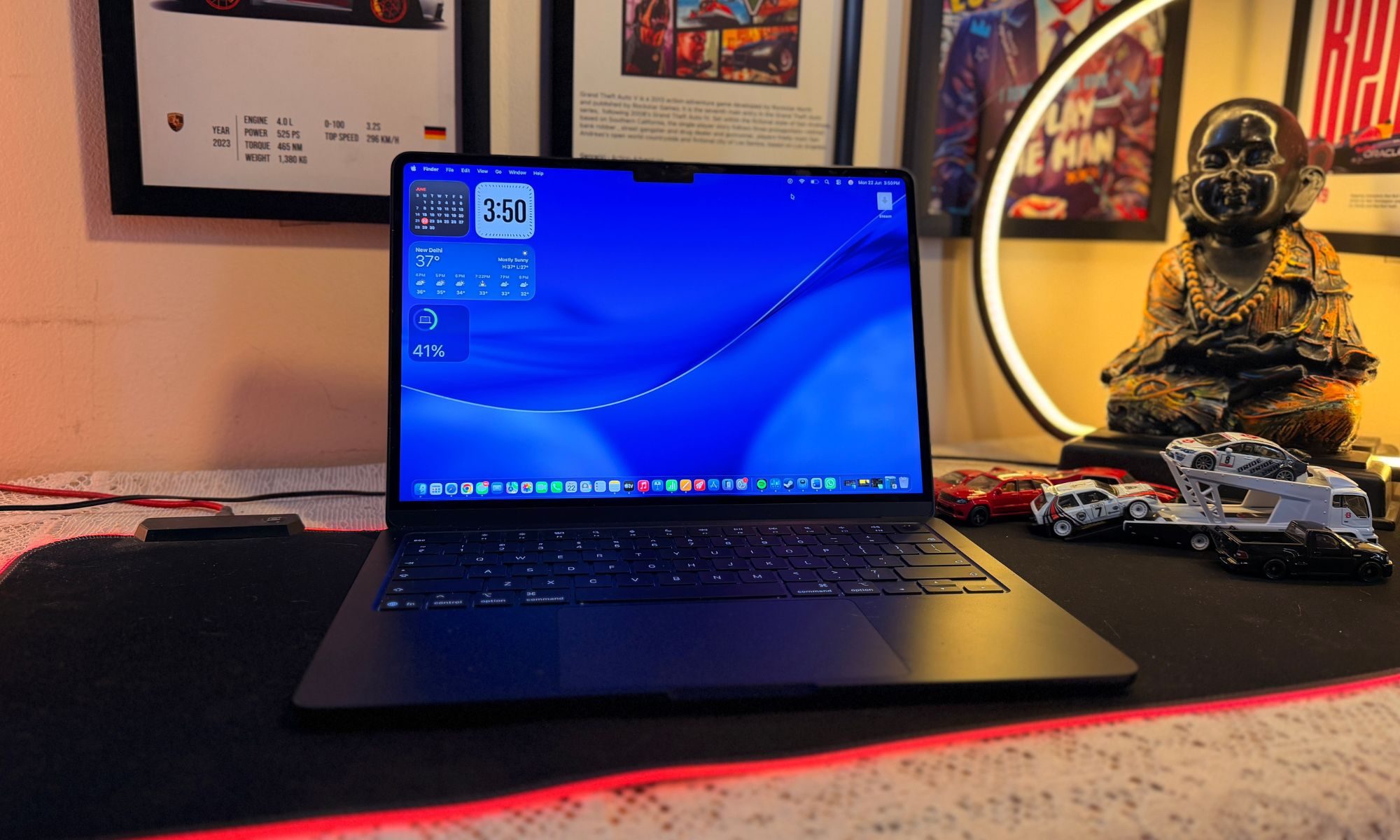
Stable Diffusion is arguably the most popular AI art-generation tool available. It’s fast, intuitive, and produces pretty impressive results. If you’re interested in using Stable Diffusion yourself, though, you should check if your PC is up to spec first, because it can be quite demanding. That goes for anyone trying to use Stable Diffusion on Mac, too.
But Stable Diffusion’s system requirements aren’t as straightforward as games or applications, because there are a few different versions available.
What do you need to run Stable Diffusion?
The system requirements for Stable Diffusion vary dramatically between different forks of the AI tool. In its initial release, Stable Diffusion demanded the following to run effectively:
- 16GB of RAM
- Nvidia graphics card with at least 10GB of VRAM
However, since then many other forks and iterations have appeared which have lowered the system requirements for Stable Diffusion, whilst also opening up new options for those with different, as well as more limited, hardware.
The specs you need to match in order to run Stable Diffusion differ for each fork, but in general, you’ll want a PC with:
- Windows, MacOS, or Linux operating system
- A graphics card with at least 4GB of VRAM
- 12GB or more install space. Ideally an SSD.
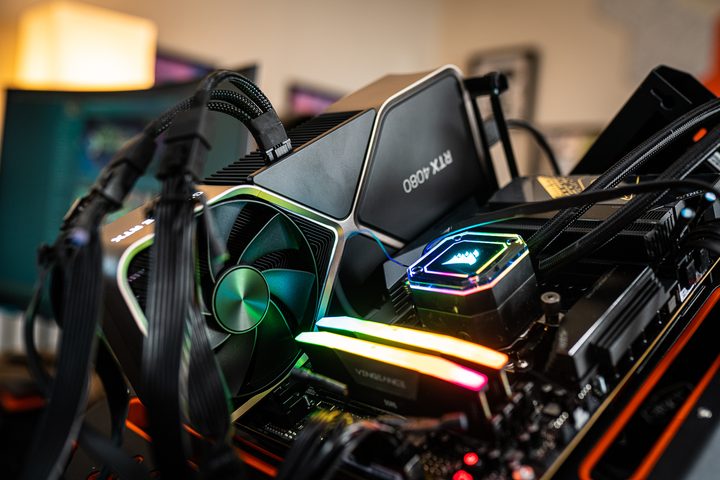
Those are the absolute minimum system requirements for Stable Diffusion. With those sorts of specs, you likely wouldn’t be able to generate an image larger than 512 x 512 pixels, and its quality would be lower than if the AI was run on higher-powered hardware. The best results and the highest resolution images are only possible on some of the best graphics cards, like the Nvidia RTX 3080 with its 10GB of VRAM, or the newer RTX 4080 and 4090, with their 16GB and 24GB of VRAM each.

Does Stable Diffusion work on AMD graphics cards?
Not officially, but there have been some forks created that do support AMD graphics cards. The installation process is more involved, but if you follow the steps in this Reddit thread, you should be able to get Stable Diffusion working on most recent generation AMD graphics cards, though you’ll see far better performance on AMD GPUs with at least 8GB of VRAM.
Does Stable Diffusion work on Intel graphics cards?
Like AMD GPUs, Intel graphics cards are not officially supported by Stable Diffusion. However, there is a fork that does support it. OpenVino supports Intel Arc graphics cards, though it performs better on the higher-end models.
Does Stable Diffusion work on Apple M1 processors?
Yes, though again, you’ll need to use a specific fork designed with this compatibility in mind. InvokeAI is currently one of the most popular with full support for Apple M1 chips. It requires at least 12GB of system memory, and 12GB of install space.
As with the other forks, you’ll be able to generate higher resolution and more precise images with more powerful versions of the M1 chip.
Can you run Stable Diffusion without a GPU?
Yes, and there are a few possible ways of doing so. You can use Stable Diffusion online through DreamStudio, without any kind of hardware requirements at all.
If you want to run Stable Diffusion without a dedicated graphics chip, you’ll have to use one of the forks that have been designed specifically to work with CPUs only. OpenVino is a popular solution and works with both AMD and Intel CPUs, as well as Intel GPUs. It does run far slower than when running on a GPU, with single passes taking several minutes on even powerful CPUs — and you’ll want to do several passes in most cases — but the option is there for those wanting to try out Stable Diffusion without a GPU.