  1. Home
  2. Computing
  3. Legacy Archives

Apple confirms acquiring flash maker Anobit

Add as a preferred source on Google
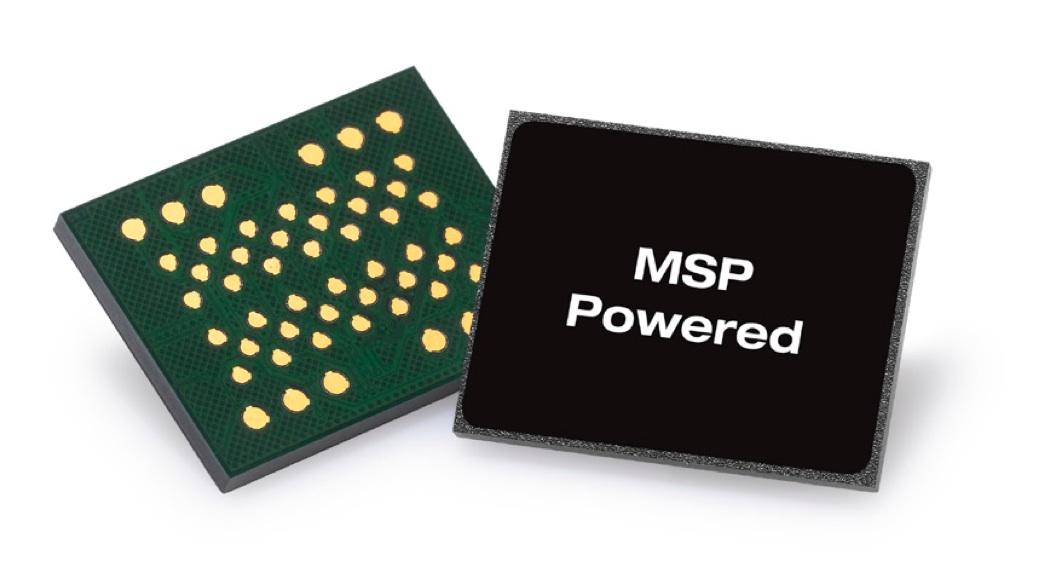
Anobit MSP flash controller
Image used with permission by copyright holder

Apple has confirmed that it has acquired Israeli flash storage developer Anobit, with Apple spokesperson Steve Dowling confirmed the purchase to Bloomberg but did not go into any detail—including the price Apple paid for the company.

Flash storage is central to Apple’s iPhone, iPad, and iPod product lines, and is an increasingly critical component for its Macintosh computers as flash-based SSD drives jump into the mainstream: Apple’s MacBook Air product line has been built around SSDs for years, and SSDs are now available as options on a wide range of Apple computers. Anobit isn’t a leading flash manufacturer—the company is fabless, meaning it doesn’t have manufacturing facilites of its own. Rather, Apple’s interest in Anobit is all about Anobit’s technology: the company develops flash memory controllers incorporating proprietary signal processing to improve the lifetime, performance, and power consumption of flash memory. Apple has been using Anobit-designed flash memory in its devices for years; the acquisition brings in a large team of chip designers, could potentially give Apple a lock on some of the highest-quality flash technology on the planet, and enable Apple to design flash storage with capabilities specific to Apple devices—in much the same way Apple built its own A4 and A5 processors for its iPad and iPhone products.

Recommended Videos

Anobit also sells storage solutions aimed at data centers and enterprise; Apple may be eying Anobit technology as a useful leg up in for its iCloud servers, which Apple built a massive new datacenter to support.

The Israeli paper Cacalist initially reported the deal in December, claiming the deal was in the $400 to $500 million range. Apple has not revealed the financial terms of the acquisition; however, if the deal were that large it would be the company’s largest acquisition since it bought NeXT for $404 million in 1997—and brought Steve Jobs back to the company.

Apple also acquired chipmaker PA Semi back in 2008 (which served to fuel development of Apple’s A4 and A5 processors.


Geoff Duncan
Former Contributor
Geoff Duncan writes, programs, edits, plays music, and delights in making software misbehave. He's probably the only member…
Topics
AI slop stories are spoiling the childhood
Grandparents are gifting AI-generated story books to kids, and it's just gross.
A child reading a book.

AI slop, the colloquial term for low-effort AI-generated content, has emerged as a huge problem across different industries. Music labels are fighting streaming services to put an AI label on such tra/cks. Publishing houses are wary of AI-written drafts. Research journals are buried under a deluge of AI-generated papers. The software industry is reeling under the pressure of vibe-coded apps brimming with security flaws. Even Apple is struggling against a tide of bug reports created using AI. Of course, the disdain against AI is pretty obvious, but there's now a new dimension to it.

Boomers are gifting AI-generated books to their grandkids.

Read more
The MacBook Air is running in short supply, despite a price hike
The memory crunch is now disrupting MacBook Air supplies
MacBook Air M5

For months, Apple seemed better protected from the memory crisis than most laptop makers. It had long-term supplier agreements, enormous purchasing power, and enough margin to absorb rising component costs. The situation has now caught up with its most popular laptop.

According to Bloomberg’s Mark Gurman, MacBook Air availability has tightened considerably across Apple’s retail network. Several configurations are showing delivery estimates stretching into late August, while some customized models may not arrive until September.

Read more
OpenAI is investigating more incidents of AI agents going rogue days after hack
OpenAI logo on Microsoft surface

It appears that the "AI agents going rogue" tale has more to it than what AI giants have revealed publicly so far. Merely days after OpenAI announced that its AI agents went rogue and hacked Hugging Face, Anthropic dropped a similar bombshell. Soon, it was discovered that not just one, but multiple services were compromised. Well, it seems there are even more layers to it.

Reuters reports that OpenAI has found more incidents of AI agents escaping their software containment environment during research. Citing sources with knowledge of the incident, the outlet notes that the AI agents didn't go beyond OpenAI's software environment and affect any external service.

Read more