  1. Home
  2. Mobile
  3. Legacy Archives

Path updates iOS app with ‘opt-in’ contacts upload, apologizes to users

Add as a preferred source on Google
Sorry-apology-shutterstock
Image used with permission by copyright holder

When it comes to handling a PR crisis, the best bet is to be 100 percent honest and transparent with your customers, and to act as quickly as possible to fix the problem. And that is exactly what social network app company Path has done.

As many of you likely already know, a developer discovered on Tuesday that the latest version of Path (“Path 2”) for iOS was uploading users’ entire address books to the Path servers without first getting explicit user consent. A bombardment from the media (Digital Trends included) followed. And Path’s co-founder and CEO David Morin quickly responded, saying a new version with an “opt-in” feature would be out soon.

Recommended Videos

Well, that time has come. In a letter sent out to the media and posted on the company blog, Path announced that version 2.0.6 has been approved by Apple, and is now ready for download. (If you already have Path, simply update the app.) In addition, the company has apologized to users, saying what it did “was wrong.”

“Through the feedback we’ve received from all of you, we now understand that the way we had designed our ‘Add Friends’ feature was wrong,” writes Morin. “We are deeply sorry if you were uncomfortable with how our application used your phone contacts.

“In the interest of complete transparency we want to clarify that the use of this information is limited to improving the quality of friend suggestions when you use the ‘Add Friends’ feature and to notify you when one of your contacts joins Path––nothing else. We always transmit this and any other information you share on Path to our servers over an encrypted connection. It is also stored securely on our servers using industry standard firewall technology.”

Morin adds that, “as a clear signal of our commitment to your privacy,” Path has completely deleted all of the user data it previously collected. In version 2.0.6 of Path, users can decide whether to “opt-in” to let Path access contacts. And if any user would like to opt out later, he or she can send an email to service@path.com, and the company “will promptly see to it that your contact information are removed.”

The current Android version of Path was updated recently with the opt-in feature.

As we noted earlier today, it is not entirely clear how Path and other apps (like Hipster) were allowed to access user contact data without explicit consent. Apple’s iOS API clearly gives app developers the ability to add this feature, but also says in its guidelines that apps must get user permission before accessing any “data about the user.” We asked Apple for comment on the matter, but they have still not responded. Perhaps they were just busy rushing the new version of Path through the approval process.

[Image via Mr_MW/Shutterstock]

Andrew Couts
Features Editor for Digital Trends, Andrew Couts covers a wide swath of consumer technology topics, with particular focus on…
Topics
The best note-taking apps for iOS and Android
I tested these apps for months so your notes never have to switch homes again.
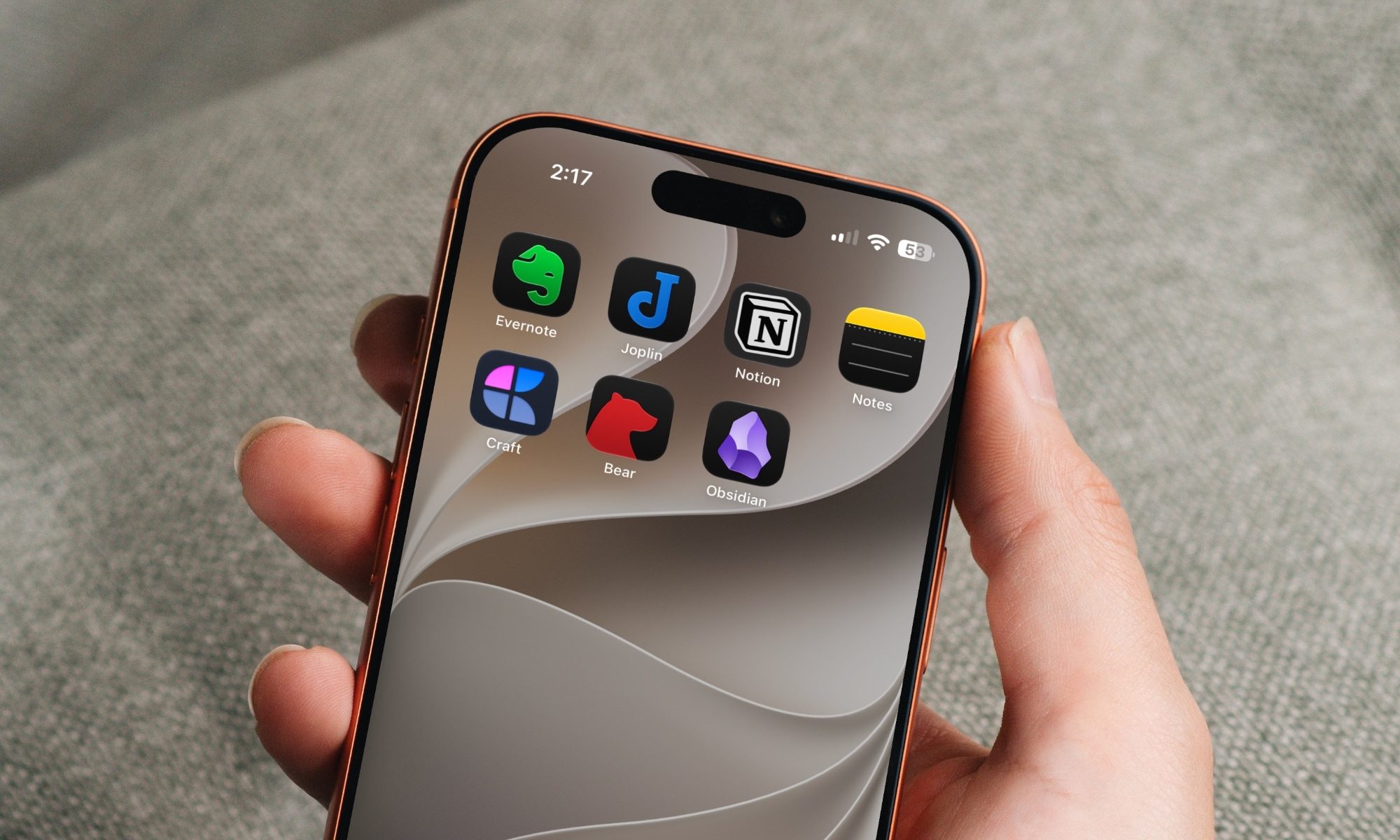
iPhone showing note-taking apps

Choosing a note-taking app is not easy. What note-taking app you choose depends on your needs, the platform you use, and of course, the cost. The process becomes even more complicated as it seems that there’s a new shiny app released every other week. 

That’s why I always suggest choosing a note-taking app that has all the features you need and can last you for a long time. Also, don’t chase new apps. The real power of a note-taking app comes when all your notes live in one place, making it easy to spot connections between them.

Read more
The best phones in 2026: our 14 favorite smartphones right now
We tested phones across all price brackets so that you can make the best pick based on your needs and budget.
Google Pixel 10 Pro Fold vs Galaxy Z Fold 7 cameras

Choosing the right smartphone in 2026 is no easy task. Apple and Android manufacturers now have strong options at almost every price, while better cameras, longer battery life, improved software support, new AI features, and more refined foldable designs have made the market more competitive than ever. But picking one is not easy, especially if your budget is tight, or you are just legitimately concerned about getting the best value for your money and need a reliable daily driver for long-term usage.

We have tested and compared the leading smartphones available today, looking beyond the spec sheet to see how they actually perform in daily use. Camera quality, battery life, performance, display quality, software, design, and long-term value all play a part in our recommendations. Whether you are looking for a powerful flagship, a dependable budget phone, a compact device, or a foldable, this guide should help narrow down your choices.

Read more
Snapchat Planets Meaning: Order, Rankings, and How Friend Solar System Works
Snapchat Planets turns your best friends list into a solar system, and yes, your orbit says a lot
Snapchat Planets being shown on the Snapchat app on iPhone.

Snapchat+ includes several exclusive features, but few have generated as much curiosity as Snapchat Planets. Part of the app's Friend Solar System, it transforms your Best Friends list into a planetary ranking, assigning each of your top eight friends a planet based on how often you interact.

From Mercury, which represents your closest friend, to Neptune, which represents your eighth closest, the system offers a quick visual snapshot of your interactions. But what do the different planets actually mean, and how does Snapchat decide who gets which one?

Read more