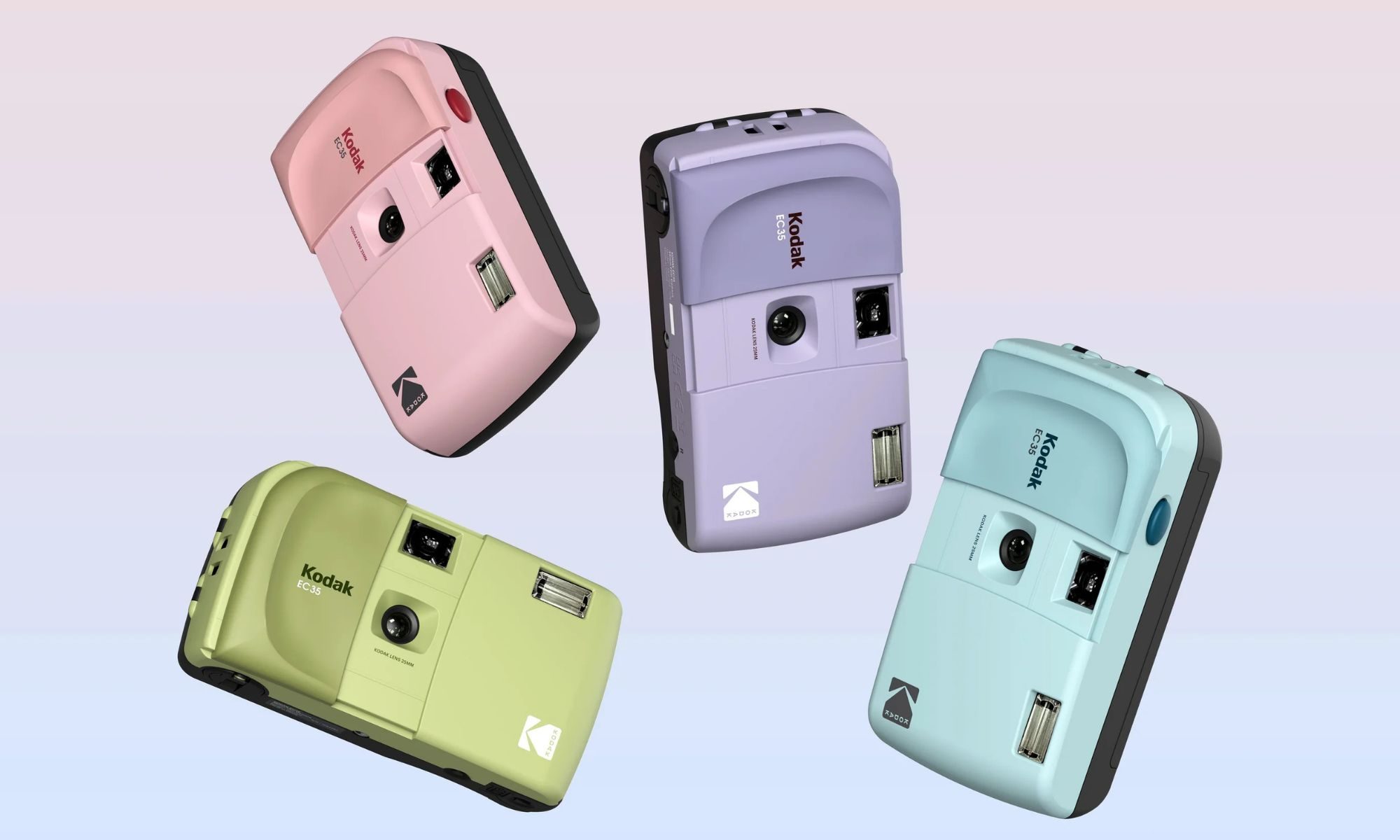
Kodak has announced it plans to stop making digital cameras, camcorders, and digital picture frames, phasing out the products by the middle of the year. The move marks the end of an era for Kodak, taking the company out of the photography business it virtually defined during the 20th century. Kodak is currently in bankruptcy protection; it says it plans to seek out partners to license the Kodak brand for other products, and the company will still offer photo printing, desktop inkjet, and online/software services printers directly to consumers.
“For some time, Kodak’s strategy has been to improve margins in the capture device business by narrowing our participation in terms of product portfolio, geographies, and retail outlets,” said Kodak’s chief marketing officer Pradeep Jotwani, in a statement. “Today’s announcement is the logical extension of that process, given our analysis of the industry trends.”
Kodak says it will work with retailers to ensure a smooth transition, and the company will honor service and warranty agreements for its existing products.
For Kodak, the decision is all about trying to improve the company’s bottom line and create a sustainable business. Kodak has already sold off major segments of its operations, and (after suing the likes of Apple, RIM, and HTC) is looking to sell some of its substantial patent portfolio to raise cash.
Kodak says getting out of the camera business will save as much as $100 million a year, although it will incur a charge of about $30 million to make the change. The company has not said how many jobs it expects to cut.
Kodak was founded by George Eastman all the way back in 1880, and became world-famous for its Brownie and Instamatic cameras that were among the first products to bring photography to everyday people. However, despite literally inventing the digital camera (Kodak engineer Steve Sasson built the first camera to use a CCD at Kodak back in 1975) and building some of the first consumer digital cameras to come to market (Apple’s early QuickTake cameras were built by Kodak), the company had difficulty competing with Japanese camera makers back in the days of film, and never managed to successfully transition its business to digital imaging.