OnePlus teased plans of launching a foldable phone a few weeks ago, and it looks like the brand won’t pull any punches with its first outing.
According to 91Mobiles, the company’s first foldable phone — referred to as the OnePlus V Fold — will carry aggressive camera hardware borrowed from sister company Oppo’s Find X6 flagship. Add in some other impressive specs, and OnePlus’ first foldable is shaping up to be a beast.
The OnePlus V Fold could have a killer camera
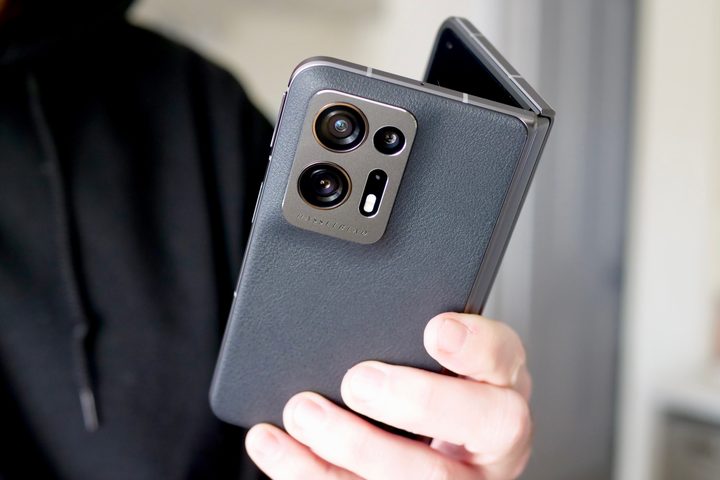
For reference, the Oppo Find X6 offers a 50-megapixel optically stabilized main camera, sitting alongside another 50MP snapper for ultra-wide photography. While that is impressive in itself, OnePlus is trying to leapfrog even the Google Pixel Fold with a periscope-style telephoto camera that has a massive 50MP camera at the back.
However, 91Mobiles’ report says the OnePlus foldable will offer a 32MP telephoto camera instead of the Find X6’s 50MP sensor. Megapixel figures aside, it’s the mechanism here that matters. Every foldable phone out there features a standard telephoto zoom camera that offers a limited optical zoom range.
But phones like the Galaxy S23 Ultra and Pixel 7 Pro pack a periscope-style telephoto camera that bends the incident light at a right angle and passes it through a tunnel before it falls on the sensor. This mechanism allows the lens elements more space for position adjustment, delivering a higher lossless zoom range as a result.
Take, for example, the Oppo Find X6, which delivers up to 120x digital zoom range — even higher than the 100x zoom offered by the camera behemoth that is the Samsung Galaxy S23 Ultra. Assuming the leak indeed turns out to be true, the OnePlus V Fold will be the most powerful foldable phone in the market in terms of camera capabilities.
The only other phone that would stand toe-to-toe with the OnePlus foldable will reportedly be the Oppo Find N3, another foldable phone which serves as the template for the OnePlus V Fold. It is plausible that the Oppo Find N2 successor will be sold in the Asian market while the OnePlus V Fold will get a wider release in the West, including the U.S.
Other leaked specs also impress
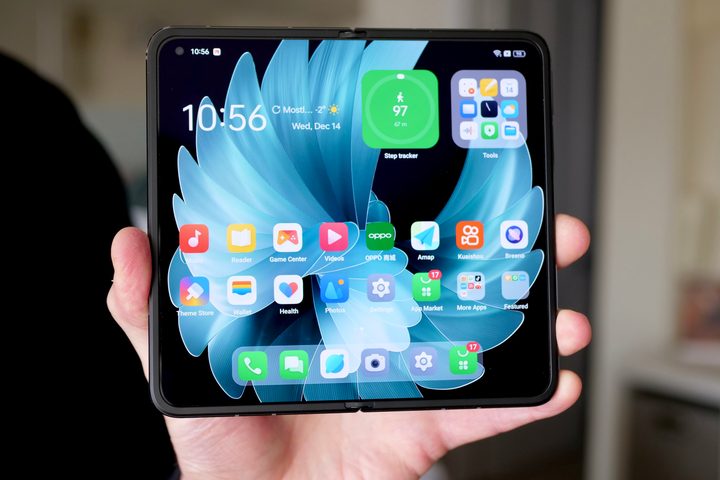
The latest leak also predicts a 20MP selfie camera atop the cover display and a 32MP camera housed inside a hole-punch cutout on the inner foldable screen. Talking about the display, the OnePlus V Fold might serve an 8-inch foldable panel with a 120Hz refresh rate.
Assuming Oppo doesn’t deviate significantly from the Find N2’s design, its successor – and the OnePlus V Fold, by that extension – will go for squarish aesthetics similar to the Google Pixel Fold instead of the portrait symmetry favored by Samsung and Vivo foldable phones.
Lastly, rumors suggest a fairly capable 4,805 mAh battery for the OnePlus V Fold. It will reportedly be out in the second half of 2023, and it looks like OnePlus is going all-out for its inaugural entry in the foldable segment, which already sounds appealing. But it would be interesting to see how much OnePlus is going to charge for the phone
If one goes by the brand’s history of selling top-tier hardware at competitive prices, the OnePlus V Fold is destined to undercut the $1,800 foldable gladiators from Google and Samsung. However, the brand’s recent approach with the likes of the OnePlus 10 Pro and OnePlus 11 are a sign that it wants to duke it out with Samsung and Apple in their high-price arena without cutting any corners.