CES is definitely a laptop show. In previous years, we’d get whole swaths of gaming laptops or laptop manufacturers taking risks with designs. At CES 2024, many of our favorite laptops got redesigned, whether it was slightly tweaking the formula or opting for a radical new direction.
So, ignore all the hubbub about AI and just take a gander at these gorgeous and innovative new laptops, which are the best that CES 2024 has to offer.
HP Spectre x360 14
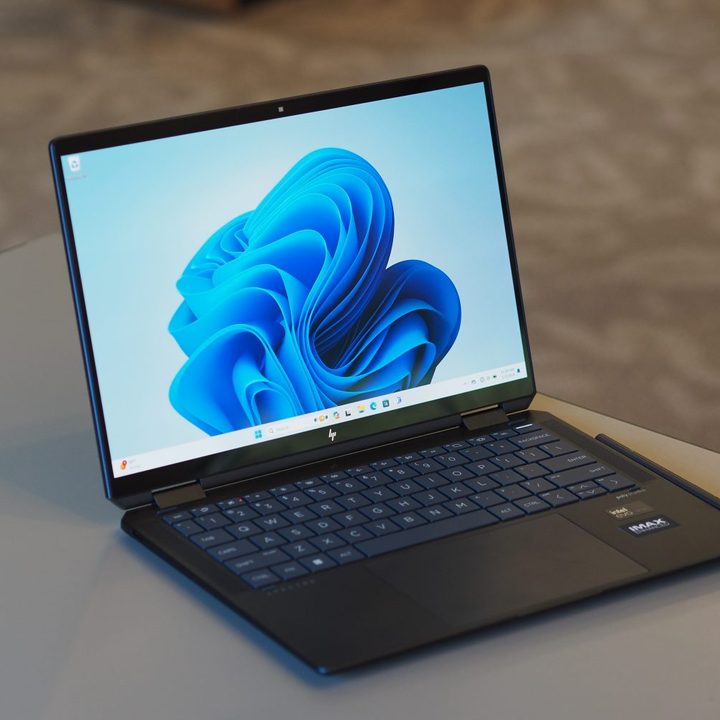
The Spectre x360 has been one of our favorite laptops for a while now. It’s the go-to, premium convertible 2-in-1 on offer, and the refinements this year go a long way. There are new 14-inch and 16-inch models this year, but we got an early look at the Spectre x360 14, which is fantastic. There’s nothing revolutionary here, just small tweaks to the design to modernize and make it stand out, such as the smoothed-out edges, slightly larger keycaps, and haptic feedback trackpad.
More than that, the 120Hz OLED display is excellent, the speakers are highly improved, and the battery life is solid. There’s no discrete GPU option, unfortunately, like on some other 14-inch laptops such as the Dell XPS 14. Still, it’s a very impressive release for a laptop design that’s still going strong.
Lenovo ThinkBook Plus Gen 5 Hybrid


It wouldn’t be CES without something a bit more experimental in the mix. The ThinkBook Plus Gen 5 Hybrid takes the concept of a 2-in-1 and brings it to the next level by offering two separate computers in a single device — one running Android and one running Windows. Of course, on the surface it looks like any other 14-inch Windows laptop, but tear the screen out, and you have a full Android tablet, complete with its own memory, storage, battery, and camera. Despite being 14 inches, the tablet felt light enough to comfortably hold and use in one hand.
You can even use the hybrid drive to access photos you took on the tablet, switch into Android while in laptop mode, run the entire Android system in a window, or even plug the laptop portion into an external monitor while using the tablet separately. The reason such a thing exists, of course, is because Windows 11 still doesn’t take tablets all that seriously and using it with only touch is a pain. The ThinkBook Plus Gen 5 Hybrid is a fascinating solution for that.
Asus ROG Zephyrus G14
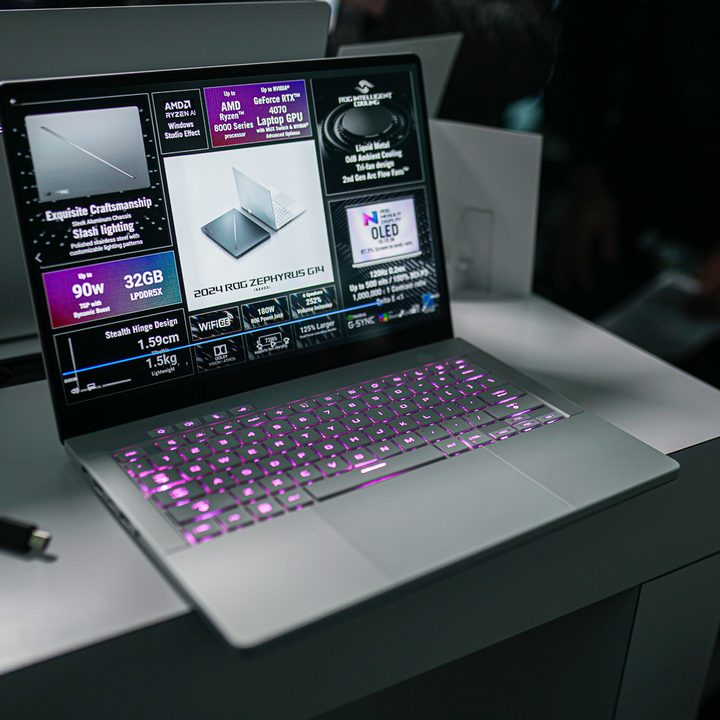
This isn’t a list of gaming laptops, but I can’t help not mention the redesigned ROG Zephyrus G14. The silver color is subtle enough to make this a fantastic crossover device, not unlike the Razer Blade 14. The improvements this year are impossible to deny, making one of our favorite laptops even better. The chassis is slimmed down and modernized, the screen has been bumped up to an OLED panel, and the touchpad has been expanded to fit the full height of the palm rests.
In a year when the Razer Blade 14 didn’t get so many updates, the Zephyrus G14 looks more and more like a true contender, balancing performance and portability in a way we haven’t seen before.
LG Gram Pro
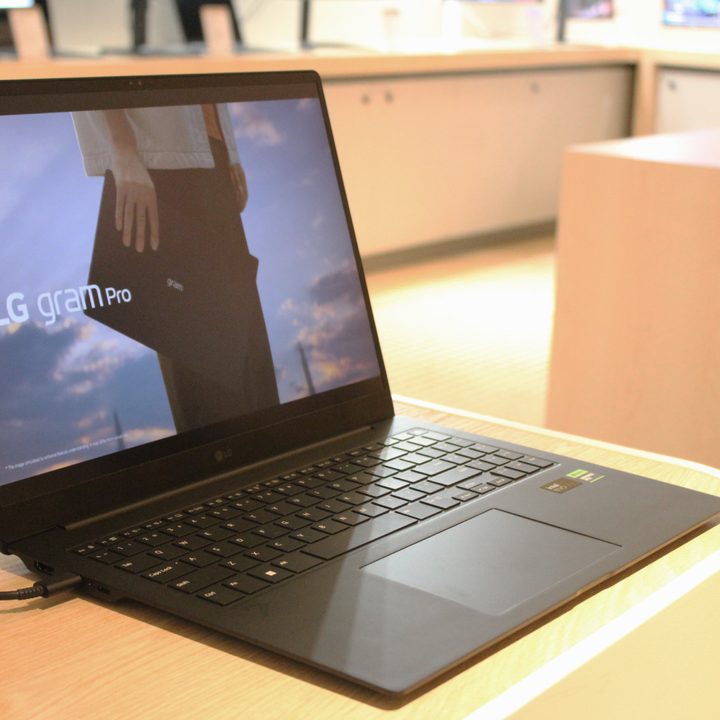
LG announced its new line of updated Gram laptops in December, but showed them off for the first time here at CES. These include the LG Gram Pro, which was the standout to me, most notably because of its inclusion of an option for a discrete GPU. Now, mind you, whether you’re talking about the 16-inch or 17-inch model, it’s only an RTX 3050. That’s an old (and entry-level) GPU at this point. But these laptops are remarkably thin. The 16-inch model is only 0.57 inches thick and weights just 2.9 pounds, which makes it one of the most portable laptops ever made to include an RTX graphics card.
More than that, LG has also upgraded the panel options, offering either 120Hz OLED or 144Hz LED. I might have concerns about the compromises made to build quality to achieve these sizes, but the devices felt a bit more sturdy than in years past. That’s a good sign.
Dell XPS 14
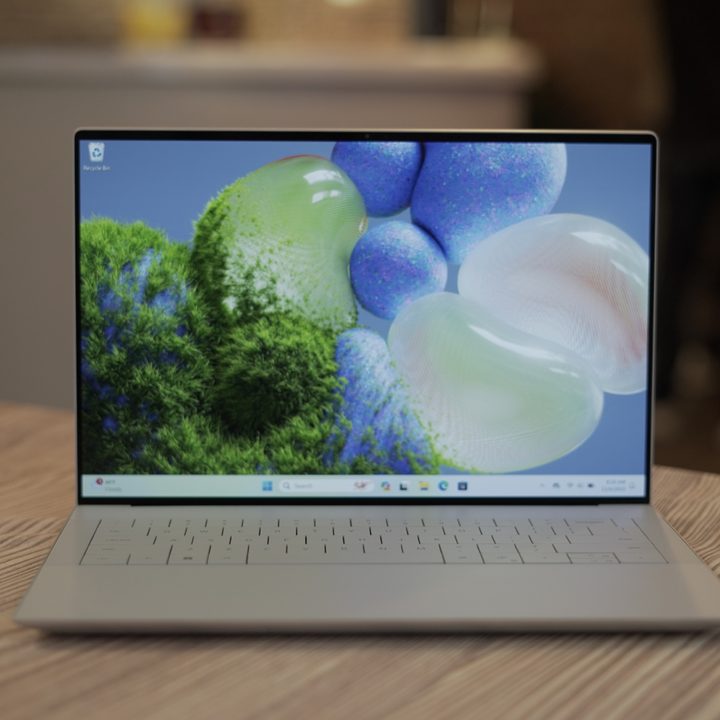
Many people aren’t happy about the refreshed Dell XPS laptops. The controversial changes from the previous XPS 13 Plus have been rolled out across the whole lineup, including the seamless haptic touchpad and the cap touch buttons that replace the function row of keys. People also aren’t happy about the removal of the full-size SD card slot.
On the XPS 16, I think all those complaints are a bit more understandable — especially the problem of the ports. but on the smaller model, the XPS 14, I don’t think those design choices are quite as abrasive. I adore the look of this laptop, and the ability to configure it with discrete RTX graphics could make this is a fairly powerful laptop — and even a decent MacBook Pro 14-inch rival.
Asus Zenbook Duo
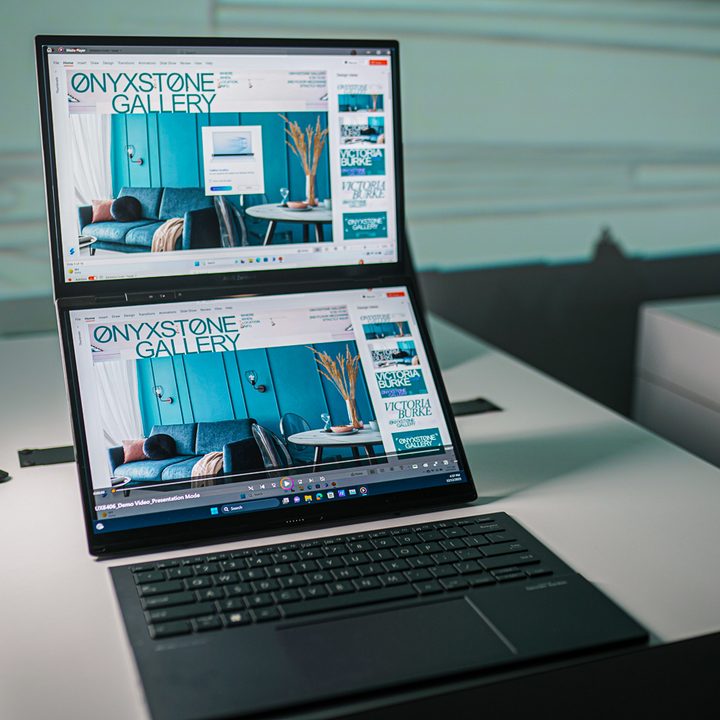
The Zenbook Duo isn’t the first dual-screen laptop — that was the Lenovo Yoga Book 9i. The Zenbook Duo has a couple of advantages over that device though. Rather than use a separate “origami” stand, the built in kickstand it able to do the job of propping up both screens on top of each other. The kickstand can also support the two screens side by side.
The other major change is that the Zenbook Duo has a physical touchpad in addition to the keyboard. That makes the Zenbook Duo a bit more usable as a laptop, allowing you to cover the bottom screen entirely in clamshell mode, or even use the keyboard and touchpad wirelessly — separate from the device. It’s neat, yes — but it’s also a far more practical evolution of these types of device — even if it still feels like a forward-thinking experiment.