  1. Home
  2. Computing
  3. News

A huge barrier just fell for Windows on Arm

Add as a preferred source on Google
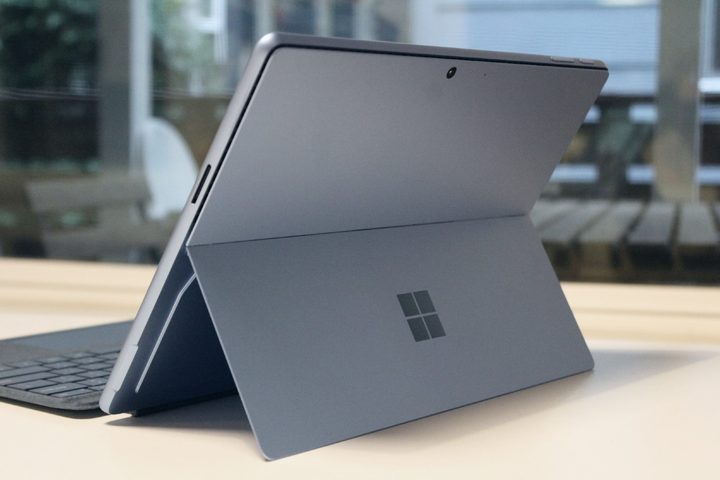
The back of the Surface Pro 9, with the kickstand pulled out.
Mark Coppock / Digital Trends

Windows on Arm hasn’t caught on yet, despite years of effort from Microsoft. One of the biggest issues facing Arm-based processors on Windows has been app support, but one major holdout just opened up support for these CPUs.

Google Chrome has been at the center of the conversation around app support for Windows on Arm, but it appears Google is prepping a native Arm version. The build went live late Thursday night in the Nightly channel for Google Chrome, which is a developer channel that showcases cutting-edge features (and plenty of bugs) for those who want to be on the bleeding edge of what Google Chrome has to offer.

Recommended Videos

Microsoft has offered a native version of its Edge browser for Arm-based machines, but those who prefer Google Chrome were forced to run an emulated version with poor performance. It’s a big deal to see a native Arm version of Chrome considering the browser holds around 65% of the market. That compares to only 5% of market share for Edge.

It’s monumental for Windows on Arm, and a clear statement that Arm-based Windows PCs may become more popular soon. Qualcomm has already revealed its Snapdragon X Elite processors for Windows laptops, which are set to launch this year. In addition, reports show that Nvidia and AMD are prepping Arm-based chips that will launch next year.

The momentum behind Windows on Arm has only grown since Apple introduced its M-series chips. Since ditching Intel, Apple used an Arm design for the processors in Macs that has shown remarkable performance and battery life. The battery life portion is especially important, as we continue to see Windows machines like the Asus ProArt StudioBook 16 that show great performance, but poor battery life.

Considering how many applications run in the browser, native support for Google Chrome on Arm makes the future of these new processors on Windows devices much brighter. The next big holdout is Adobe, which currently only supports native versions of Lightroom and Photoshop on Arm. We expect to see more native versions of apps as Qualcomm’s chips make their way into laptops toward the middle of the year.

Jacob Roach
Former Lead Reporter, PC Hardware
Jacob Roach is the lead reporter for PC hardware at Digital Trends. In addition to covering the latest PC components, from…
I let Radial menu take over my Mac, and I’m never going back
One mouse jiggle, endless shortcuts. My Mac has never felt this fast.
Radial app running on Mac

I have been testing Radial for the past week, and it's quickly become one of those apps I didn’t know how I could live without. It's a radial menu for macOS that puts your shortcuts, scripts, and automations right where your cursor is, so you never have to go hunting through menus to find what you need.

The app just received its 5.0 update, adding AI actions powered by Claude, window layouts, variables, a redesigned settings interface, a new Atmosphere background effect, and a squircle menu shape. I got to try most of these, and here's what I found.

Read more
Android desktop mode made me miss my laptop in record time
I tried writing and publishing from Google’s phone-to-monitor setup, and the future of mobile computing immediately started sweating.
Computer, Electronics, Laptop

Android 17 desktop mode has a very simple pitch. Plug your phone into a monitor, add a keyboard and mouse, and watch the slab in your pocket pretend to be a computer. I wanted to give that pitch a fair shot, so I tried using it for an actual workday instead of a cute demo.

The goal was boring on purpose: write an article, edit it, build the page in WordPress, upload whatever needed uploading, and publish the thing without running back to my laptop like a coward.

Read more
As AI turbocharges digital abuse, UK agencies urge parents to limit who sees kids’ photos online
The National Crime Agency and Internet Watch Foundation are asking parents to tighten privacy settings as AI-generated abuse material rises.
Social Media

Parents who post pictures of their kids online are being told to rethink the habit. The UK's National Crime Agency and the Internet Watch Foundation have issued new guidance urging families to lock down their social media accounts, warning that publicly shared photos are increasingly being pulled and altered by AI tools to create child sexual abuse material.

The two organizations say most parents have no idea this is happening. Criminals no longer need to contact a child directly to generate such material. They can scrape an ordinary photo and run it through widely available nudify apps.

Read more