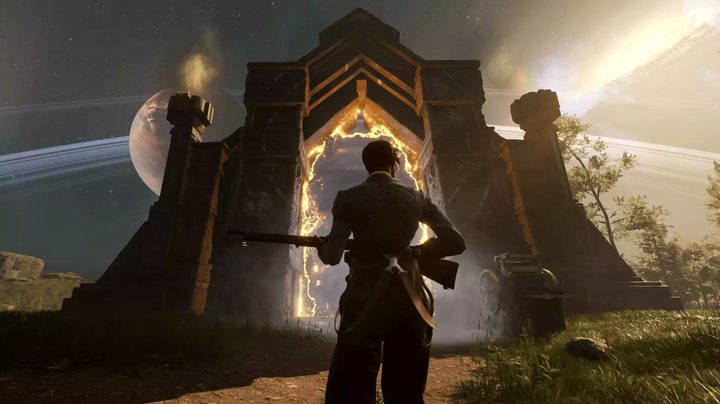
The survival crafting game genre is in the middle of a renaissance. Players have been drawn to mainstays like Minecraft and Terreria for well over a decade at this point, but the last couple of months have seen plenty of new contenders enter the market. Lego Fortnite, Palworld, and Enshrouded all recently launched and became some of the biggest surprise hits in the industry in recent months. Now, Nightingale is launching and aims to ride this genre popularity wave to success.
This fantasy survival crafting game from former Bioware developer Aaryn Flynn has been in development for nearly five and a half years at Inflexion Games. It evolved over time, initially being a cloud-based game before Inflexion split from its former parent company, Improbable, which handed over its stake in the company to Tencent. Now, it’s finally entering early access for the wider public to play — and couldn’t be doing so at a more perfect time.
I recently went hands-on with a pre-launch build of Nightingale and found a survival crafting game that has the potential to be the genre’s next big hit. It doesn’t rock the boat too much at first, but once players can dive deep into its lore, building, and innovative Realm Card system, exploring the Faelands looks like an entertaining experience, especially in multiplayer.
A full tank of gas
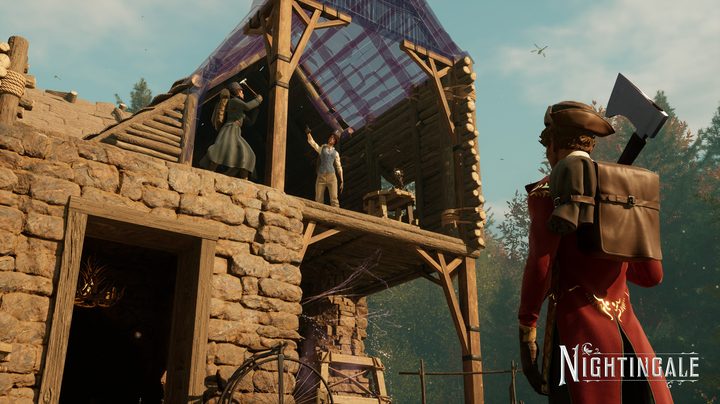
Flynn describes Nightingale as a “gaslamp fantasy” game. It’s set in an alternate history version of 1880s London where fictional characters like King Solomon’s Mines’ Allan Quatermain are real and where humanity’s development was interrupted by a magical race called the Fae. Humanity used that magic to create a vast network of portals that allowed people to travel to various Fae realms, with the nexus being a city called Nightingale. In 1889, a cataclysm called The Pale overtakes the portal network, and it collapses as people try to flee to Nightingale to escape it.
This is where the game picks up for players, as they are unsuccessful in their attempt to reach Nightingale. Tossed into a dark and dreary realm, a mysterious Fae based on Puck from A Midsummer Night’s Dream helps them become a Realmwalker that can activate portals and travel between realms. Nightingale certainly has intriguing lore. If Lego Fortnite’s tie to toys and Palworld’s questionable connection to Pokémon made them appealing to kids, Nightingale’s literary and historical connections will likely speak to well-read adults. The narrative already has some weird colonialist undertones, though hopefully, Inflexion addresses that within the narrative as it goes on.
After about an hour of tutorials, players are let loose into this survival crafting experience. It features all the basics expected from this genre; I had to gather resources like rocks, plant fiber, and wood to build basic shelter and tools, kicking off a gameplay loop that would see me build better tools and weapons over time. There are a lot of survival systems at play, as players have to consistently eat, sleep, heal injuries, and account for debuffs from getting wet in the rain or hot while venturing through the desert. I found Nightingale’s survival systems enjoyable, but the most unique thing about it was the lore until I joined up with a developer for a co-op session and got a taste of later-game building, gear, and exploration.
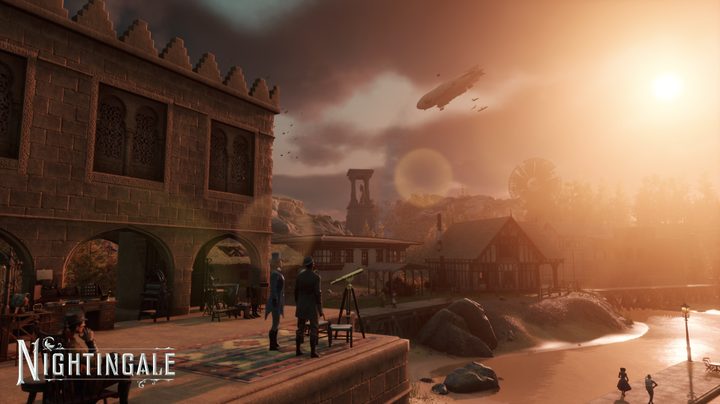
There are lots of tools with multiple uses that players will eventually be able to create. For instance, Nightingale has one of the most satisfying shotguns I’ve used outside of a traditional first-person shooter. A craftable umbrella enables gliding while climbing picks allow players to scale walls, making exploration more fun. The developers built some ornate buildings in various styles, so players who enjoy building in survival games the most will have plenty to engage with here. Some endgame fights against giant monsters also give certain realm adventures a Monster Hunter-like flair as my team prepared our gear, tracked down the creature, and then tried not to die while taking it down.
What stood out most at this late-game point was Nighitngale’s most innovative feature: the Realm Card system. Rather than having one massive world full of various biomes like most survival games, Nightingale splits its worlds into smaller chunks that players create using cards. When activating a device to create a new portal, players choose a Biome card to determine what area it can be — forest, desert, and swamp are available at early access launch — and a Major card that introduces a defining aspect or theme of that realm.
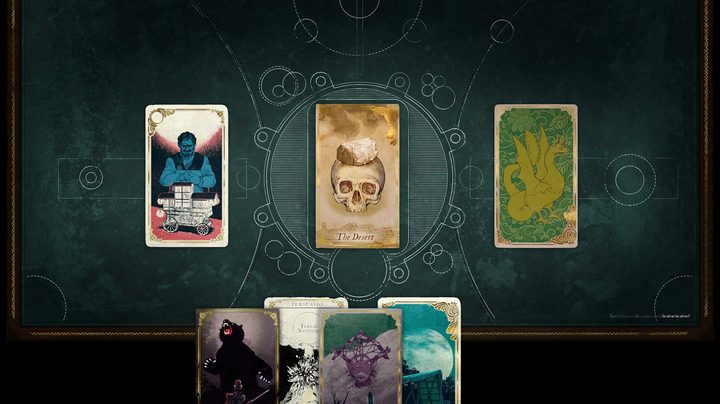
Combined with Nightingale’s procedural generation, this system is meant to make exploring the Fae realms a distinct experience for each player. By completing specific objectives and clearing towers on the game’s map, players can find more cards, including a third type that will further customize a realm. Those Minor cards change aspects of the game’s world. During my playtime, I saw a developer use a Blood Moon minor card to make enemies tougher (and give the realm a gorgeous skybox) and the Thinly Veiled Minor card to decrease gravity and make jumps go much higher.
The idea is that players will have an interconnected series of realms they travel between and build in on their own before going into multiplayer and connecting their realms with their friends. Creating, moving between, and modifying Realms is a much more engaging than just walking from one biome. That, coupled with the unique gaslamp world, are the elements that will allow Nightingale to garner attention when it launches in the middle of this survival crafting renaissance soon.
Nightingale launches into early access on PC on February 20. Flynn expects the early access period for Inflexion’s first game to last around one year and says the team is considering console ports.