  1. Home
  2. Phones
  3. Computing
  4. Mobile
  5. News

Digital Trends may earn a commission when you buy through links on our site. Why trust us?

AT&T reveals cause of Thursday’s massive outage

Add as a preferred source on Google
AT&T's logo.
Chad Morehead/Unsplash

An AT&T service outage that impacted a huge number of its customers across the U.S. on Thursday was not caused by a cyberattack, the company’s initial investigation has revealed.

Instead, the cellular and internet outage was the fault of work that it was carrying out on its systems, AT&T said in a message posted on its website on Thursday evening.

Recommended Videos

“Based on our initial review, we believe that today’s outage was caused by the application and execution of an incorrect process used as we were expanding our network, not a cyberattack,” the company said in the message. “We are continuing our assessment of today’s outage to ensure we keep delivering the service that our customers deserve.”

Earlier in the day, at 3:10 p.m., AT&T said it had managed to restore wireless service to all of its affected customers. “We sincerely apologize … Keeping our customers connected remains our top priority, and we are taking steps to ensure our customers do not experience this again in the future,” the company said.

The FBI said in a widely reported statement that it was “in contact with AT&T” regarding the network outage. “Should we learn of any malicious activity, we will respond accordingly,” it added.

The service disruption began in the early hours of Thursday when AT&T customers started reporting difficulties placing calls, sending texts, and accessing the internet. Early on, the Down Detector site showed more than 32,000 reported outages across AT&T’s network. As more people began their day, the number climbed, with 75,000 outages reported by around 9:15 a.m. ET.

AT&T finally began to turn the situation around later in the morning, reporting at 11:15 a.m. ET that it had restored “three-quarters” of its network. Then, at 3:10 p.m. ET, the company confirmed that it had “restored wireless service to all our affected customers.”

While it’s reassuring to know that the outage doesn’t appear to have been caused by malicious activities, customers will be eager for more details about the incident, as well as information on what action AT&T is planning to take to ensure that it doesn’t happen again.

Trevor Mogg
Contributing Editor
Not so many moons ago, Trevor moved from one tea-loving island nation that drives on the left (Britain) to another (Japan)…
TSMC might set up a price hike that could come straight for your next phone, laptop, or tablet
Here's what TSMC's rumored 10% chip price increase actually means in dollar terms, and why your next phone or laptop could end up costing more.
TSMC Fab

My wallet flinched the second I saw the words "TSMC" and "price increase" in the same headline, and honestly, yours should too.

Turns out the company behind the silicon powering basically every flagship device out there, including Apple’s A-series and Qualcomm’s Snapdragon processors, is reportedly about to make all of it a little pricier.

Read more
Samsung’s free storage doubling for preorders is gone in Austria, and the replacement isn’t as sweet
Samsung's free storage doubling deal might just be history.
The back of the Galaxy Z Fold 7

If you've pre-ordered a Samsung foldable purely for the free storage bump, tomorrow's Unpacked event might sting a little.

For years, pre-ordering a new Galaxy meant automatically getting double the storage at no additional charge. Buy the 128GB model, walk away with 256GB for the same price. The same applied to the 256GB and 512GB models. However, that might change at the upcoming Galaxy Unpacked event. 

Read more
Apple fixes Hide My Email bug that exposed users’ real email addresses
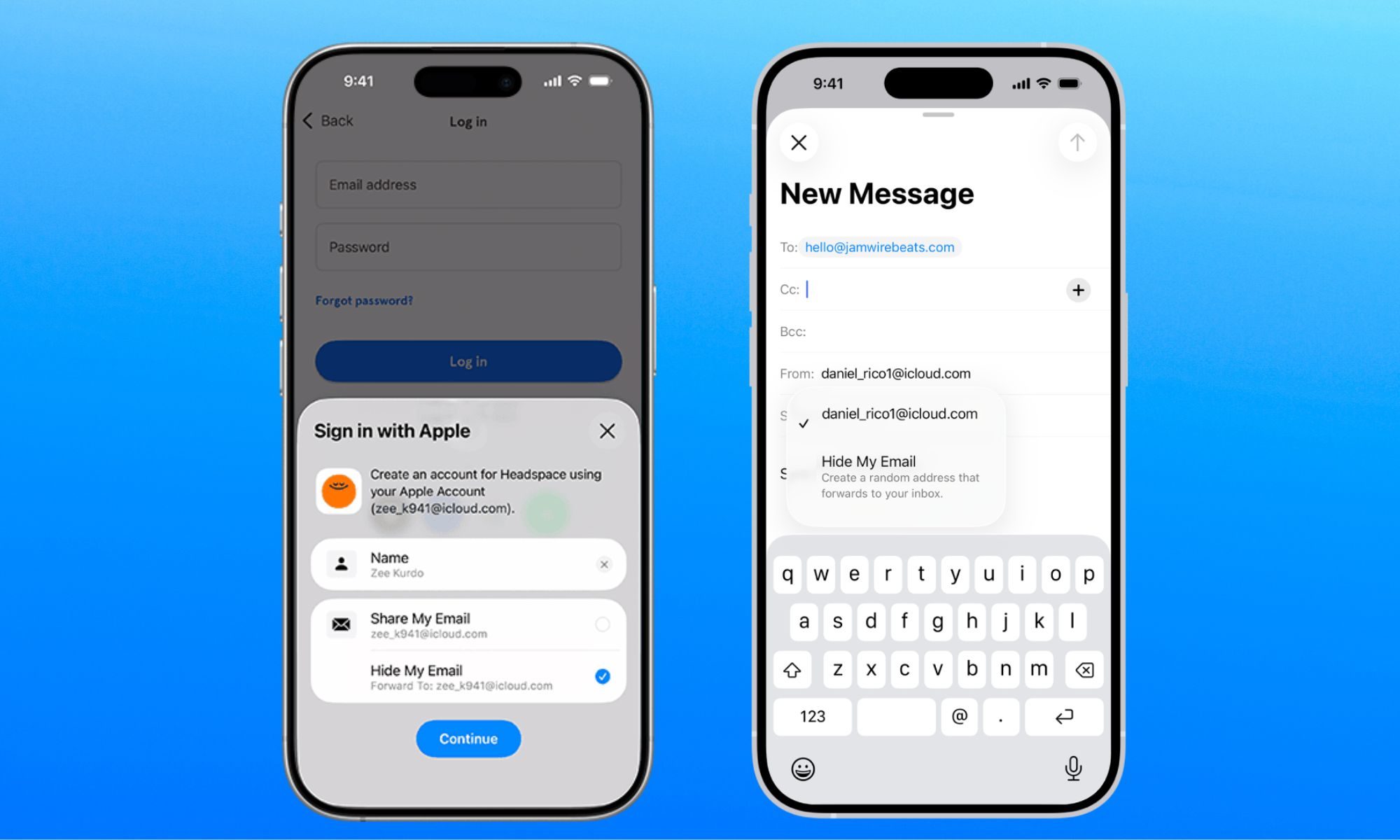
Here's how Apple's Hide My Email flaw leaked real addresses for over a year, and why it only got fixed once the story went public.
apple-merging-sign-in-with-apple-hide-my-email-icloud+

Turns out the "Hide" part of Hide My Email wasn't doing its job quite as advertised, something that I covered early in July. Security researcher Tyler Murphy reported the flaw in June 2025, but despite Apple claiming it was resolved in March 2026, independent tests confirmed it remained exploitable, at least until July 3, 2026.

So how did this bug actually work?

Read more