Over the years, Google has made many attempts at pushing VR and AR ahead, whether it was Google Cardboard, Google Glass, or Google Daydream. All were failed projects, ultimately.
But with the introduction of the Vision Pro and Meta’s recent announcements, there’s never been so much interest in extended reality (XR) headsets and AR glasses. And with the Google I/O developer conference coming this week, there are rumors that Google may make another venture into this technology.
Google’s in the game
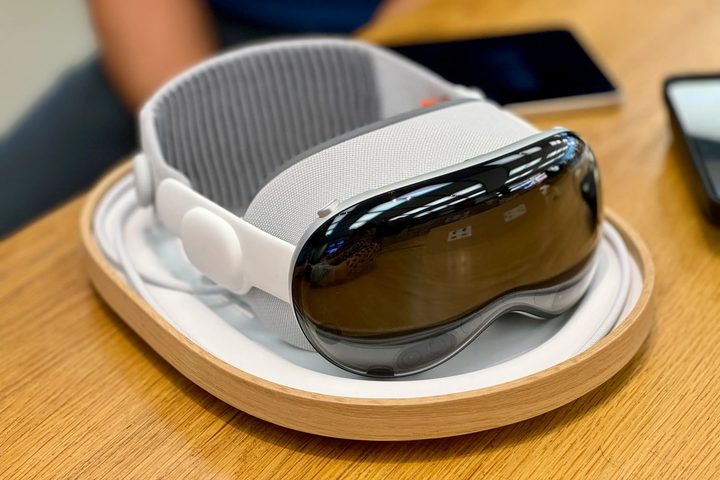
Apple’s launch of the Vision Pro doesn’t necessarily demand a response from Google. It’s a relatively niche device given its high price. But we know Google is in the game based on some recent hints.
Google’s AR and VR account on X (formerly twitter) recently posted that the company would share augmented reality news at Google I/O 2024. Several sessions mention ARCore, the augmented reality software built into many Android devices. Third-party developers can create AR apps with ARCore, and we’re expecting some developments on this front.
Mark your calendars. 🗓️ Join us at #GoogleIO on May 14th to learn about the latest developer products and #AR announcements! Register today: https://t.co/5rPQps7FH0 pic.twitter.com/CgxtarnP5m
— Google AR & VR (@GoogleARVR) April 10, 2024
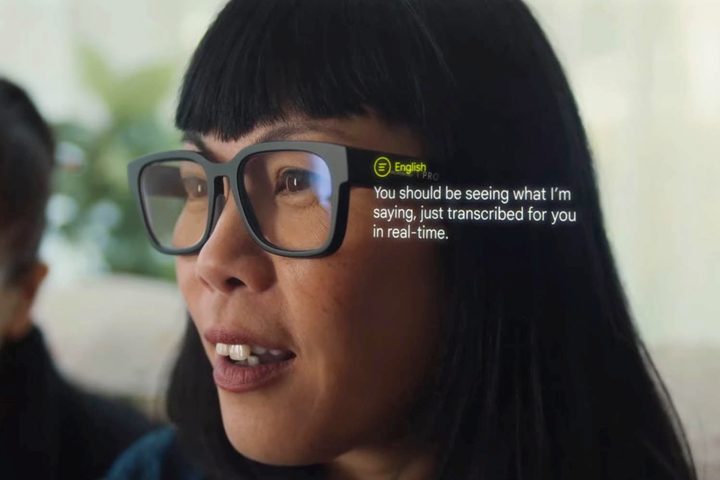
Two years ago at Google I/O 2022, the company showed a video of prototype smart glasses that translate and transcribe languages. It’s possible that we could see some more ambitious demos like this, or an update on one of the existing projects.
There was also talk of an XR headset, but a Business Insider report suggests Google canceled that project. But is it actually dead? Let’s consider what we know so far.
Will Google make an XR headset?
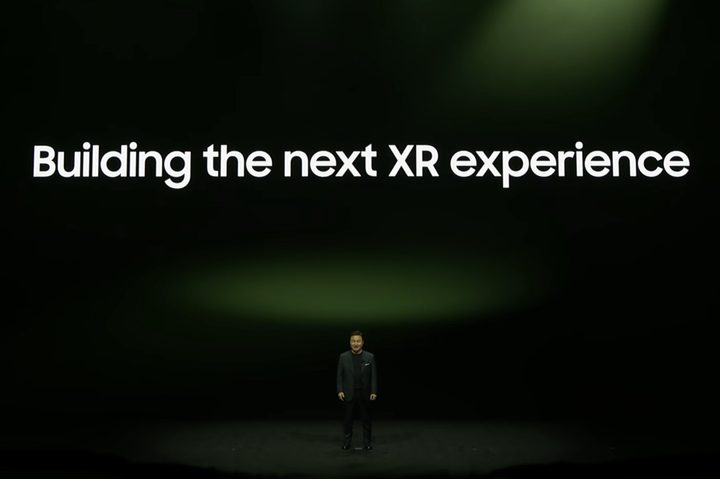
It’s possible that Google will make an XR headset in the future, but the next device powered by Google’s AR and VR technology is more likely to come from Samsung.
Last year at Galaxy Unpacked 2023, Google and Qualcomm executives joined Samsung’s TM Roh onstage to announce plans to build an XR headset. Samsung didn’t reveal any details beyond the collaboration. Still, it was an intriguing teaser timed to arrive before the announcement of the Vision Pro at Apple’s Worldwide Developers Conference.
Google and Samsung each have backgrounds in developing AR and VR products. While the 2015 Google Glass and 2016 Daydream View weren’t popular among consumers, Google took an early lead in the XR space and redirected its efforts toward enterprise customers in 2017. And Samsung partnered with Oculus (now Meta) in 2015 to launch the somewhat successful GearVR headset that used a phone for a screen, tracking. and processing.
Meanwhile, Qualcomm is a leading XR hardware developer that is actively pushing this technology forward. XR encompasses both AR and VR technologies, and Qualcomm’s Snapdragon XR2 and AR chips power the most popular VR headsets and smart glasses, like Meta’s Quest 3 and Ray-Ban Meta Smart Glasses.
A joint development from Samsung, Google, and Qualcomm has the potential to disrupt the industry. Qualcomm can supply XR processors and reference designs to accelerate the process, Samsung could manufacture and distribute the device, and Google could provide software. Whether or not it will come together at I/O is still in the air, but that doesn’t mean we won’t catch a glimpse of it next week.
Android XR
Google develops Android for phones and tablets, along with Wear OS for watches, but neither of those will suffice for an XR headset. To compete with Apple’s Vision Pro, Google needs a new spatial operating system to provide a virtual user interface that hovers in front of the wearer’s eyes and responds to their hand gestures or controller input.
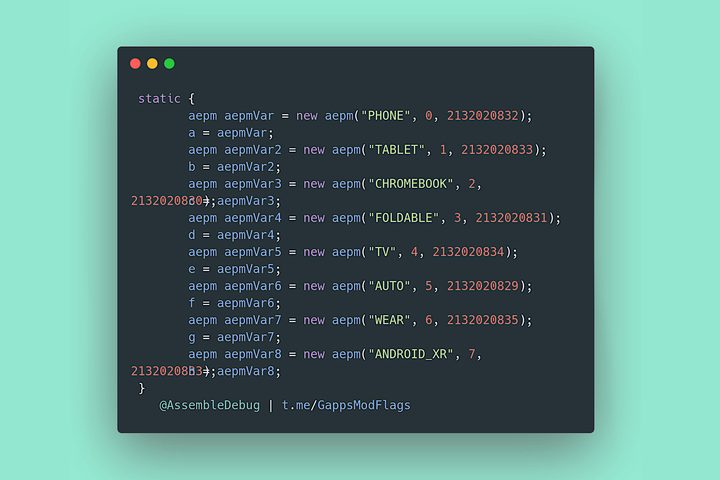
We know Android XR is a real product since that designation appears in the code of Google’s Play Store, alongside similar references to a phone, foldable, tablet, TV, and more. A blog named TheSPAndroid uncovered these details in September of last year.
Android XR might also include features optimized for AR glasses based on the research that preceded Google Glass. With over a decade of developing AR apps and prototypes, it certainly seems possible that Google has the resources needed to launch a thoughtful spatial user interface.
Meanwhile, Meta announced plans to open-source Horizon OS, the core software of the popular Quest 3 VR headset. Lenovo, Asus, and Microsoft are already working with Meta to create new headsets that can run games and apps from the Quest library.
The lines have been drawn for a diverse marketplace featuring concepts from most major tech companies. Apple has visionOS and Meta is expanding the range of Horizon OS, while Google and Samsung prepare to launch a solution championing Android XR. It’s an exciting time for spatial computing, especially if Android XR makes its debut this year.
Android XR at Google I/O
The recent explosion of activity suggests now is the right time for Google to expand beyond the ARCore framework. I wouldn’t be surprised if Google announces Android XR — a complete platform for VR, AR, and spatial computing — at Google I/O,.
Developers are already building apps for Apple and Meta headsets. Google needs to take advantage of this momentum to make sure apps and services will support Android XR.
The good news is that Samsung’s XR headset should be able to run several Android apps at launch. Since Qualcomm’s Snapdragon XR2 platform is compatible with Snapdragon mobile processors, porting apps to Android XR could be relatively easy.
This would be comparable to the Apple Vision Pro’s ability to run iPad apps. While 2D windows floating in a 3D space isn’t the best use of an XR headset, it works and feels familiar. An Android XR headset that syncs with your Android phone and tablet, as well as your Wear OS watch and Chromebook, would be a compelling solution.
With a few impressive immersive environments and fun mixed-reality games, Google could secure its place as technology begins to make the intuitive, holographic, AI-enhanced computer interfaces of sci-fi movies a reality.
We’ll have to wait and see if Google actually makes I/O the launch event for its renewed interest in XR and AR.