  1. Home
  2. Cars
  3. Features

Digital Trends may earn a commission when you buy through links on our site. Why trust us?

Want to lease an EV? The Hyundai Ioniq 5 is incredibly cheap right now

Add as a preferred source on Google
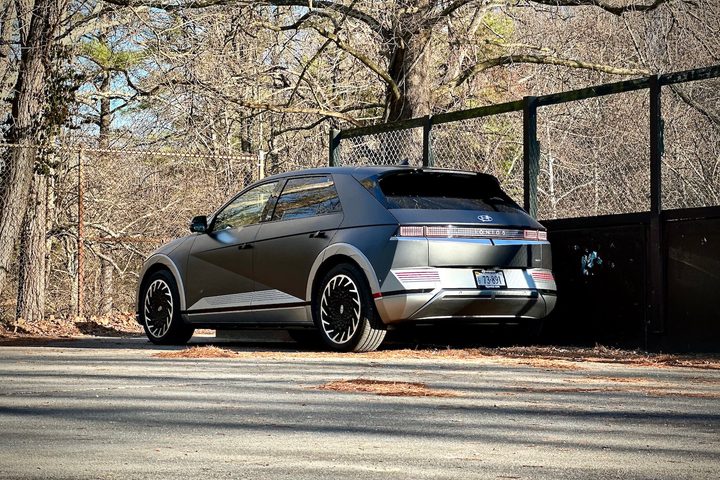
2022 Hyundai Ioniq 5 Limited AWD rear end side profile from driver's side with trees and a metal fence in the back.
Joel Patel / Digital Trends

The Hyundai Ioniq 5 has long been one of the most-loved electric vehicles, thanks to its unique and sleek design, solid range and charging speed, and reasonable price. But, it turns out, that price is even more reasonable than you might think — if you’re willing to lease it.

Current offers

Hyundai has been very aggressive in trying to get Ioniq 5 units into the hands of customers, and at the time of this writing, you could lease the vehicle for as little as $219 per month for 36 months, with $3,486.45 due at signing. Over the 36 months, that equates to around $315.85 per month. Not bad at all. That’s for the Ioniq 5 SE, which is the entry-level model.

Recommended Videos

To be fair, this particular lease deal expires on July 1, which is the day of writing this piece. However, it’s not alone — and as mentioned, Hyundai has been pretty consistent in offering the Ioniq 5 at incredibly low prices. As Electrek points out, this lease price is a lower price than the lease price for the Nissan Versa, which is the cheapest car in America to buy.
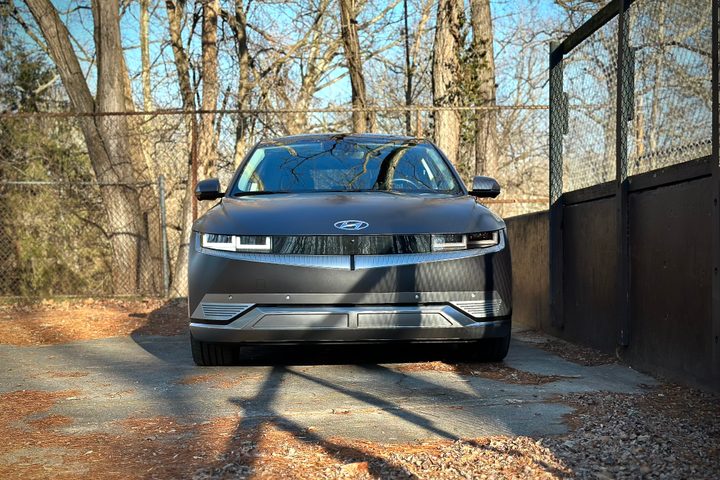
2022 Hyundai Ioniq 5 Limited AWD close up of front end with trees in the back.
Joel Patel / Digital Trends

Even the Ioniq 5 SEL was available at a very reasonable lease price. Hyundai was offering the vehicle for $229 per month for 24 months, with $3,499 due at the signing of the lease. The total payment when you factor in the initial payment comes to only $374.80 per month — and for some it may be worth it considering the fact that the SEL model has a longer range and some more premium features.

Should you lease?

Of course, to get these offers, you’ll have to be willing to lease the vehicle — and not everyone will be willing to do so.

However, leasing cars has become more popular over the past few years, and it does make sense. Electric vehicles are improving relatively quickly, and new models are being released on a regular basis. The average age of a car or light truck on the road in the U.S. is 12.6 years according to data from S&P Global Mobility, which is a record. But not everyone wants to keep a car for that long — instead wanting to trade-in for a new model every few years. That’s where leasing can come in handy — not to mention the fact that leasing usually makes for lower monthly payments.

However, there’s still something to be said for vehicle ownership. Ownership may mean higher monthly payments, but those monthly payments eventually end. When you lease car after car, payments go on forever. Not only that, but leases usually specify a number of miles that you’re allowed to drive — and if you go over that figure, you can end up spending a lot.

Not everyone should lease — but if you are interested in leasing an EV, the Ioniq 5 is easily worth it, considering the lease prices available for the vehicle right now.

Christian de Looper
Christian de Looper is a long-time freelance writer who has covered every facet of the consumer tech and electric vehicle…
Two Indian automakers just beat Tesla at the one thing you’d expect it to own
Two Indian automakers, Tata Motors and Mahindra, just topped a global EV efficiency ranking ahead of Tesla and BYD.
Car, Suv, Transportation

I'll admit, Tesla topping an efficiency ranking felt like a foregone conclusion until I actually saw the numbers. Turns out two Indian automakers just embarrassed both Tesla and the world's biggest EV maker at their own game. 

The first time I read the report, I couldn’t believe it, and I’ve been following the Indian automobile industry for a couple of years now.  

Read more
BYD’s new Racco is Japan’s first electric kei car with over 300 km range
The Racco also undercuts Nissan's Sakura on price before taxes and incentives, which packing in features rarely seen in the kei car segment.
BYD Racco

BYD has entered the Japanese kei car market with the Racco, an electric car built specifically for the country's compact car segment. Its top trim delivers 320 km of range, making it the first compact electric car in the market to pass 300 km, according to ITHome.

Kei cars are a Japanese vehicle class with strict size and power limits, and the segment has long been dominated by domestic automakers such as Honda, Nissan, Suzuki, and Daihatsu. The Racco is BYD's first attempt to compete in that space.

Read more
Xiaomi’s sleek seven-seater SkyNomad EREV gets a specs reveal. It’s a template US carmakers must desperately follow
Xiaomi made a sedan first. Now it's coming for your family SUV too.
Skynomad

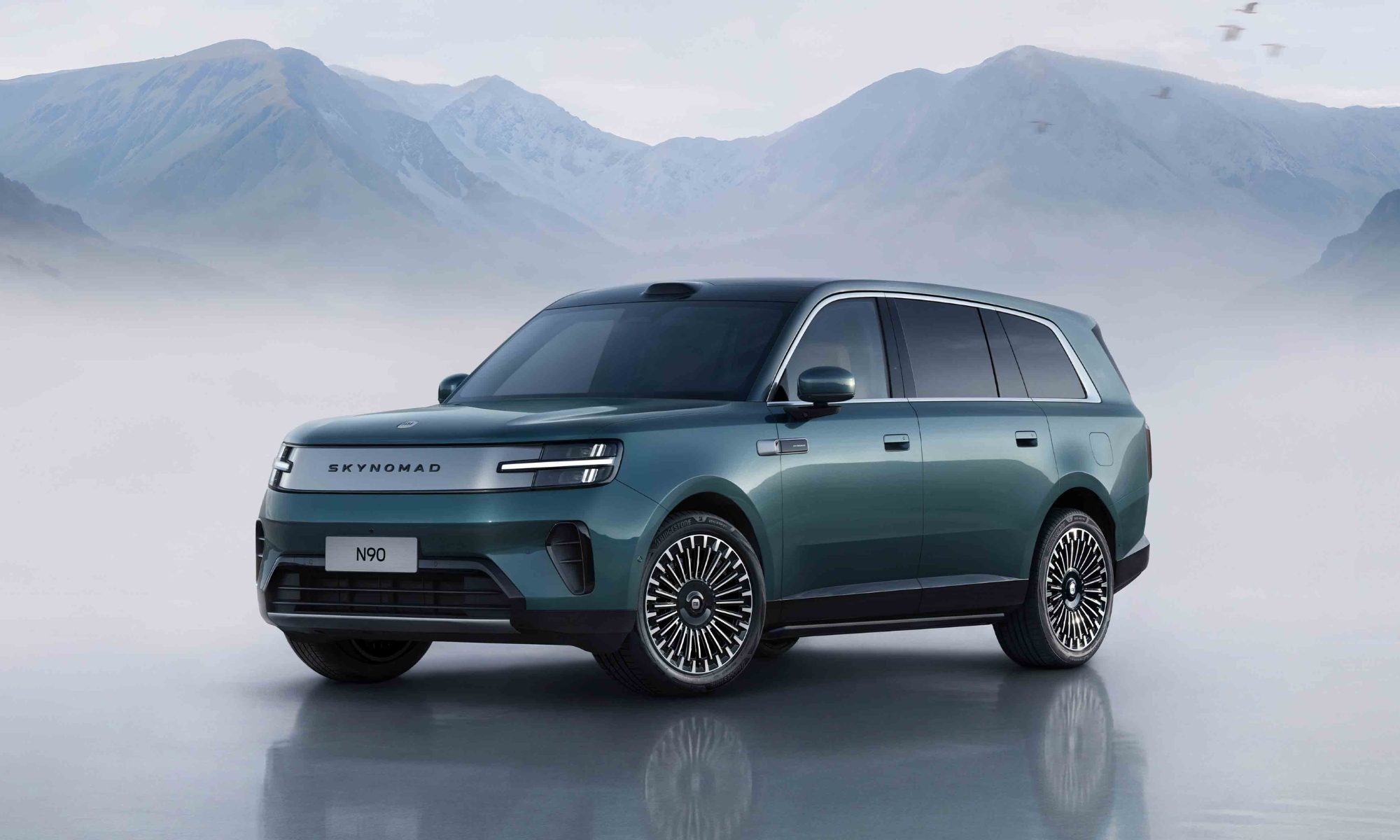
When Xiaomi entered the automotive industry, it did so with the all-electric SU7 sedan, then expanded into SUVs with the YU7. Its next move is taking the company into one of China's fastest-growing vehicle segments: extended-range electric SUVs (EREVs). Ahead of a technical presentation on July 30, Xiaomi has shared fresh details about its upcoming SkyNomad lineup via its Weibo channel, first spotted by CarNewsChina, revealing the new Kunlun range extender, fuel economy figures and testing progress.

At first glance, the SkyNomad N90's upright silhouette, squared-off proportions and premium detailing inevitably draw comparisons with the Range Rover. But mechanically, Xiaomi appears to be targeting a very different group of rivals. The company is entering a market currently dominated by Chinese brands such as Li Auto and Huawei-backed Aito, both of which have built successful businesses around extended-range SUVs that combine electric driving with the convenience of a gasoline-powered range extender.

Read more