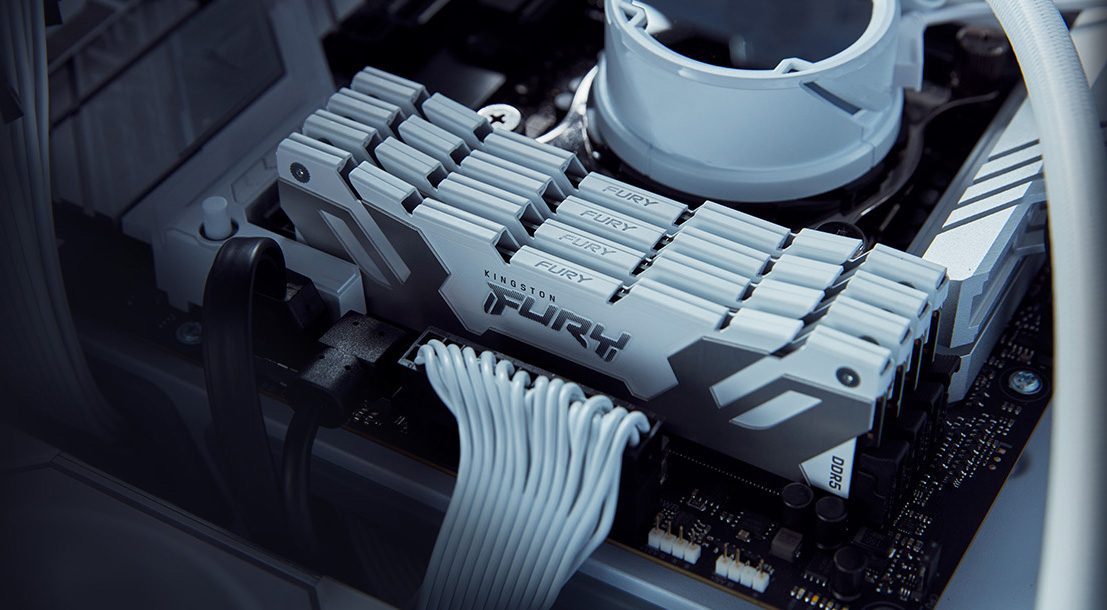
If you're having PC memory issues, you might assume clearing your RAM's cache might sound like it'll make your PC run faster. But be careful, because it can actually slow it down and is unlikely to fix whatever PC problem you're troubleshooting.
You can do it if you want to (and we'll show you how, below), but it's not something we recommend.
But if you think you have a legitimate reason, here's how to clear your RAM cache.
Why you shouldn't clear your RAM cache
Clearing your RAM cache is usually touted as a solution for not having enough memory on hand for the application(s) you're trying to run, leading to poor performance. But that really misunderstands how RAM actually works.
Free memory is wasted memory, right? That's why it's important you only buy or build a PC that has the amount of memory you need and not much more. It just doesn't do much when it isn't in use.
But it doesn't do nothing. To make use of that RAM, Windows, macOS, and other operating systems will load recently used or frequently used application data into your memory, so it's more readily available. This "cache" means that those apps start up faster, as opposed to your system having to grab the data from the comparatively slower storage. If your PC needs that memory for a new task that you're running, it'll just dump that cache and reallocate the memory for the task at hand. It doesn't need manually clearing first.
Indeed, manually clearing your cache will dump the data that's been preloaded, potentially making those frequently used applications run slower when you next need their data.
How to clear your RAM cache
If you really need to clear your RAM cache, then the best way to do it is just to restart your PC. Any time your PC is powered down, the data stored in the RAM is erased, since RAM is a volatile form of storage.
Reboot it, and you'll have a fresh set of RAM, ready to use.
If that fixed your problem, great! Just reboot when it comes up again. If you'd rather have a more permanent solution to the problem, though, try some of the tips below.
How to prevent RAM from filling up
If your RAM is frequently filled and running close to 100% of capacity, then you will indeed experience slowdowns, and preventing that from happening is a good way to improve your system's performance. But clearing the cache is at best a temporary solution, and at worst one that can actively harm your performance.
There are much better methods for maintaining enough RAM for all the tasks you need:
- Buy more RAM: If you are running out of RAM, then adding more or upgrading your existing RAM to a larger memory kit is the best way to fix it. RAM is very cheap in 2024, too, so it's one of the most straightforward and affordable upgrades you can do for your PC. If you're frequently running out of RAM, this will be a night and day improvement.
- Close background apps: Background applications require memory too. If you're running too many, try shutting some down. That goes for browser tabs as much as anything else — close down what you aren't using and you'll free up RAM for use with other apps.
- Reduce startup apps: Change the number of Windows startup programs. If you have a lot of apps that start up with the operating system, they'll just be running in the background constantly. Stopping unnecessary apps from starting in the first place can help keep some memory free for other tasks.
- Speed up your memory: If your problem is more memory performance than memory capacity, make sure you have Extreme Memory Profiles enabled. This can make a huge difference to memory performance.
Clearing the RAM cache is really a short term fix, if it even works at all. Upgrading is a better option, but if you're trying to improve gaming performance, here's how to increase FPS and enjoy smooth gameplay.