1. Home
  2. Phones
  3. Mobile
  4. News

Is the iPhone 16 in trouble? Early sales data doesn’t look good

Add as a preferred source on Google
The iPhone 16 laying face-down outside.
Joe Maring / Digital Trends

The iPhone 16 came out swinging, but its blows might lack a certain oomph. According to AppleInsider, a Morgan Stanley report states that the iPhone 16 and iPhone 16 Plus sold roughly 37 million units in their first weekend. Despite this, demand appears to be lower than it was for the iPhone 15. This metric is measured in terms of lead times — in other words, how long it takes for your order to arrive once you click that “buy” button.

Lead times are much shorter this year compared to last year, indicating lower demand. Specifically, the times are as follows:

  • 25.5 days for the iPhone 16 Pro Max, compared to 43.5 days last year.
  • 18.5 days for the iPhone 16 Pro, compared to 32.5 days last year.
  • 9 days for the iPhone 16, compared to 14 days last year.
  • 7.9 days for the iPhone 16 Plus, compared to 13.9 days last year.
Recommended Videos

According to the Morgan Stanley report, the iPhone 16 has the shortest lead time of any iPhone released in the last five years, roughly on par with that of the iPhone 12. However, lead times don’t tell the entire story.
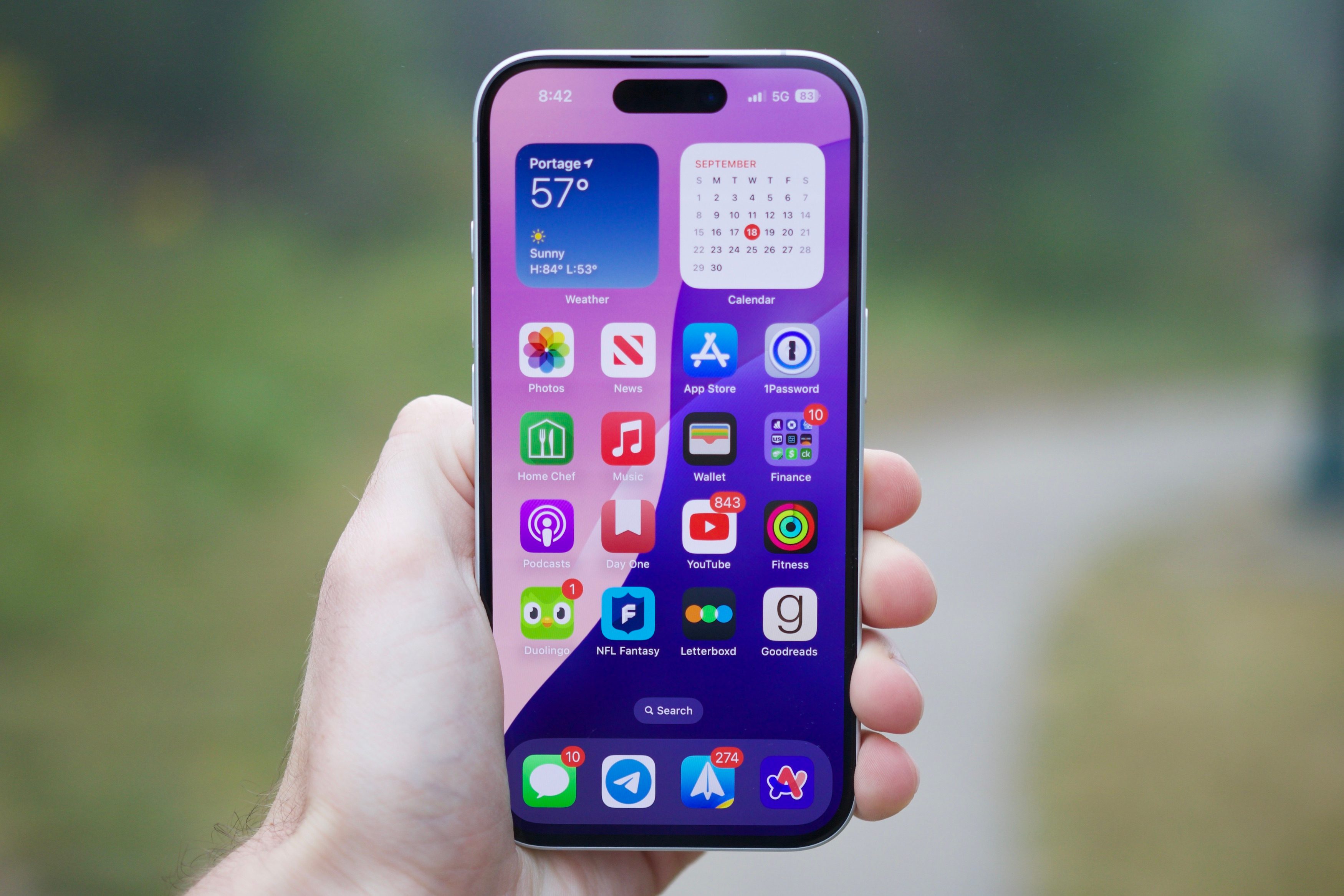
The home screen on an iPhone 16.
Joe Maring / Digital Trends

The lead time is based on Apple’s iPhone stock, and the company is famous for never releasing that information. These shorter lead times might indicate that Apple produced enough iPhones to meet the demand rather than a general lack of interest.

Even with the lower sales of the iPhone 12, Apple still saw a blowout quarter nine months after the device’s launch. Initial sales might be lower, but it’s far too early in the iPhone 16’s lifespan to predict how well it will perform overall.

Although the iPhone 16 does come with a load of new and powerful features, they might not be enough to draw in new customers. AppleInsider also reported that people seem to be gravitating toward an upgrade because their previous phone is old — not because they’re interested in newer, advanced functionality like Apple Intelligence. With the talk of a potential recession amid other economic fears, it’s unsurprising that some people might hold off on upgrading until necessary.

Patrick Hearn
Former Technology Writer
Patrick has written about tech for more than 15 years and isn't slowing down anytime soon. With previous clients ranging from…
I tried turning the Red Magic 11S Pro into a handheld console, and it almost worked too well
Pushing Red Magic's liquid cooled gaming phone past the normal smartphone limit
Red Magic 11S Pro Review

One look at the Red Magic 11S Pro, and you can tell it's not trying to be subtle. This isn’t chasing the overly polished look and feel of a modern flagship smartphone. It isn’t trying to convince you it’s a great camera phone, either. This thing looks like it escaped from the desk of someone who still thinks transparent electronics are the peak of industrial design.

Many phones call themselves gaming phones, then spend half their time trying to look normal. The Red Magic 11S Pro has no such insecurity. The transparent back looks absolutely bonkers, with visible liquid cooling, RGB lighting, a flat glass-and-metal body, and a design that lives or dies by the fact that you either love gaming hardware or you don’t. The Nightfreeze unit I tested looked sleek.

Read more
The memory crisis isn’t going to ease, and you will pay the price for it, says a research firm
Forty to 50% higher this quarter, 30 to 40% more next quarter, and no real relief until 2028. Plan accordingly.
RAM memory chips

If you were hoping the memory crisis was about to ease up, I have some bad news for you. It comes directly from Wall Street.

Your next smartphone, laptop, or tablet could cost even more, regardless of whether it has recently been subject to a price hike.

Read more
Screens before age two may come with serious developmental risks, study warns
Using a phone or a tablet to keep your baby occupied is not a good idea.
Kid using an iPad

Screens have become the digital pacifier for many babies. Phones and tablets are used during feeding, bedtime, chores, and moments when parents need a break. A major new study now warns that regular screen use before age two may carry developmental risks.

Researchers from four UK universities say babies and toddlers under two should avoid regular intentional screen time. The review links higher screen exposure in the first two years with sleep problems, language delays, behavioural difficulties, obesity risk, short-sightedness, and later problems with friendships and social interactions.

Read more