  1. Home
  2. Computing
  3. News

One of the last floppy disk industries is finally modernizing

Add as a preferred source on Google
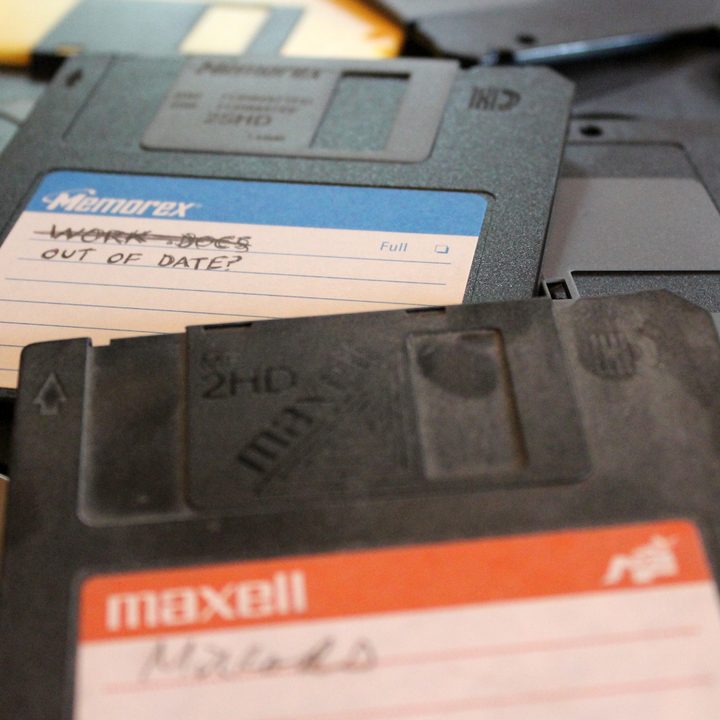
A collection of floppy disks.
Brad Jones/Digital Trends / Digital Trends

The Muni Metro Automatic Train Control System (ATCS) is set to get an upgrade to its operations that will put it approximately five generations ahead of its current system, which now runs on 5.25-inch floppy disks, the San Fransisco Chronicle reports.

The publication detailed that the San Francisco Municipal Transportation Agency (SFMTA) board recently approved a $212 million contract in mid-October to move the updates forward – as part of its overall $700 million investment in upgrading the SFMTA. The contract entails that Hitachi Rail will transition the ATCS from its current 5.25-inch floppy disk system to one that uses Wi-Fi and cell signals to track exact train locations. The deal is still subject to final approval by the SFMTA Board of Supervisors.

Recommended Videos

The current ATCS floppy disk system has been in use since 1998 and utilizes a mix of automatic mode functioning when the trains are running in the subway and manual operations when they are moving above ground, a SFMTA spokesperson told Ars Technica.

The SFMTA has had plans to transition to a Muni Metro control system without floppy disks since 2018, with an aim of having the project completed in 2028. However, shutdowns during the pandemic delayed those plans.

Further prompting a need for updates, the software on the floppy disks is also now officially out of date, as it was expected to last for 20 to 25 years, Muni officials told the San Fransisco Chronicle.

As part of the agreement, Hitachi Rail has offered 20 years of support in addition to installing the new communications-based train control system. Still aiming for a 2027 to 2028 timeline for this arm of the plan to be completed, the SFMTA is looking at a 2033 to 2034 completion date for the entire $700 million project.

While it may seem like floppy disk may be long obsolete, there are a handful of industries and organizations that have kept them going strong. In addition to the Muni Metro, the aviation industry and some Boeing 747-400 planes use floppy disks to update navigation systems. The dancing figures at Chuck E. Cheese’s run on floppy disks. Some medical machines such as CT scans and ultrasound machines also use floppy disks. The owner of Floppydisk.com, who sells floppy disks and other legacy technology types, told The Register in 2022 he estimated his company had about four years left.

Fionna Agomuoh
Fionna Agomuoh is a Computing Writer at Digital Trends. She covers a range of topics in the computing space, including…
Google’s new Magic Pointer Play Store listing reveals a Gemini shortcut built for Googlebooks
The unannounced app turns the cursor into a contextual AI tool for search, image creation, and shopping
Plant, Text, Business Card

Google has quietly published a new Play Store listing for Magic Pointer, an unannounced app built for Googlebooks. Updated on July 10, the app turns the cursor into a Gemini shortcut that can act on whatever a user selects on screen.

Magic Pointer can send an image to Lens, generate a related image, or surface a shopping action without forcing users to open a separate chatbot. Regular Android devices currently show as incompatible, so the listing offers an early preview rather than a broad release.

Read more
You can stop using AI, but this new report says you probably can’t escape it
A UK survey found that most people feel AI exposure is unavoidable, raising harder questions about consent, privacy, and whether opting out is still realistic
AI Chatbots

More people are trying to use less AI, but avoiding it altogether may already be impossible.

A survey of 2,055 UK adults found that 42% deliberately limit how much AI they use. Another 70% said avoiding AI exposure would be difficult or impossible, even when they actively wanted less of it.

Read more
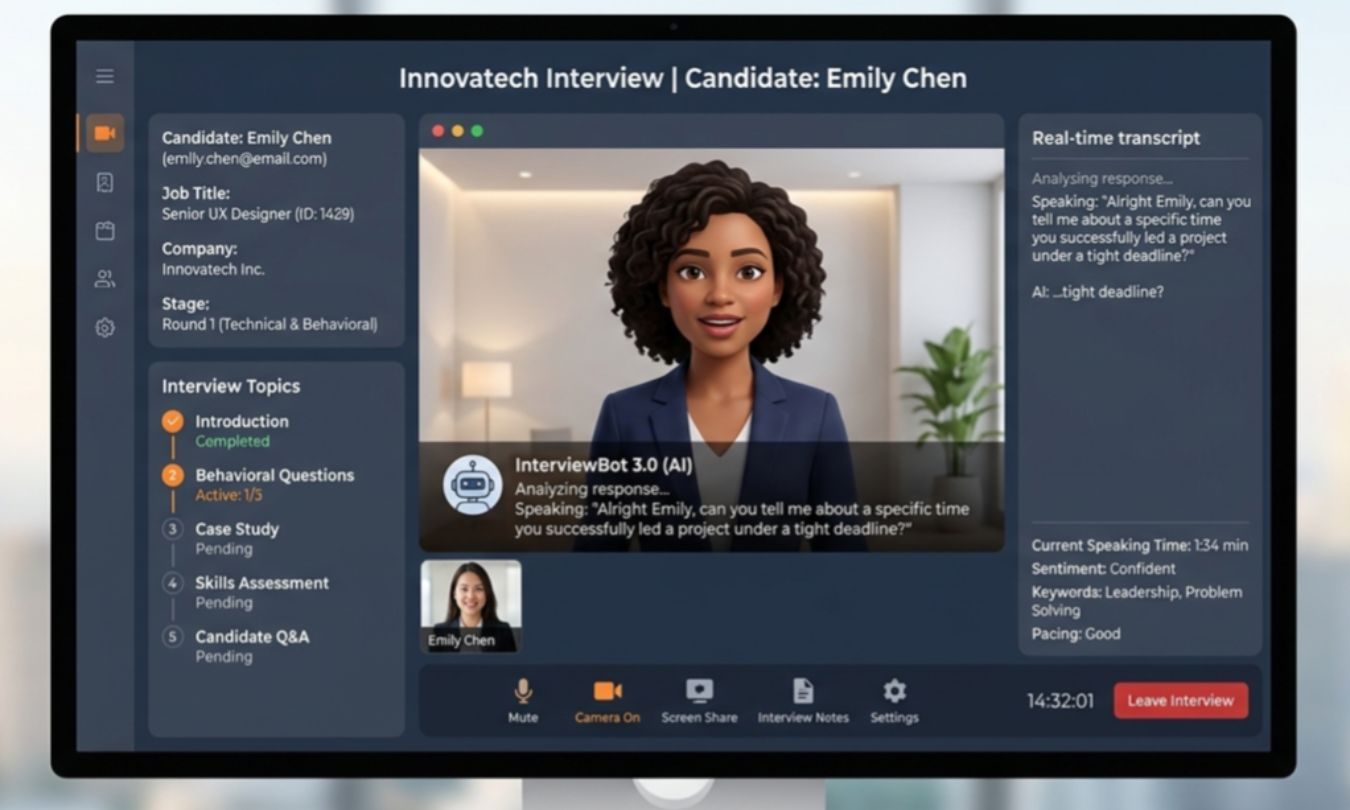
The face on an AI interviewer may matter as much as the decision it makes
Researchers found that race and gender matching changed how fairly rejected applicants viewed an automated interview, even though everyone received the same outcome
File, Computer Hardware, Electronics

An AI hiring system can treat every applicant the same and still leave some people feeling targeted. Researchers found that rejected candidates judged an automated interview differently depending on the race and gender of the avatar delivering the result.

Around 220 participants completed a simulated interview for a fictional customer support role with one of four photorealistic AI avatars. Everyone was rejected, yet perceptions of fairness shifted with the interviewer’s appearance. An algorithm audit could miss that reaction because candidates don’t experience the system as raw code. They experience a face asking questions and judging their answers.

Read more