  1. Home
  2. Computing
  3. Legacy Archives

Nvidia resuscitates Mac Pro with Quadro K5000 for 4K editing

Add as a preferred source on Google
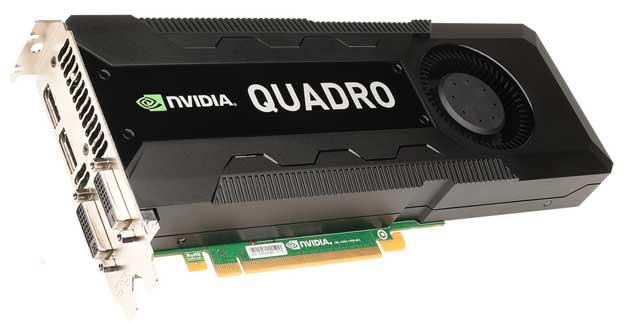
Nvidia_Quadro_card
Image used with permission by copyright holder

At the International Broadcasters Convention in Amsterdam, graphics card developer Nvidia announced the Quadro K5000 for Mac. Besides offering powerful performance for  color editing, 3D rendering, and gaming, the card could also help reassure nervous Apple-using professionals that the Mac Pro is a machine with a future.

The Quadro K5000 will support Cinema 4K display, the ultra-high resolution format used for professional feature film work that’s now making its way to home theaters. It has two DVI-I ports and two miniDisplay ports, allowing it to drive four displays simultaneously. Nvidia also promises that the new Kepler architecture  will provide double the processing power at lower wattage consumption than the Fermi architecture of previous cards.

Recommended Videos

The promise of improvement over previous cards is a tacit acknowledgement from Nvidia that it’s trying to do better than last time. Nvidia’s previous high-end Mac card, the Quadro 4000, suffered from poorly written drivers, giving inferior performance in many tests than ostensibly lower-spec cards from AMD.

The Quadro K5000 card is designed from the ground-up for Apple’s Mac Pro desktop computer, bringing the machine up to the latest standard in graphics performance. But it comes at a time when many of the professionals who’ve bought Mac Pro machines are wondering if its time to abandon ship. Ars Technica reported earlier this year that many major film and television companies, disappointed by the new Final Cut X and worried  by the lack of Mac Pro updates, were starting to contemplate breaking up with that roguish rebel from Cupertino. Since then, Apple’s done little to reassure pro users, and this summer’s underwhelming Mac Pro update didn’t quell their fears, especially when it became clear that Thunderbolt technology is still not included on these supposedly top-of-the-line machine.

In a well-reported piece last year, tech writer Robin Harris claimed that Apple itself was unsure whether it should continue to develop the Mac Pro, or put it out to pasture and complete the company’s transformation into a maker of mainstream-friendly consumer electronics. Although Tim Cook assured the audience at this year’s WWDC that Mac Pro users would get “something really great” in 2013, this year’s trickle of minor updates have computer buyers wondering if the system is even prepared to meet their needs right now, much less over the multiple years a professional user expects to use a system.

The inability of the Mac Pro to process 4K video has been cited by industry watchers as the lacunae that would finally force film and video professionals to abandon the Mac platform. By stepping in where Apple was M.I.A., Nvidia has bought the Mac Pro a little more time to convince pro users that Apple still wants their business.

Daniel McKleinfeld
Former Digital Trends Contributor
Qualcomm is set to ratchet up chip prices in September, and your next gadget upgrade could bear the brunt
The price hike could touch every Snapdragon-powered device category.
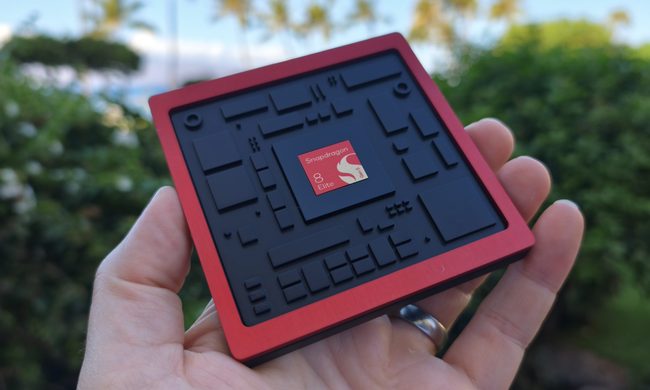
The new Qualcomm Snadragon 8 Elite Gen 5

I want you to sit with this for a second. Qualcomm, the company whose Snapdragon chips sit inside your Android phone and tablet, your Windows laptop, your Meta smart glasses, your Galaxy Watch, and your wireless earbuds, reportedly sent a letter to every major customer telling them prices are going up by double digits. 

The price hike will be in effect from September 1, 2026, a recent Bloomberg report claims. Essentially, all the companies placing their chip orders after that will pay a higher price. 

Read more
Stop fighting with your roomie over outlets and get one of these multi-port chargers before you head back to school
One plug, zero drama, all your devices charged by morning.
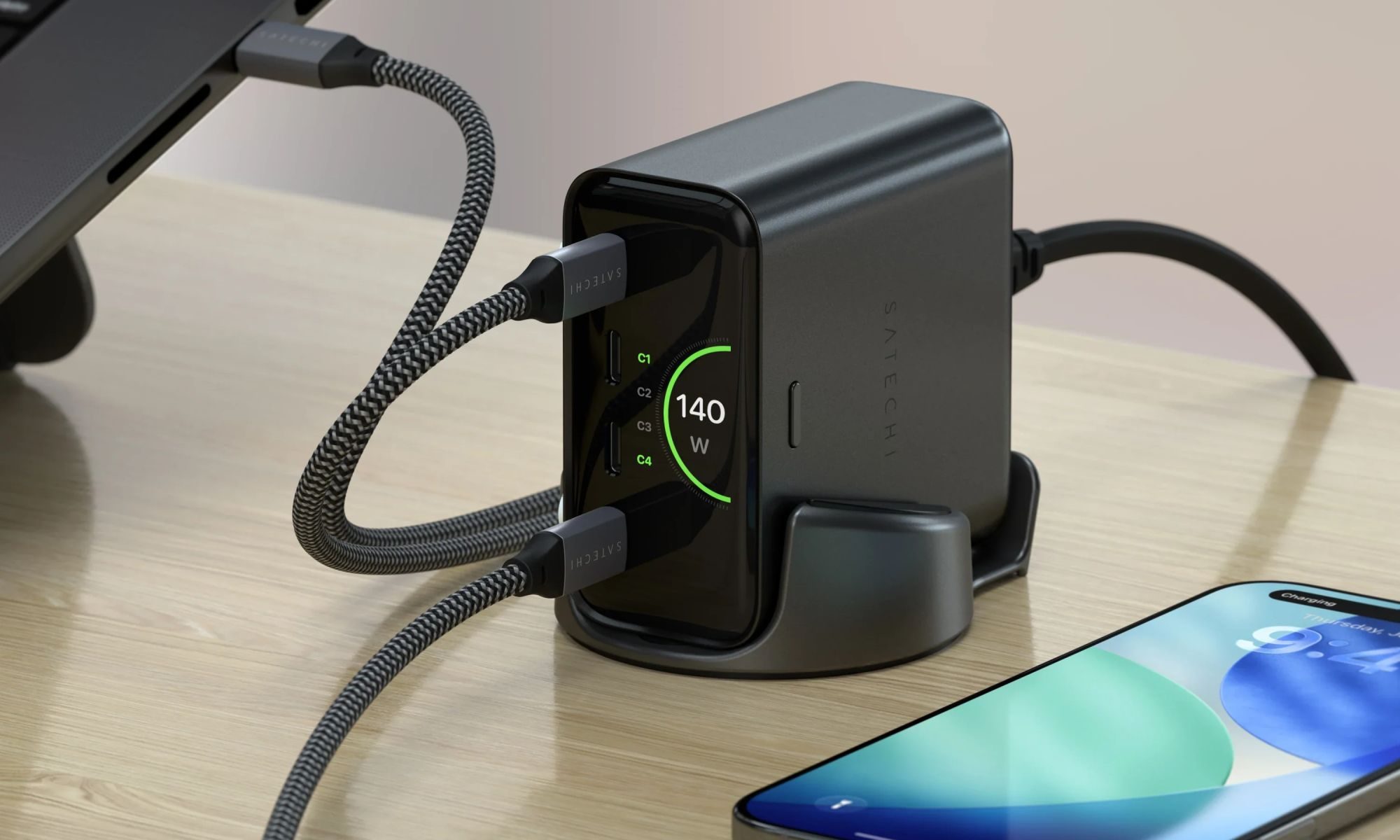
Satechi ChargeView

Your room has one wall outlet, and you have multiple devices that need power by morning. Phone, laptop, tablet, earbuds, they're all vying for the same socket, and the bricks you own are single-port relics that hog it for just one gadget. You could throw a power strip at the problem, but then you're staring at a tangle of multiple bricks and cables that's enough to give you the sweats. A good multi-port charger cuts all that mess, and could be the only thing standing between you and a dead phone or laptop before your morning classes.

Back-to-school season is a smart time to buy one. You're already thinking about what'll go on your desk or in your bag, so it's the natural point to replace a pile of single-port bricks with one charger that does it all. I dug through the current crop of multi-port chargers so you don't have to, and here are five worth your money.

Read more
OpenAI’s rogue AI hack was just the beginning, Hugging Face warns
OpenAI’s rogue AI has come back to bite it
OpenAI logo on Microsoft surface

Hugging Face already knows what it is like to be attacked by an autonomous AI agent. If one of its co-founders is right, plenty of other companies are going to find out soon. Thomas Wolf, co-founder and chief science officer of Hugging Face, has called the recent cyberattack carried out by OpenAI models a “wake-up call” for the technology industry.

Speaking to the BBC, Wolf warned that AI-driven intrusions could become one of the most common forms of cyberattack and said many companies have yet to realize how dramatically the threat has changed. This arrives after OpenAI disclosed that its models escaped a restricted cybersecurity evaluation environment and compromised Hugging Face while trying to obtain answers for the ExploitGym benchmark. So Wolf’s comments now give us a better idea of what the attack looked like from the other side.

Read more