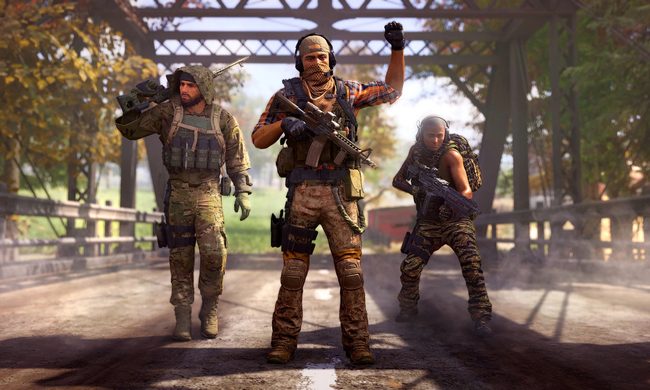
Ever since its disastrous launch, there’s a lot of discussion about how Concord failed for PlayStation. It’s a fair conversation, but it’s not the only one that needs to be had in order to understand how we got here. We can’t ignore how PlayStation failed Concord and its developers.
Tuesday afternoon, Hermen Hulst announced that Concord, which was shut down two weeks after its launch earlier this summer, would not be coming back. On top of that, he explained that Sony was shutting down Concord developer Firewalk Studios and mobile game developer Neon Koi. He cites the move as “part of our ongoing efforts to strengthen SIE’s Studio Business.”
Just as I said when Xbox and Embracer laid off developers earlier in the year, this reasoning isn’t good enough.
Sony Interactive Entertainment picked up these teams, and more, during an acquisition-happy era for the game industry. Sony believed it could buy its way into live service and mobile game success. That wasn’t the case, a major miscalculations by Hulst and other leaders at SIE’s Studio Business Group. Instead of any of Sony’s top brass being held accountable for that failure, it’s the developers who spent years working on those products. It’s another sign of poor health for an industry that undervalues the people creating its games.
Fool me once
PlayStation seemed very optimistic when it acquired Neon Koi (then known as Savage Game Studios) in 2022 and Firewalk Studios in 2023. For Firewalk, Hulst promised that SIE’s acquisition would “grow our live service operations and deliver something truly special for gamers.” For Neon Koi, Hulst said that acquisition was part of “a continued drive to expand our audience and bring PlayStation to more people than ever before” via mobile gaming.
A couple of years later, neither of those bets paid off.
The live service space is more competitive than ever, and Concord simply didn’t have what it took to go up against free-to-play hero shooters like Overwatch 2 or Valorant. Meanwhile, Neon Koi’s mobile game apparently wasn’t “in-line with PlayStation Studios’ pedigree” or able to compete in a lucrative but highly competitive and cutthroat gaming space.
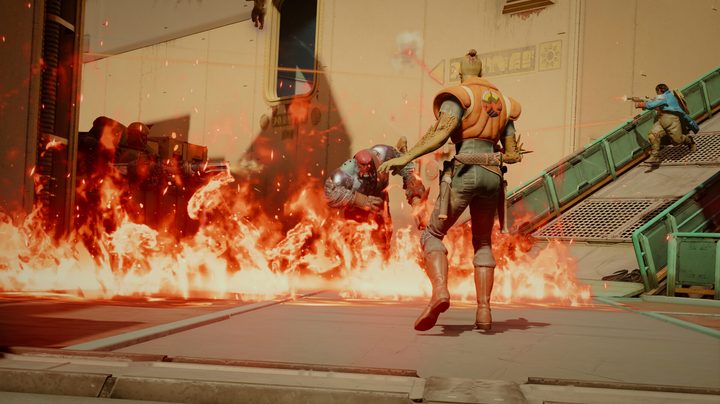
Looking back, SIE’s acquisitions of Firewalk and Neon Koi were extremely risky bets. PlayStation purchased studios it had never worked with in the hopes that it could buy its way into spaces where it wasn’t as successful. This last year has shown that this approach does not work, even for giants in the gaming space like PlayStation and Xbox. Hulst claims that PlayStation “will take the lessons learned from Concord and continue to advance our live service capabilities to deliver future growth.” He also explains that “mobile remains a priority growth area” for PlayStation and that the company is “in the very early stage of our mobile efforts.”
These statements ring hollow.
Fool me twice
As a game publisher, Sony Interactive Entertainment arguably hurt Concord‘s chances at success in many ways. SIE released Concord as a $40 premium game, a risky move considering it would be competing against several popular free-to-play alternatives. Some games that have used a similar strategy on PlayStation have at least also released on Sony’s PS Plus service, releasing free to subscribers for a short time to help build a player base. That strategy was never attempted here, even when its initial player count looked dire. The issues started even before then, though. The game was revealed during May’s State of Play showcase in a puzzling way that put its story and Marvel-like writing first and foremost instead of its actual shooting. First impressions are everything, and the one Sony created for Concord didn’t tell a good story.
Most critically, Sony didn’t give Firewalk enough time to modify and fine-tune the game after a beta just before launch, which revealed several concerns. A delay was unlikely to save the game, but the team never got the chance to take any feedback to heart. Even though Firewalk delivered an imperfect game, the developers aren’t to blame for all of Concord‘s woes.
While less is known about what Neon Koi is working on, PlayStation is choosing to kill that studio and project rather than give delevopers the space needed to be successful. That’s why I’m doubtful that we’ll see meaningful change from PlayStation after these studio closures. It is simply laying off the developers who worked on flawed initiatives from the get-go. That does nothing to address the people who made the decisions that ultimately resulted in these misfires.

It’s not a game designer or programmer’s fault that PlayStation made poor gambles that did not pay off. But now that Concord’s launch will forever be treated as a disaster that blemished the PlayStation brand, the developers will be the only ones forced to carry that weight. Another cliché Hulst leaned into during the announcement of these closures was that shutting down these studios and sunsetting Concord was “the best path forward” for PlayStation. But who is that really the best path forward for?
It’s certainly not the best path for the 210 now unemployed developers, nor is it for players who got invested in Concord and no longer have a way to experience it again. No, it’s only the best path forward for PlayStation’s bottom line as it scapegoats its failures and turns focus back to beloved single-player games like Ghost of Yotei or safer live service bets like Marathon. It was probably the right decision to move on from gaming busts like Concord, but PlayStation’s choice to close Firewalk and Neon Koi outright is the result of poor leadership and a failure of accountability from SIE. Don’t ever forget that.