1. Home
  2. Computing
  3. News

Valve adds DLSS 3 to SteamOS backend, but don’t expect an Nvidia Steam Deck

Add as a preferred source on Google
Ghost of Tsushima running on the Steam Deck.
Jacob Roach / Digital Trends

Valve has made a significant update to its Proton compatibility layer, which is the basis of the Linux-based SteamOS operating system on the Steam Deck. The update brings several improvements and bug fixes, but it also adds support for Nvidia’s coveted DLSS 3 Frame Generation.

The update for Proton Experimental rolled out on November 12, and it was spotted by Wccftech. Proton is the bedrock for gaming on Linux, and up to this point, Nvidia users haven’t had access to some of the best features of Team Green’s latest graphics cards on Linux. The latest update not only supports DLSS 3 Frame Generation, but also Nvidia’s Optical Flow API. Optical Flow is critical for DLSS 3 Frame Generation, though the dedicated hardware for the feature has been around since Nvidia’s Turing GPUs.

Recommended Videos

In addition to DLSS 3, the update fixes issues with games like Skull and Bones, Final Fantasy XVI, and Doom Eternal, among dozens of other fixes. It also adds support for games like Total War: Shogun 2, Warhammer 40K: Space Marine 2, and Sniper Elite: Nazi Zombie Army 2. 

Proton may be a vital component of the Steam Deck, but it extends far beyond just Valve’s handheld. That is to say, this update doesn’t say much about the future of the Steam Deck. There’s some interesting context surrounding this update, however.

Nvidia is reportedly working on an Arm-based PC platform that combines a GPU and CPU into a single chip, and it will apparently be ready to launch next year. Up to this point, AMD hardware has dominated handhelds like the Steam Deck and Asus ROG Ally X, and Intel has dipped its toes in with the MSI Claw. But we haven’t seen an Nvidia-based handheld yet.

If we see an Nvidia system-on-a-chip (SoC) capable of features like DLSS 3 Frame Generation, that would make for a compelling handheld gaming PC. If nothing else, adding support for DLSS 3 in Proton gives Linux gamers more options to play, and it also lays the groundwork if we ever see an Nvidia-based handheld in the future that leverages Proton.

Before rushing to conclusions, we’re reading several layers into a relatively simple update here. Valve has said it’s waiting for a signficant hardware improvement before releasing the Steam Deck 2, and although it’s possible that design could use an Nvidia chip, there’s no reason to believe Valve will break from AMD at this point.


Jacob Roach
Former Lead Reporter, PC Hardware
Jacob Roach is the lead reporter for PC hardware at Digital Trends. In addition to covering the latest PC components, from…
Claude’s Sonnet 5 is built to do more on its own and cost you less
Better than its predecessor, nearly as good as the flagship, and meaningfully cheaper than both.
Art, Floral Design, Graphics

Every major AI lab is racing to prove its models can work autonomously with minimal hand-holding; we’re now seeing pricing emerge as the next battleground. 

Anthropic just fired its latest shot, Claude Sonnet 5, a model the company says performs nearly as well as its flagship Opus 4.8 at a fraction of the cost.

Read more
Apple Creator Studio adds AI tools across Final Cut Pro, Logic Pro and Pixelmator Pro
Final Cut Pro gets AI captions, Auto Mask and better Pixelmator Pro workflows in Creator Studio update
Computer Hardware, Electronics, Hardware

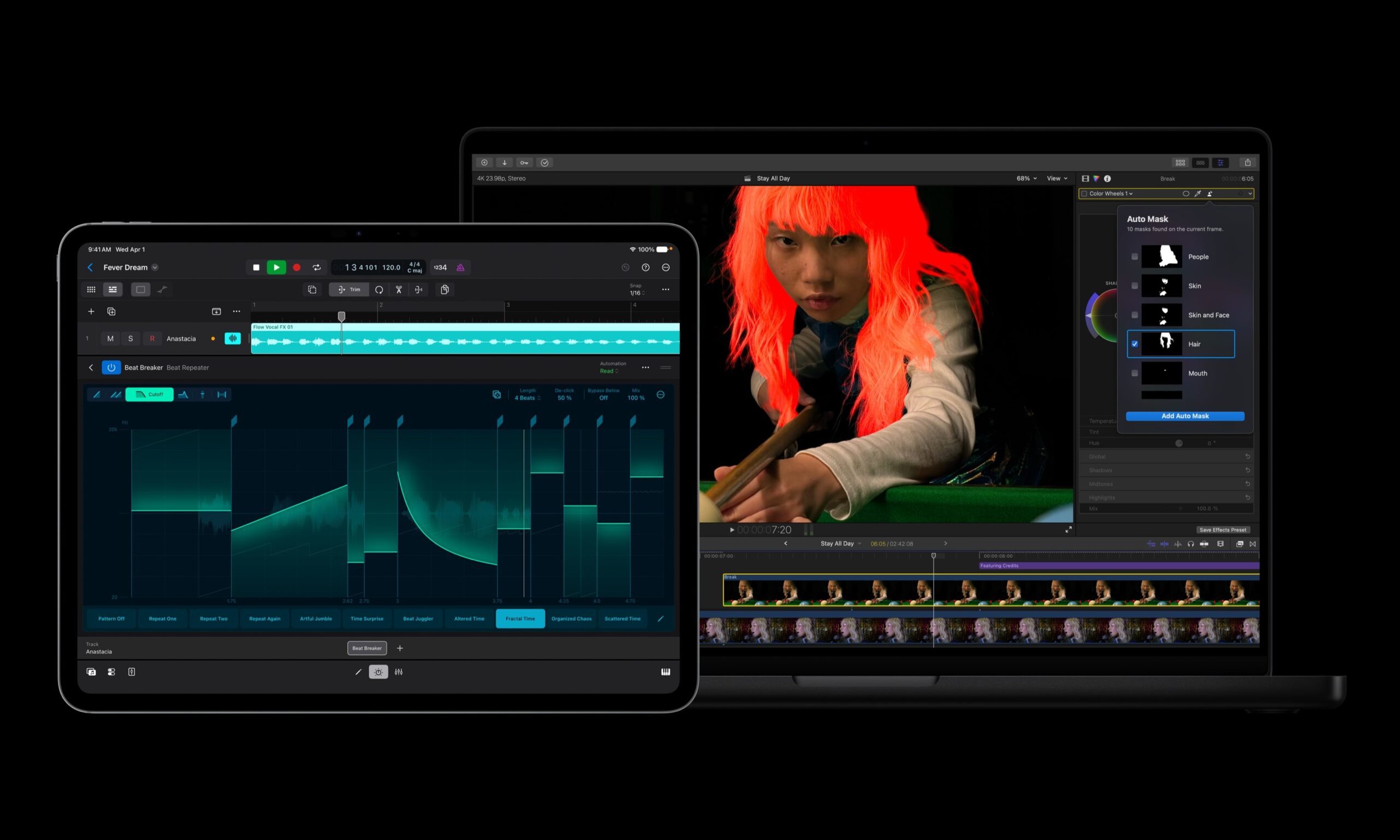
Apple has introduced a major update to Apple Creator Studio, adding new AI features, deeper Pixelmator Pro integration, and workflow upgrades across Final Cut Pro, Logic Pro, Keynote, Pages, Numbers, Motion, Compressor, Freeform, and Final Cut Camera.

The update makes Creator Studio more useful across Mac, iPad, and iPhone, especially for people who move between video editing, image editing, presentations, documents, spreadsheets, and music production.

Read more
AI browsers like Perplexity Comet can be tricked into spilling your password through BioShocking exploit
Six AI browsers were found leaking saved passwords and many of them haven't fixed it yet.
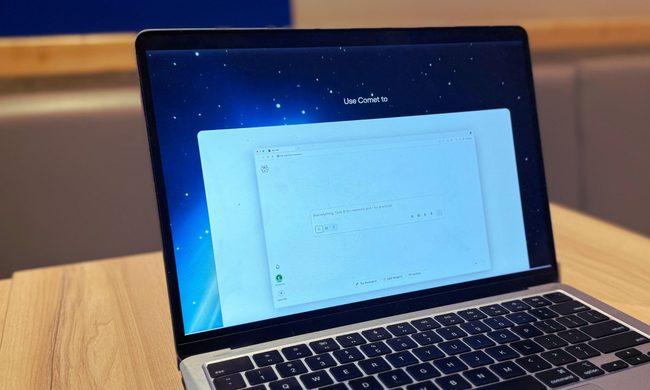
MacBook Air in hand, Comet browser loaded—let’s see what Perplexity’s AI can really do

Security researchers just found a strange way to trick AI browsers into handing over your passwords. They managed to trick AI browser agents into exposing sensitive data like saved passwords, session cookies, and private tokens by disguising the theft as part of a harmless "game."

The technique is called BioShocking, named after the popular video game BioShock, where a brainwashed character is manipulated into believing a false reality. Once an AI browser falls for the same trick, it stops following its own safety rules entirely.

Read more