A new report suggests that Apple may be lining up its plans for the launch of its more budget-friendly Vision headset. As spotted by Wccftech, the report comes from analyst firm TrendForce, which indicates a move away from the high-end micro-OLED panels used in the Vision Pro.
The new options include glass-based OLED displays, as well as a different form of OLED known as LTPO backplane technology, which was first used on the Apple Watch Series 4 back in 2018. Since then, it’s become a familiar display technology that’s been applied broadly across the industry in smartphones and watches.
This would mean moving away from Sony, which supplied the micro-OLED screens for the Vision Pro. The production of micro-OLED is still costly and inefficient, and according to consulting firm YoleGroup, “requires heavy investments in equipment and dedicated production lines to handle increased volumes.”
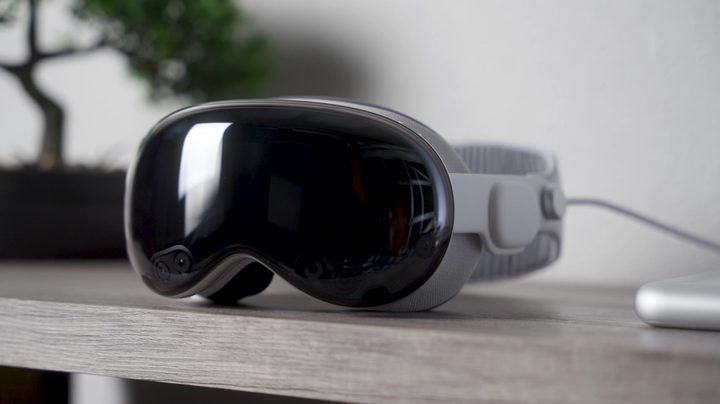
The report from Trendforce reconfirms that the Vision Pro 2 will continue to use micro-OLED and will even have resolution beyond 3,000 pixels per inch. But even there, Apple will be looking beyond Sony to get costs down.
Based on the name alone, the implication was always that Apple would release a more affordable version of the Vision Pro. But now we’re starting to see one element of Apple may approach reducing the price. After all, Apple could only reduce the quality by so much before the headset would lose what made it so special.
The Vision Pro’s price was always its Achilles’ heel. Even Apple knew that. No one knows, but rumors say that both the lower-priced Apple Vision and next-gen Vision Pro 2 are expected to launch in 2025. The base Vision may come in under $2,000, while some reports indicate that Apple will reduce the price of the original Vision Pro and continue to sell it alongside the others.
But will that be low enough to make a break into the mainstream for these headsets? With the Quest 3 and even more affordable Quest 3S holding down the sub-$1,000 category, Apple would need to make quite a strong case that its base model offers a significant step up from the $500 Quest 3.
Meanwhile, the rest of the industry is beginning to ramp the production of mixed-reality headsets back up again, with Samsung and Sony leading the charge. Even Microsoft has hinted at getting back in the game. Both Meta and Google are expanding the ecosystem of mixed-reality headsets too, opening up both the new Android XR and HorizonOS to brands like Lenovo and Asus.