1. Home
  2. Phones
  3. Mobile
  4. News

UK backdoor order forces Apple to disable cloud encryption

Add as a preferred source on Google
A person holding an iPhone in their hand.
Digital Trends / Bagus Hernawan / Unsplash

On Friday, Apple turned off its most advanced, end-to-end encrypted cloud data feature in the U.K. According to Bloomberg’s Mark Gurman, the company decided to shut down Advanced Data Protection after the U.K. government demanded a backdoor to access user data.

The security layer previously available to U.K. users, which included iCloud data storage, device backups, web bookmarks, voice memos, notes, photos, reminders, and text message backups, is no longer accessible.

Recommended Videos

Apple made the decision, saying, “We are gravely disappointed that the protections provided by ADP will not be available to our customers in the UK, given the continuing rise of data breaches and other threats to customer privacy.”

It continues, “ADP protects iCloud data with end-to-end encryption, which means the data can only be decrypted by the user who owns it, and only on their trusted devices.”

Apple’s move isn’t unexpected. The company has long said it wouldn’t offer a backdoor for the U.K., or any government, to access user data.

U.K. customers will now receive the following message on their iPhone, iPad, and Mac: “Apple can no longer offer Advanced Data Protection (ADP) in the United Kingdom to new users.”

According to the company, users with ADP must manually turn it off during an unspecified grace period. If they don’t, their iCloud accounts will be terminated. Apple is expected to provide additional guidance.

To deactivate Advanced Data Protection (ADP), users should open the Settings app and select their iCloud account at the top. Then choose “iCloud,” followed by “Advanced Data Protection.” Finally, choose the option to “Turn Off Advanced Data Protection.”

Removing ADP in the U.K. will not affect end-to-end encryption on all Apple features. FaceTime, iMessage, password management, and health data will retain protection, at least for now.

This is not the end of the story. Apple’s decision today may not satisfy U.K. government officials. This could shift the situation in either direction. For instance, the government might demand more from Apple and wait for its response. In turn, Apple could decide to remove all iCloud features in the U.K. Alternatively, both parties could reach a compromise.

However, one thing is sure: Apple will not back down or create a backdoor. The company has consistently stated that it will never allow this.

Bryan M. Wolfe
Former Mobile and A/V Freelancer
Bryan M. Wolfe has over a decade of experience as a technology writer. He writes about mobile.
The Light Flip brings back the flip phone, minus the distractions
The company's first flip phone features a T9 keypad, 5G, USB-C, and LightOS instead of addictive apps.
Light Flip Phone Featured

Flip phones are having a bit of a comeback. But most modern versions either feel cheaply made or swap one set of distractions for another. That's exactly what Light says it wants to change with the Light Flip -- its first-ever flip phone and the fourth phone the company has released in the past decade. Staying true to the philosophy behind previous Light Phones, the new device combines a classic clamshell design with a minimalist software experience that helps users stay connected without constantly competing for their attention.

A classic flip phone with modern essentials

Read more
Samsung’s new AI assistant wants to explain what your health data actually means
Your Galaxy Watch collects the clues. Samsung Health Assistant connects the dots.
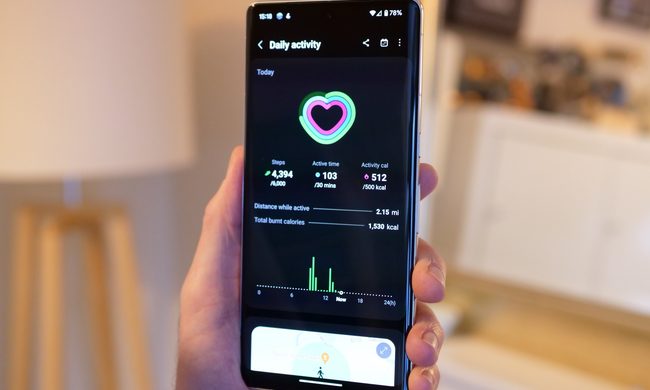
Samsung Health data screen.

Samsung Health is getting smarter than ever before with its new AI assistant. The Samsung Health Assistant is now available in beta to eligible users in the United States. Built directly into Samsung Health, the conversational assistant can analyze information collected across the app and answer personalized questions about the user’s health and wellness.

Your health charts talk back now

Read more
Apple’s next big iPhone display experiment could be its biggest yet
The company may be testing a 6.96-inch panel for a future flagship, although one leaker’s post is currently the only source for the exact measurement
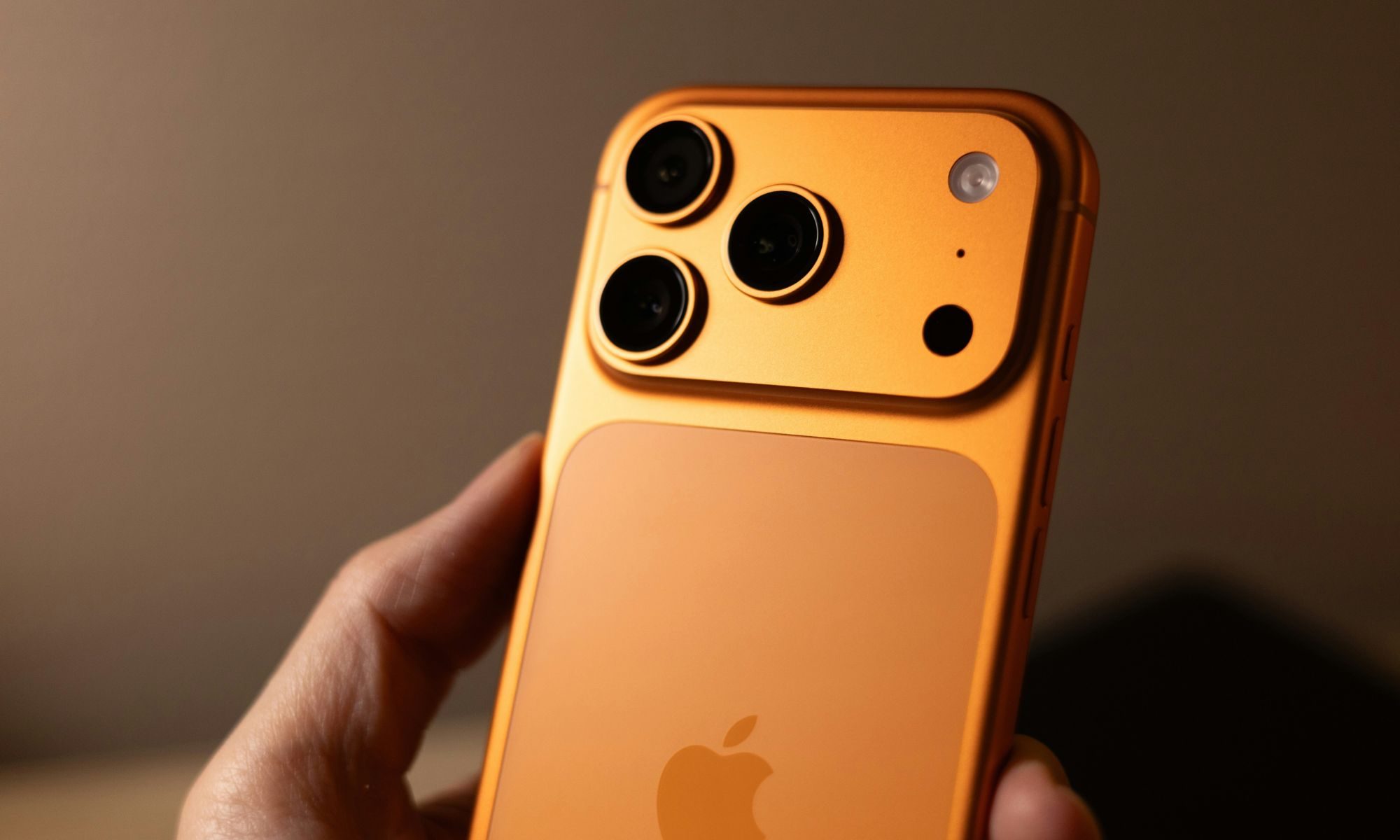
iPhone 17 Pro Max

Apple may be testing a 6.96-inch display for a future iPhone, bringing its largest handset within a whisker of the 7-inch mark.

Leaker Digital Chat Station claims the experimental panel retains the same aspect ratio as Apple’s current Pro Max display. The post mentions the iPhone 20 Pro Max as a possible destination, but doesn’t connect the screen to a finished device. Apple could be exploring the size without putting it anywhere near a production line.

Read more