1. Home
  2. Computing
  3. News

Vivaldi boosts privacy by adding a VPN right in your browser

Add as a preferred source on Google
The Vivaldi web browser running in macOS Sequoia.
Digital Trends

Vivaldi, a Norwegian-based browser that focuses on customization, has joined forces with Proton. From today, the latest version of Vivaldi has Proton VPN built right into the browser, giving users access to a secure and privacy-focused VPN service without any extra downloads.

Proton, the Swiss company best known for its email service, Proton Mail, delivers end-to-end encrypted services for consumers and professionals who prioritize privacy. The partnership is another move by European companies to provide European alternatives to big tech services, with Vivaldi CEO commenting:

Recommended Videos

“We’re both European companies, proudly outside the orbit of Silicon Valley’s extractive playbook or China’s state-driven oversight. We don’t believe your personal data should be a bargaining chip.”

He also notes that users are “waking up” and choosing to prioritize privacy rather than participate in exploitative tech monopolies. If that sounds like you, Vivaldi is one of the browser alternatives to consider.

While Google Chrome watches, collects, and sells just about every movement you make on its browser, Vivaldi promises to collect nothing. Your data is stored on your device in an encrypted folder that Vivaldi can’t access.

And there’s really no need to give Google that data. Sometimes, you can make the argument that you’re paying for a service in data rather than out of your pocket — so instead of paying for a private email service as good as Gmail, you can use Gmail for free in exchange for sharing your data.

Some people think that deal is fair, others don’t. But either way, that argument doesn’t really work here — because privacy-focused browsers are free to use, too. So, you can choose to enrich Google for no personal gain, or you can choose to do what’s best for yourself instead.

And to sweeten the deal, Vivaldi has some pretty cool customization features to choose from, too. Or if you want to consider a range of options, there are plenty of other Google Chrome alternatives to choose from.

Willow Roberts
Willow Roberts has been a Computing Writer at Digital Trends for a year and has been writing for about a decade. She has a…
Apple’s historically high tax for RAM upgrades on Macs has now become absurd
Mac RAM upgrade prices have doubled amid the global memory crunch
MacBook Pro.

Apple’s Mac RAM upgrades were already expensive enough to raise eyebrows. After the company’s latest round of price hikes, some of them now look ridiculous.

Apple recently raised prices across its Mac and iPad lineup, along with other products, citing rising memory and storage costs. The supply crunch is real, but Mac buyers were paying steep premiums for RAM and SSD upgrades long before this jump. Recent MacBook Pro configuration screenshots shared by 9to5Mac show how much worse the upgrade path has become.

Read more
Windows 11 is getting a new Screen Tint mode, and your eyes might thank Microsoft
Users can apply custom color overlays to reduce screen intensity and visual fatigue.
Windows 11 on a laptop

Microsoft is testing a new accessibility feature for Windows 11 called Screen Tint, and it could be one of those small additions that make a surprisingly big difference. Instead of changing your display's color temperature like Night Light, Screen Tint applies a customizable color overlay across the entire screen, making bright displays easier on the eyes during long work or gaming sessions.

A softer screen for tired eyes

Read more
Apple’s looking at a politically radioactive fix for the memory crisis, and the US government isn’t happy about it
Apple blamed memory costs for your price hike. Its proposed solution involves a Pentagon blacklist.
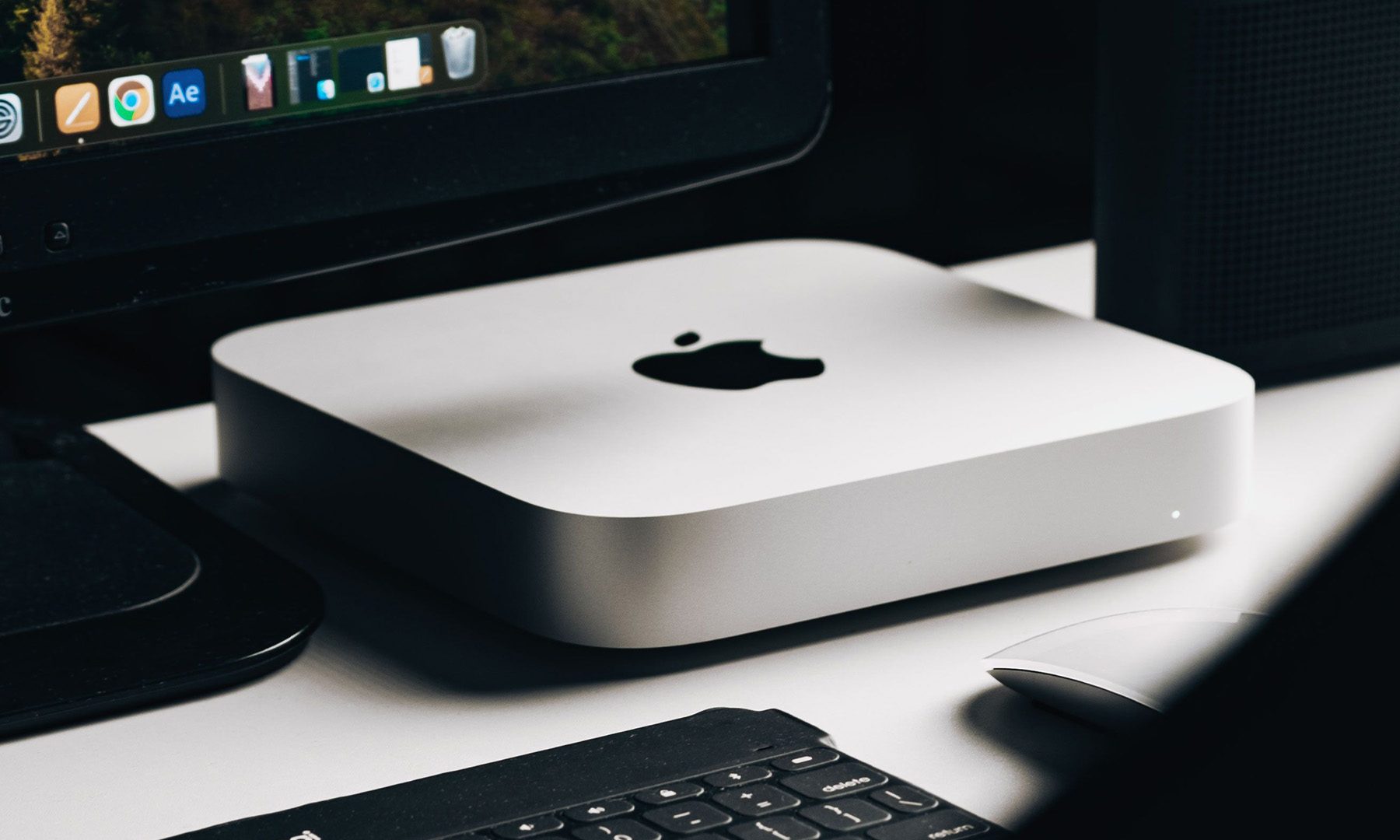
Apple Mac Mini on a Desk

A few days ago, Apple announced an ugly mid-cycle price hike, blaming the worsening-by-the-day memory crisis. According to the Financial Times, the company is now lobbying the government for approval to buy memory chips from a Chinese company. 

The company in question is CXMT, a Chinese chipmaker that the Pentagon added to its Chinese Military Company blacklist for alleged ties to the Chinese army.

Read more