We’ve already said our goodbyes to LG after it shuttered its Mobile divison in 2021. But while time may heal all wounds, for me, there still exists a dull ache in my heart where LG’s smartphones used to sit. And that ache has only become more acute with the final peal of the bell for LG Mobile — on June 30, LG’s mobile update servers will cease functioning, eventually consigning even the most loyal of LG’s followers to another brand of smartphone.
See, LG was no common smartphone manufacturer. While it made some excellent (but normal) smartphones, LG’s real expertize lay in the bizarre. For every Google Nexus 5, there existed another smartphone with a completely off-the-wall concept. And while other manufacturers would create something innovative and bizarre every now-and-again, it truly became what LG was known for. From phones that existed before their time, those with two screens, and the truly bonkers LG Wing, here are five of the craziest smartphones LG made.
Goodbye LG Mobile, I’ll miss you.
Ahead of its time: LG Optimus Vu
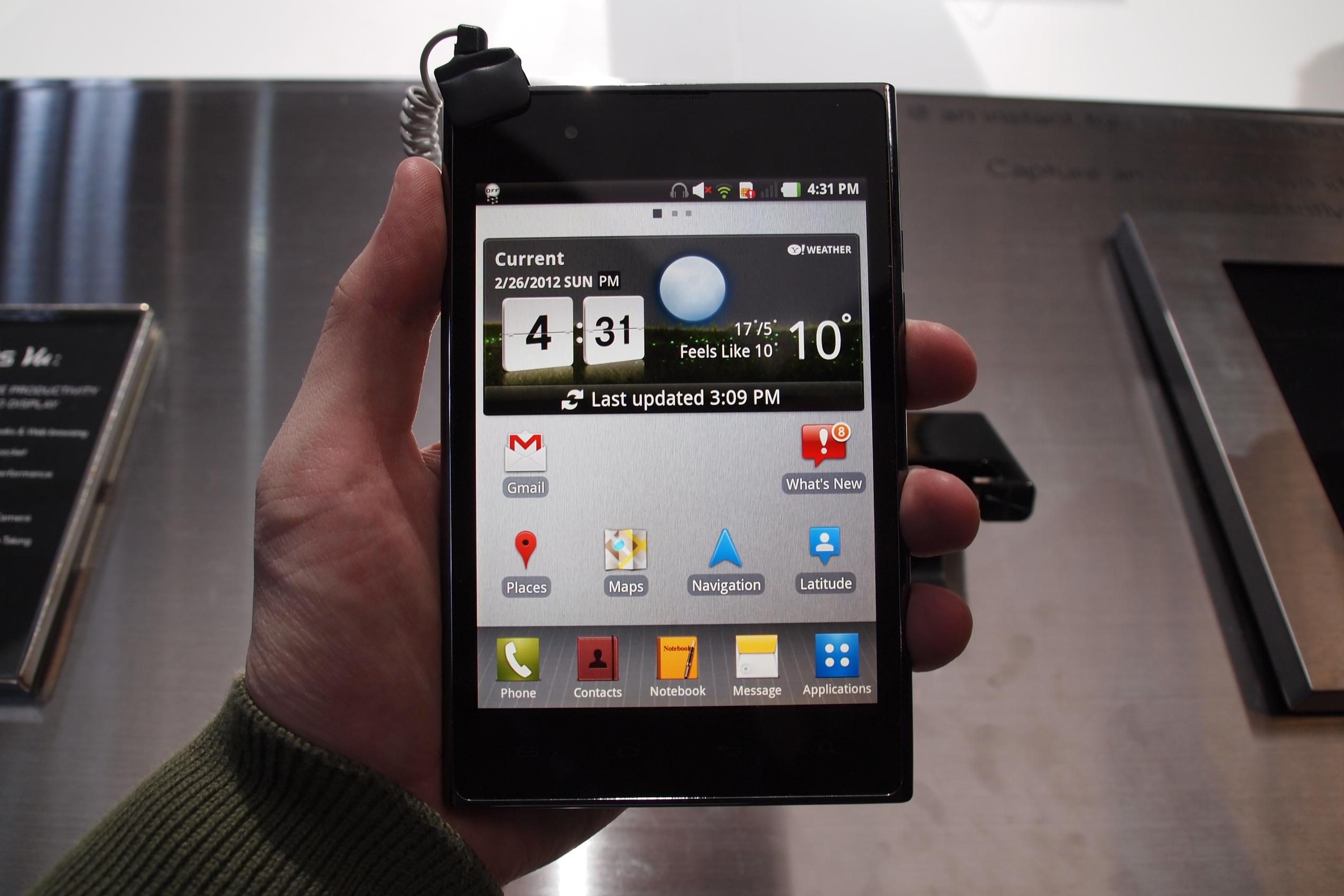
I’ll start this list with a phone that’s less crazy and more ahead of its time: The LG Optimus Vu.
Look at the Optimus Vu with modern eyes and you might wonder what’s wrong with it. One of the first “phablets” to bridge the gap between standard smartphones and tablets, the LG Optimus Vu’s 5-inch display was ludicrously large for the time. That may seem weird to us now, with our 6-inch plus phones as standard, but the iPhone from the same year, the iPhone 5, had a 4-inch display, and as such, this phone seemed enormous.
To be fair, it was enormous, and that’s because of the dimensions. Rather than the more standard slim rectangle we’re used to, LG decided to squish the phone into a 4:3 aspect ratio. And you can see why it might have worked: That’s the aspect ratio for most paper sizes, and non-widescreen TVs. But on a phone? It makes for a strangely squat figure, with reviews of the time complaining of how difficult it could be to reach the other end of the display. And they have a point — at over 90mm wide, the Optimus Vu’s wideness dwarfs even the iPhone 16 Pro Max‘s 77.6mm width. To those ancient peoples of 2012, it must have seemed like a gigantic monolith of a phone.
The LG Optimus Vu had its fans, and it sold over 1 million units in LG’s homeland of Korea, and had sequels, but its most enduring legacy is showing that LG’s move from dumb phones to smartphones hadn’t slaked its creative juices in the slightest. And really, we hadn’t seen anything yet.
Adaptable but flawed: LG G5

Moving into crazier territory, we have the LG G5. By itself, the LG G5 isn’t particularly odd. By the standards of the time, the G5 was a solid flagship smartphone that took on the Samsung Galaxy S7 and iPhone 6S. It lacked in battery power, but in terms of pure performance, good looks, and strong camera, it was a winner. So why is it on this list? It’s because LG couldn’t resist adding a bit of weird into the mix, and like many of us, LG G5 has a very strange family.
Press a button at the bottom of the phone and the lowest section of the phone would slip right off, along with the battery module. And frankly, that seems like a terrible thing to happen to your phone — but don’t worry, those mad people at LG did this on purpose. The G5 Family was a series of modules you could clip onto the bottom of your phone to enhance and alter its capabilities on the fly. There was a beefy speaker module created with Bang & Olufsen, a virtual reality camera, and the (actually pretty good) CamPlus module, which added another battery pack, hand-grip, and camera controls to your phone.
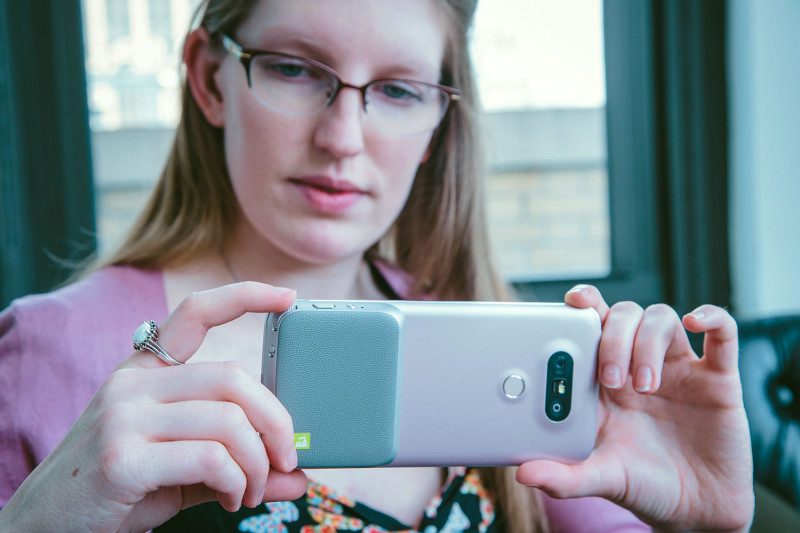
It’s an incredibly innovative idea, but one that unfortunately didn’t catch on. The problems with the on-the-fly swapping were obvious from the start — the battery sliding out every time you wanted to change modules was a pain, and those accessories were an additional expense on top of having just spent $600 on your new phone. That’s a midrnage phone today, but in 2016, that sum got you a top-of-the-line flagship, and having to pay extra to get the most from your phone did sting.
So it’s not really a massive surprise that the LG G5’s weirdness ended with it. But even so, I love it. The LG G5 was the first of LG’s creations to really catch my eye, and I really regret not grabbing one when I had the chance.
But we have even weirder to go, because once again, LG went ahead and just straight-up predicted the future.
A vision of the future: LG G Flex
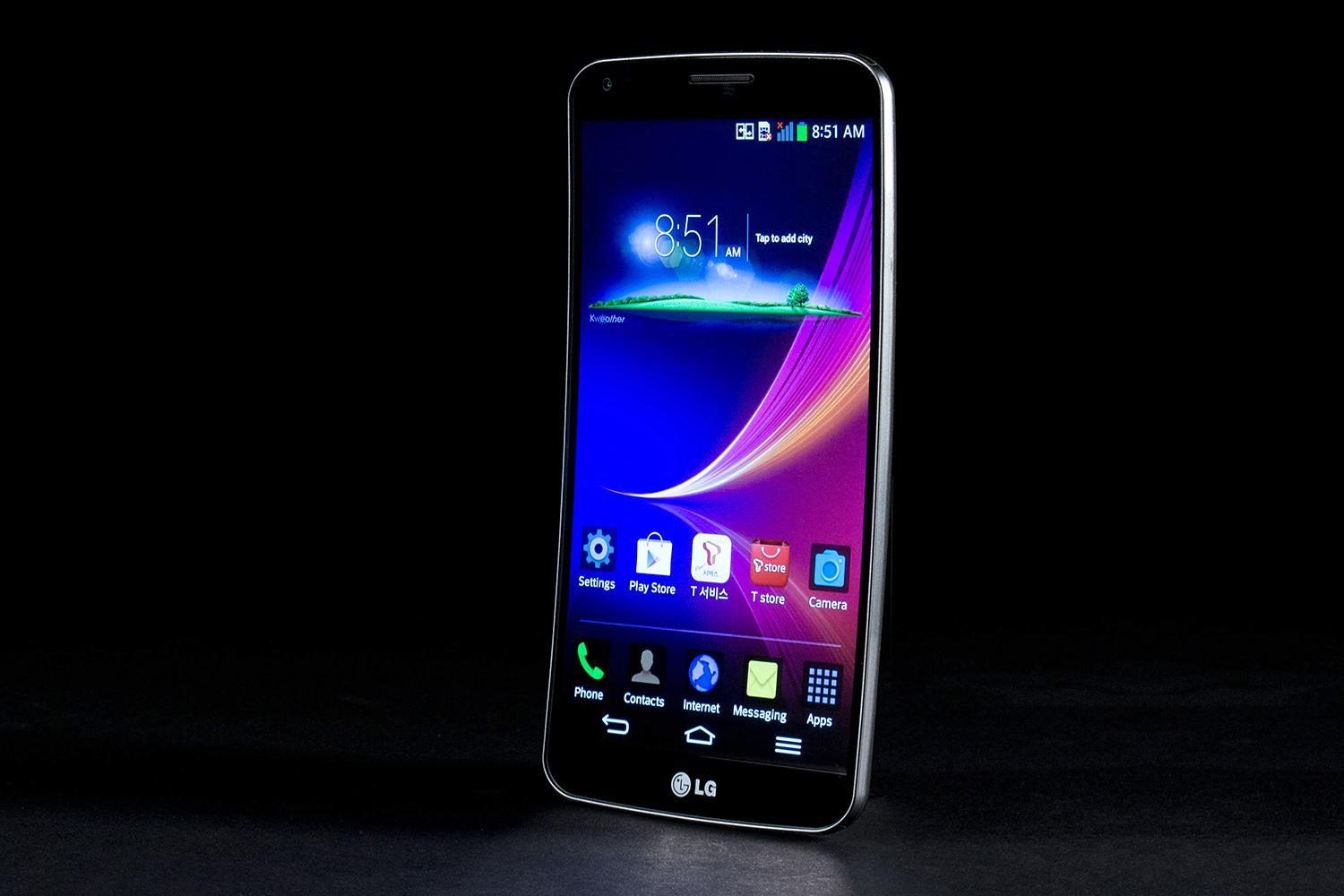
Jump back in time to 2013, and whoa, LG predicted the future! But in typical LG fashion, it went and predicted it slightly wrong. Curved displays were the future yes, but not like this. But no matter, because the LG G Flex is still one of the coolest smartphones around, and largely unparalleled even today.
These days, phones with curved screens are nothing odd. Heck, we’ve even moved on to folding phones with entirely foldable displays — but in 2013, a curved screen was something quite incredible, and the LG G Flex stood largely alone because of this. While phones like the Galaxy Nexus had used curved screens before, we’d seen nothing on the level of the size and curve of the G Flex.
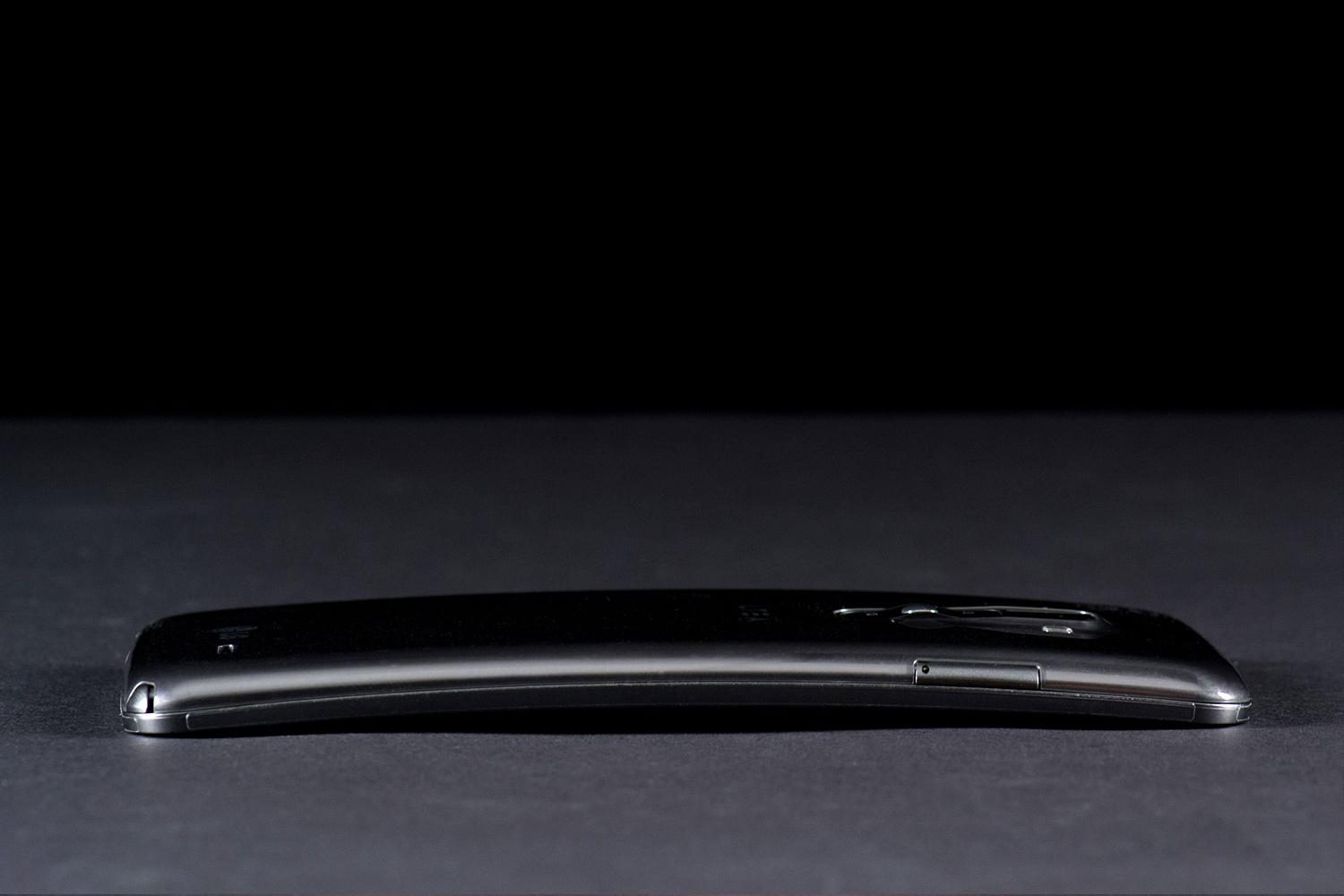
It was actually a very good phone as a result. At the time, a 6-inch display was something large and unwieldy, and phones like the Galaxy Note 3 were seen as almost too-big. The G Flex sidestepped that with its curve, which helps it sit comfortably in your hand even helps when it’s being held by your face. Oddly, LG also decided to move the phone’s buttons to the rear of the device, a wild idea even now.
Ultimately, the LG G Flex was a really good phone, as it packed in top-tier power (for the time) and two to three days of battery life, which would be impressive even today.
But strap yourself in, because here’s where things start to get really weird.
Two screens for the price of one: LG G8X ThinQ Dual Screen
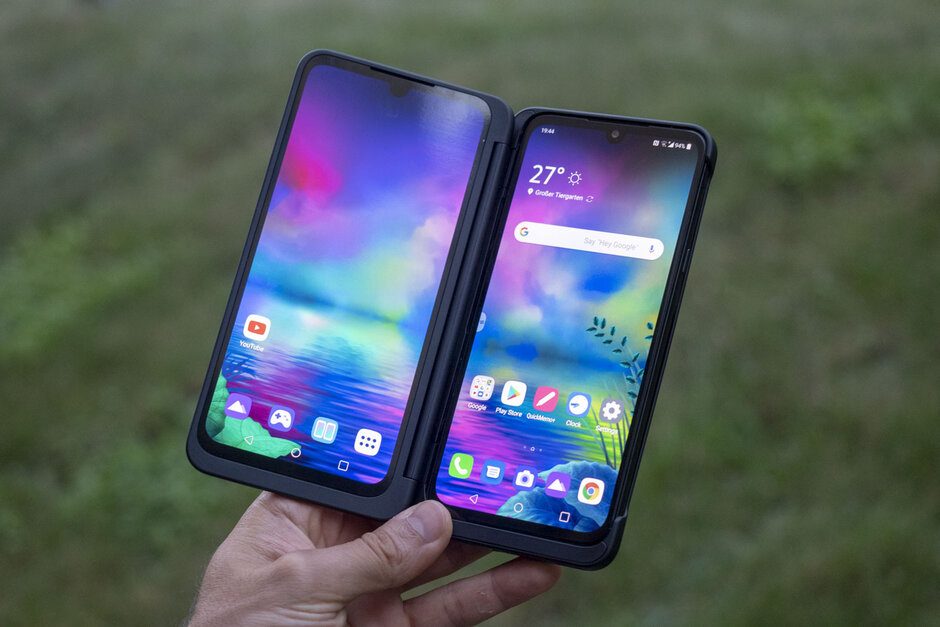
The LG G8X ThinQ Dual Screen might not be the apex of LG’s weird design, but it was certainly the peak of LG’s naming conventions. I mean, just look at the absolutely horrific name this poor phone was stuck with.
In LG’s defense, the LG G8X packed a lot into it to deserve the hyper-appellation (as long as you ignore the “ThinQ” part, anyway). Not only was it a solid flagship phone in its own right, but the G8X came with a second display. This second display clipped onto the side of the actual phone using a case, and functioned as a proto-folding phone of sorts. And it worked too — while it didn’t have a huge amount of support, it did offer some actual benefits, and at the price of $700, it was almost three-times less than its chief competition, the first generation Samsung Galaxy Fold.
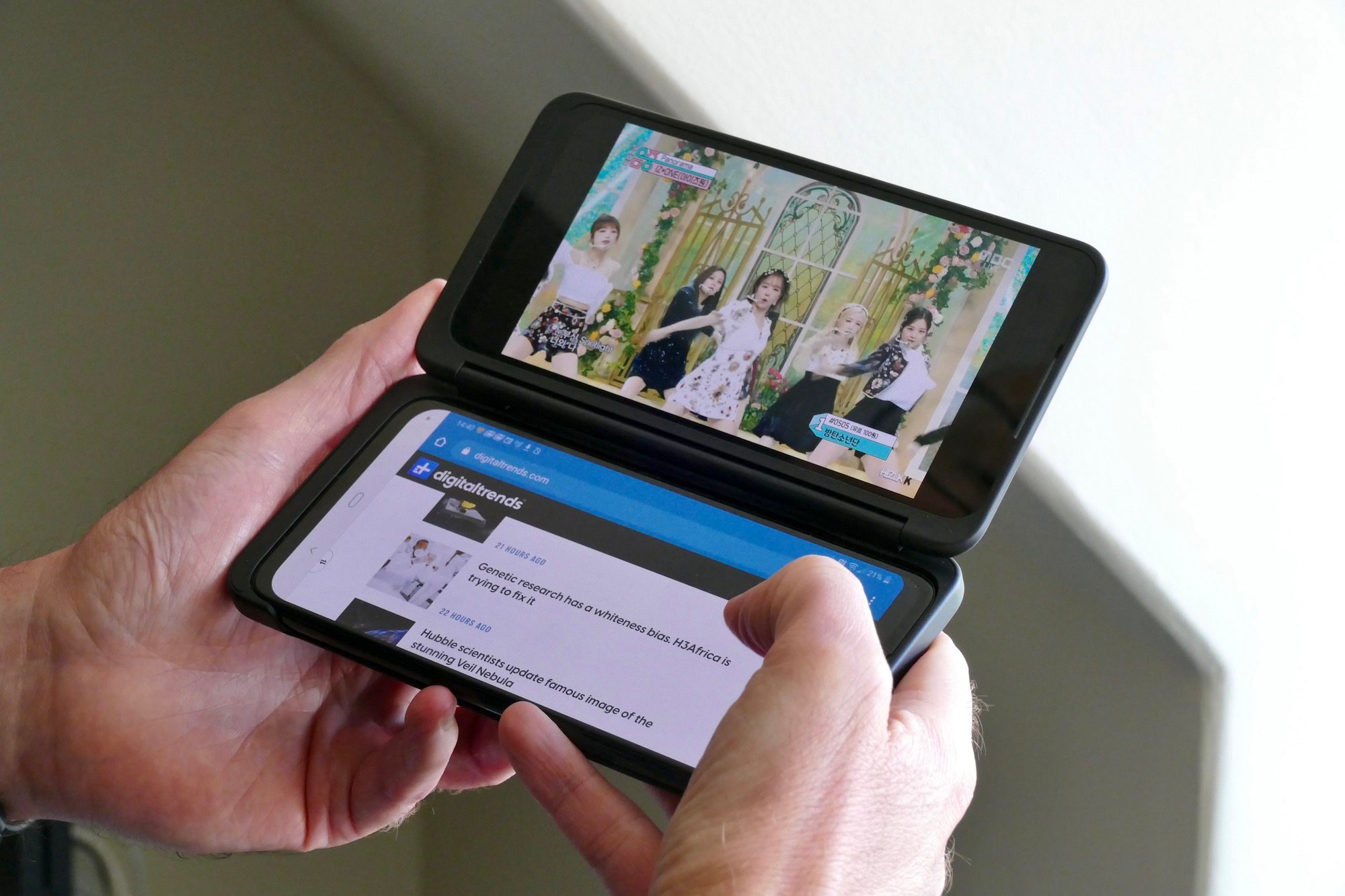
So what went wrong? Well, along with arriving towards the end of LG’s time as a mobile manufacturer, the LG G8X simply didn’t offer enough. By itself the G8X was a bit boring, and while the Dual Screen could hardly be accused of such, it was massive and didn’t do enough to justify all that extra heft and displaced space. Plus, while the Galaxy Fold may have been a little bit rubbish, it was a technological marvel that showed where the future was going, and as a result, the Dual Screen already seemed obselete shortly after launch.
But don’t worry, LG still had one ace up its sleeve — and while it may not have been anywhere close to enough to save the division, it was a fittingly insane swansong for LG Mobile.
Still bonkers: LG Wing
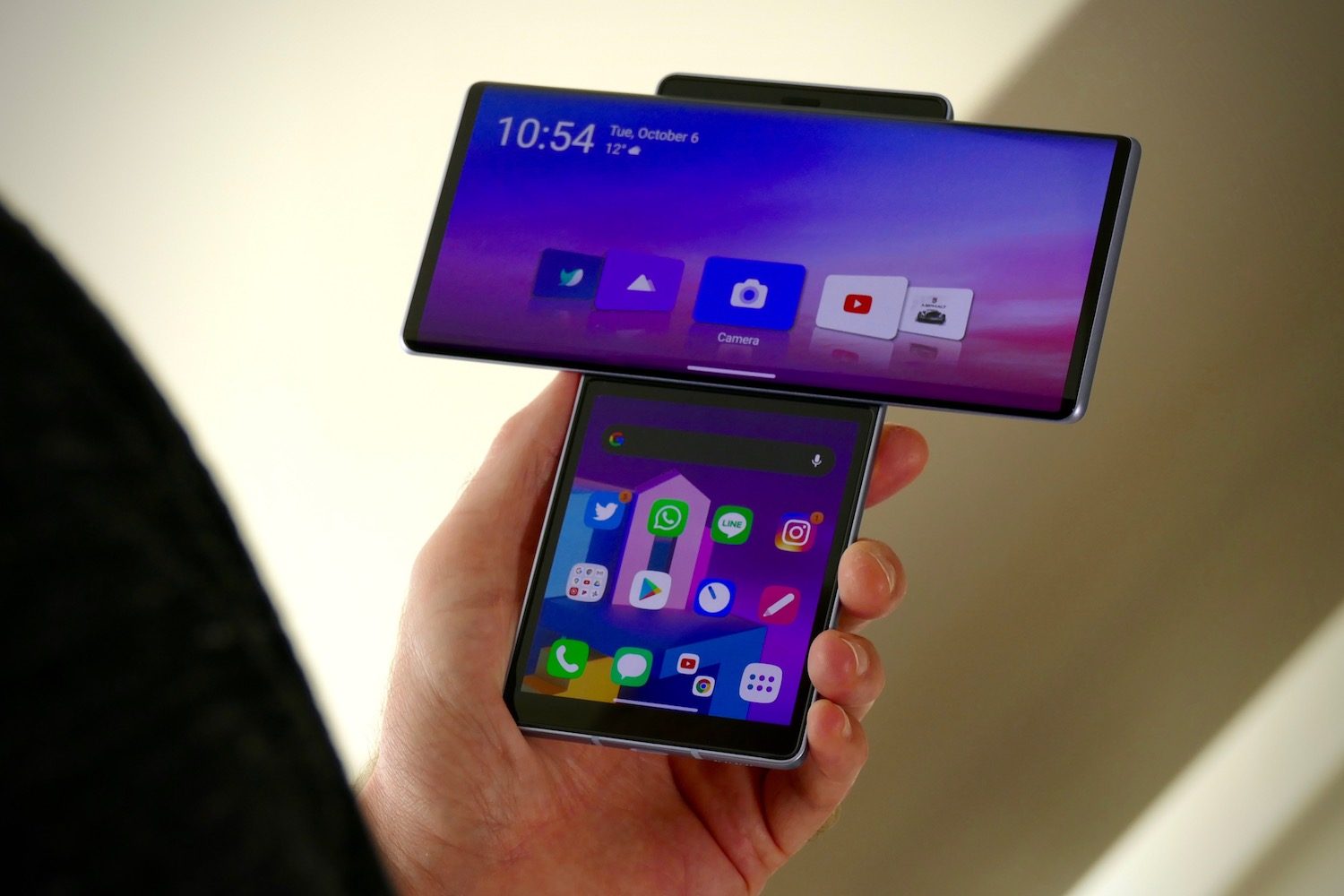
Just look at it. Look at it. The LG Wing is a truly and impressively bonkers piece of kit. The culmination of LG Mobile’s decades of design experience, the Wing draws heavily from LG’s past experience with sliding dumb phones, while also being unwilling to let go of the idea of having more than one screen.
The LG Wing looked just like a regular phone; until you pushed slightly on the bottom of the display, and the entire panel swivelled around to sit in a T shape and reveal a smaller display underneath. It was incredibly well built, and the mechanism felt fantastic, but ultimately, there wasn’t actually all that much to do with the display once it was out. Unlike the Galaxy Z Fold 2, most content didn’t adapt to the T-shaped display, and it meant its uses were sadly few.
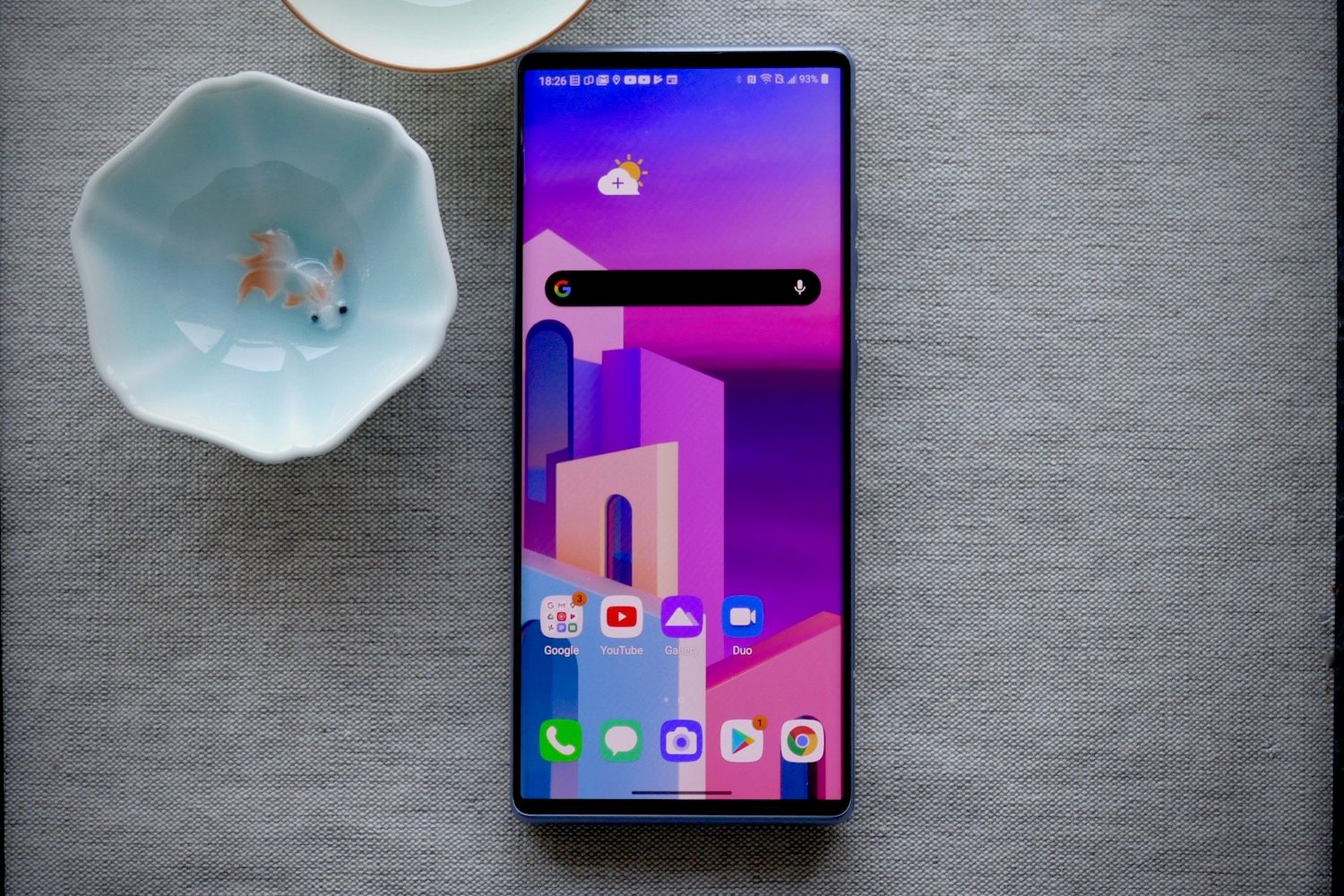
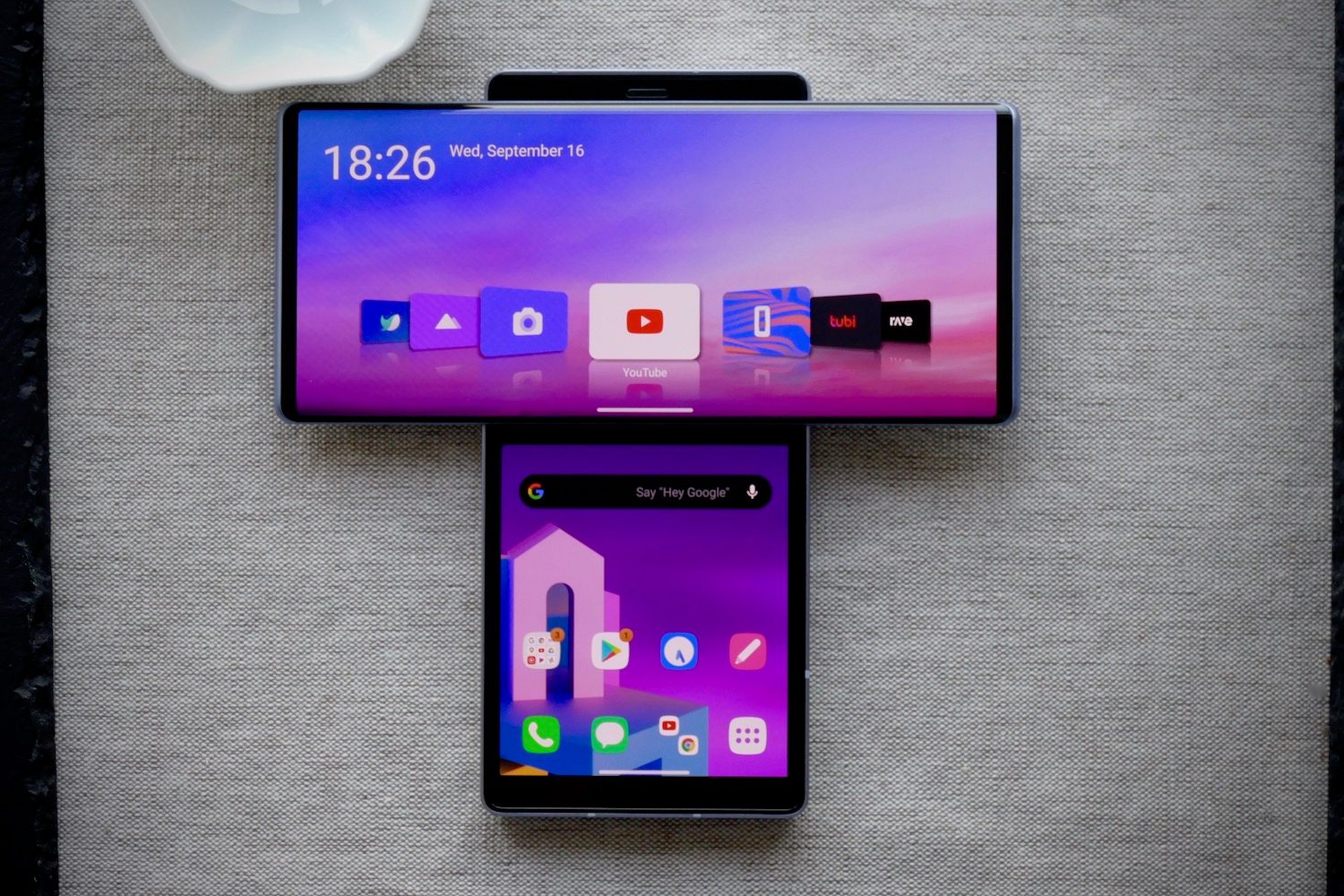
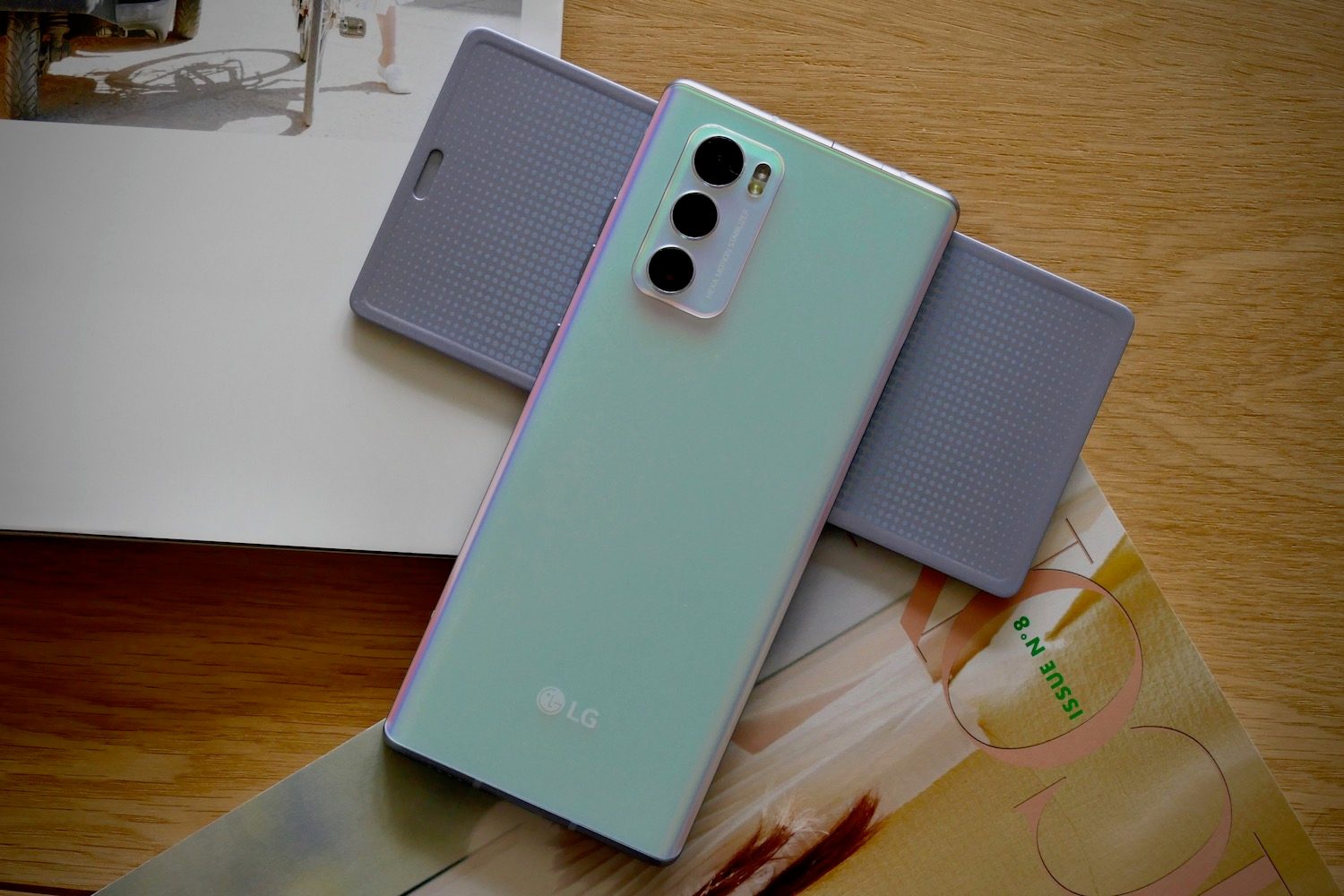
To LG’s credit, the Wing fixed a lot of the problems with the LG G8X ThinQ Dual Screen. For one, the name was much smaller, a relief for tech writers everywhere, but more importantly, the bulk was reduced. It was still noticeably different from a usual phone though, being over 10mm thick and 260 grams in weight. Yes, it wasn’t as thick or heavy as the Galaxy Z Fold 2, but it wasn’t that far off, which should have been a warning for LG from the beginning.
The LG Wing was innovative, technologically advanced, and extremely well built. But was it a good phone? Unfortunately not, which in a lot of ways, makes it stand out even further from the other phones on this list. Perhaps it could be said that the LG Wing was an LG too far, but sadly, the writing was already on the wall for LG even before the Wing was released, and the company didn’t last much longer.
Was I surprised when LG Mobile shut down? Absolutely not, it was clear it wasn’t doing all that well for years before it finally shut down. But I still miss it, purely as a manufacturer that’s willing to create some truly bizarre smartphones. While innovation hasn’t stalled by any means, most major manufacturers like Apple and Samsung are happy to release similar-looking smartphones year-after-year. Yeah, they’re almost always better, and the software and hardware improves all the time, but where’s the joy, where’s the insanity? Whenever LG launched a new phone you knew you were about to come across something incredibly boring, or incredibly bizarre, with seemingly nothing in between. And I miss that dedication to the extremes.
The smartphone world feels a little boring without LG, and I’ll miss it terribly for that reason.