The worlds of smartphones and cars have long been colliding, as Google and Apple have prioritized building new experiences with CarPlay and Android Auto, respectively, even as carmakers have continued to develop their own infotainment experiences.
Despite the success of Apple CarPlay and Android Auto, both platforms have key issues, namely that they run on top of the car’s operating system, which means they lack the tight integration that yields the best experience and rely on your phone for certain functions. To address these issues, both companies have also been developing operating systems that can power cars.
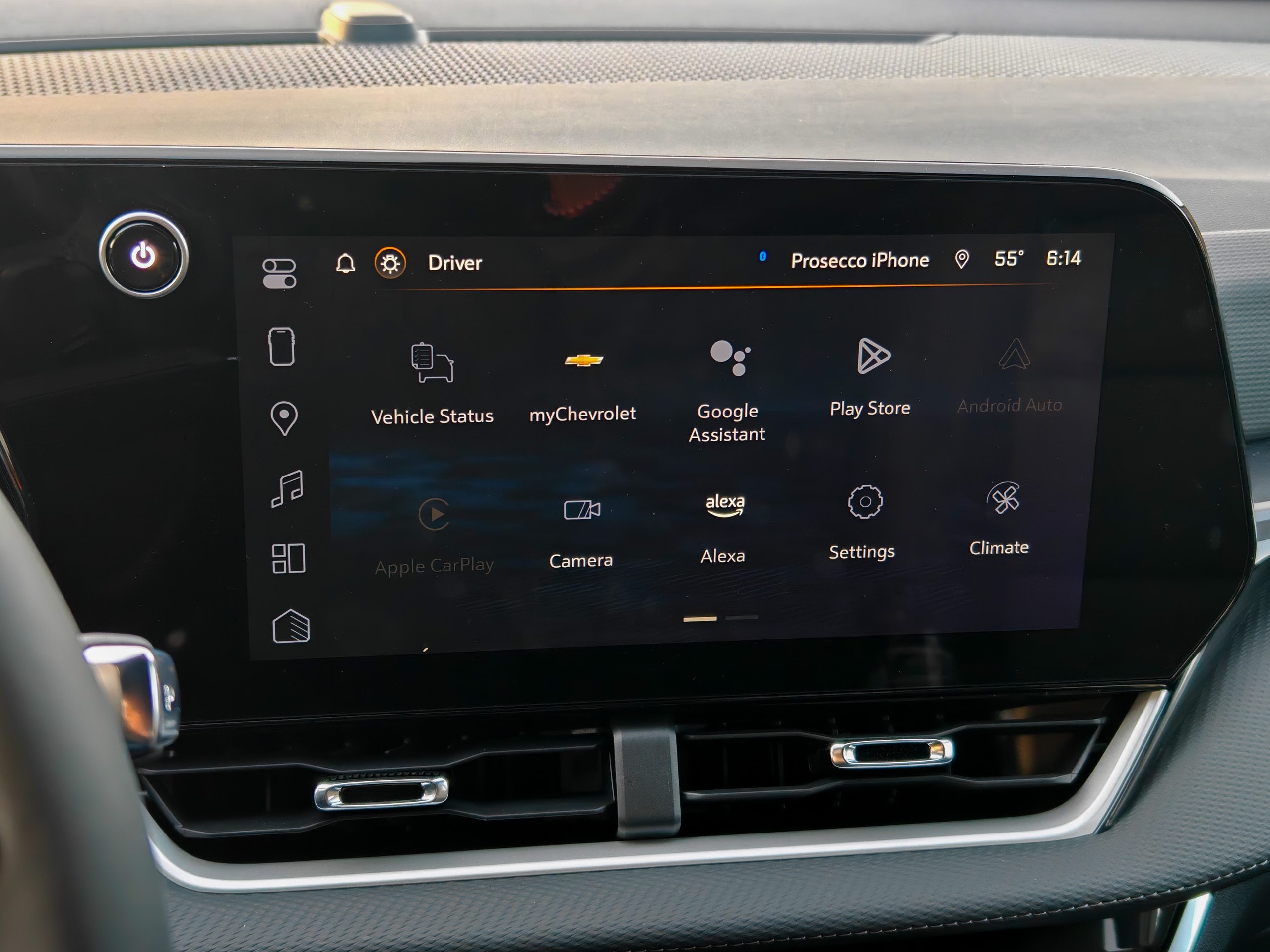
Google’s answer is Android Automotive, which enables carmakers to expand on Android Auto by offering key experiences directly within the car’s operating system. I recently rented a Chevy Equinox powered by Android Automotive, and after driving over 500 miles with it, I’ve fallen in love with Google’s Car OS. Here’s why every car should use it.
Decoupling from your phone is the ideal solution
I love CarPlay and Android Auto, but I’ve always disliked that they ultimately require your phone to be connected to the car. Many carmakers haven’t fully adopted wireless Android Auto yet, which means you still need a cable in the car. Unfortunately, using the wrong cable can cause your phone to disconnect while driving, and I’ve experienced this issue with many vehicles.
Android Automotive addresses all these issues by decoupling the smart services provided by your phone and integrating them directly into the car. This has several advantages that transform how you drive your vehicle.
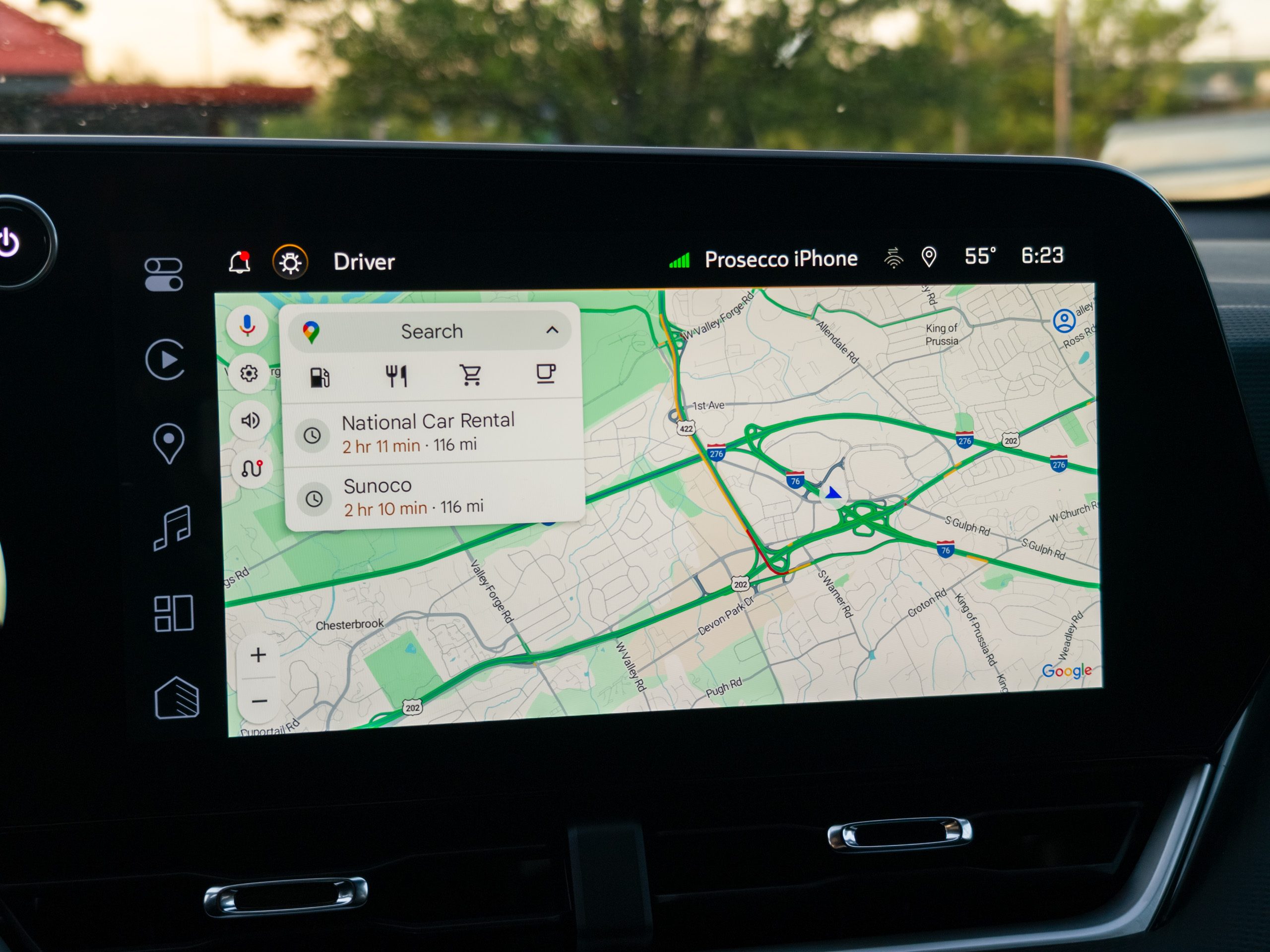
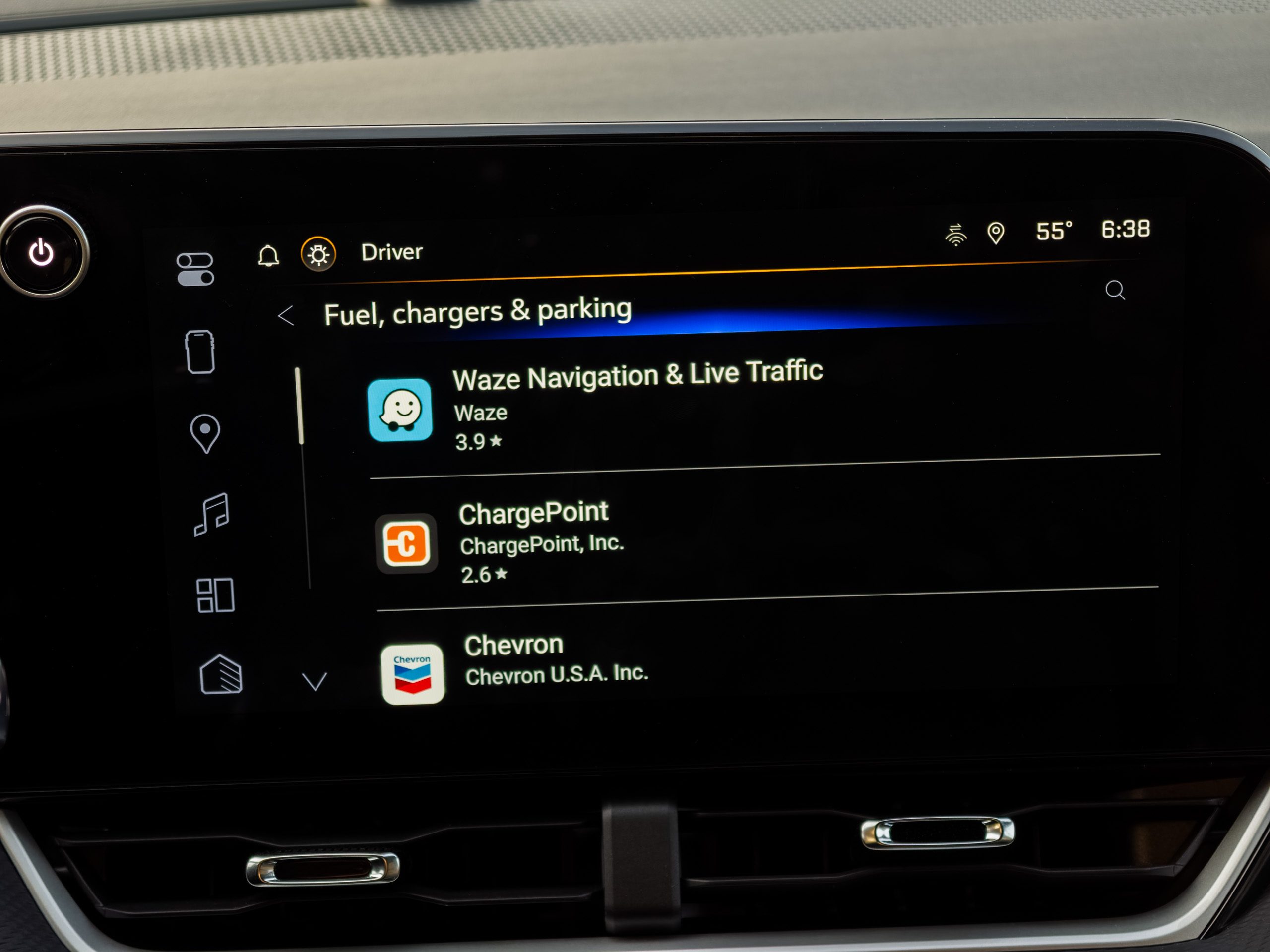
If you’ve tried to use a car’s native maps solution, you’ll know how inferior it is to Google Maps or Apple Maps, but Android Automotive comes with Google Maps as default, complete with live traffic alerts and your maps history. Similarly, there’s native support for Waze, if that’s your preferred mapping solution.
Imagine what would happen if your phone battery died because your cable stopped working, while you’re navigating to an unfamiliar destination. Without Android Automotive, you are at the mercy of the car’s native maps and how up-to-date those maps are, but with Google’s car OS, you can continue to your destination as if nothing happened. It’s a big change, and it reduces one key friction factor by ensuring that you always know where you’re going.
Google Assistant integration
Another key issue with Android Auto has always been that voice control features are limited to the features of your phone. There’s nothing worse or more dangerous than taking your eyes off the road, even briefly, to adjust a car’s thermostat or fiddle with the stereo, especially if it’s a rental and you aren’t familiar with that car’s features.
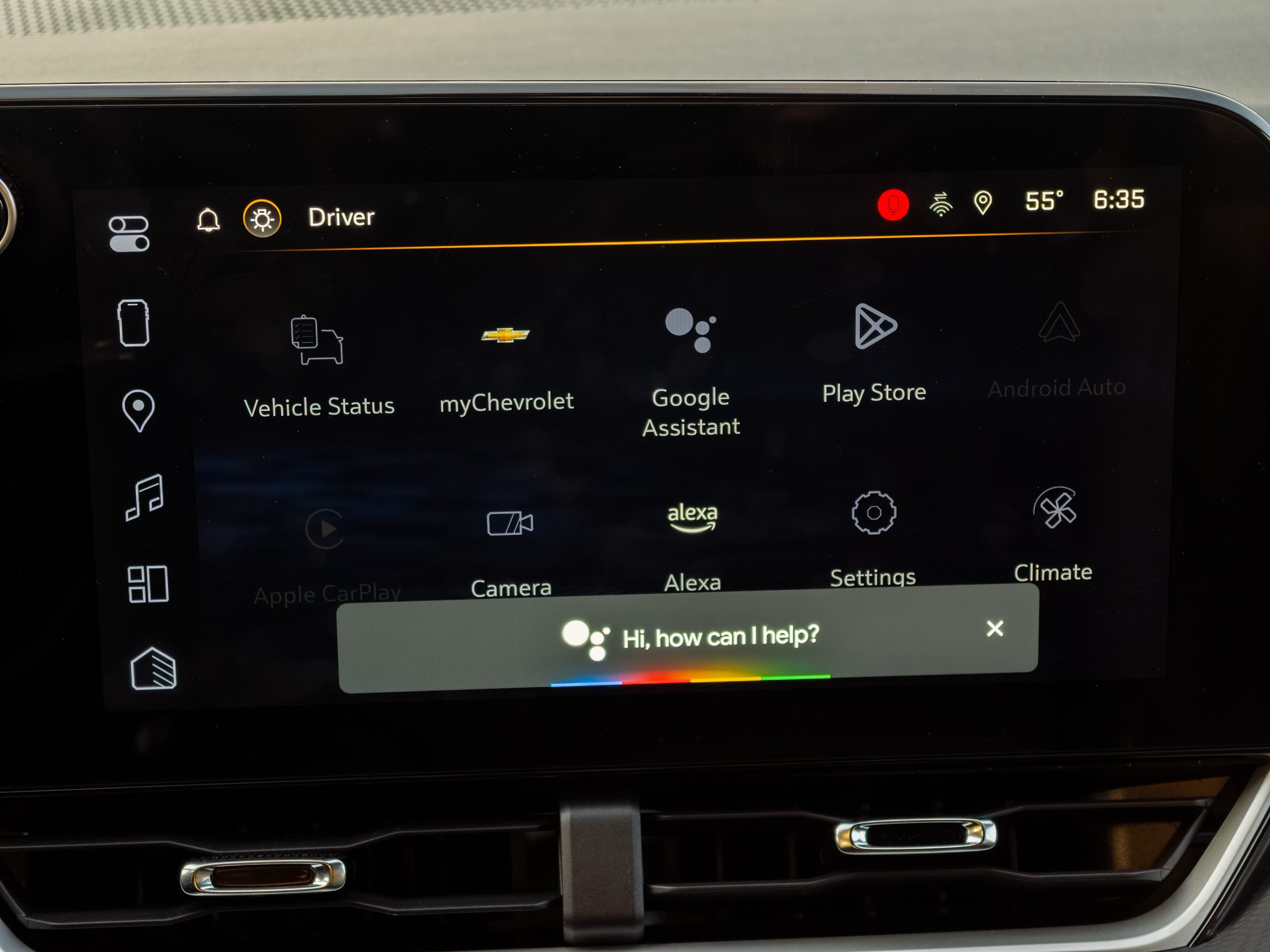
Android Automotive solves this with Google Assistant integration. Google is widely expected to bring Gemini AI to your car soon, with an update anticipated at Google I/O 2025 later this month. However, Google Assistant works exceptionally well in my rental car and is an ideal way to ensure a safe drive.
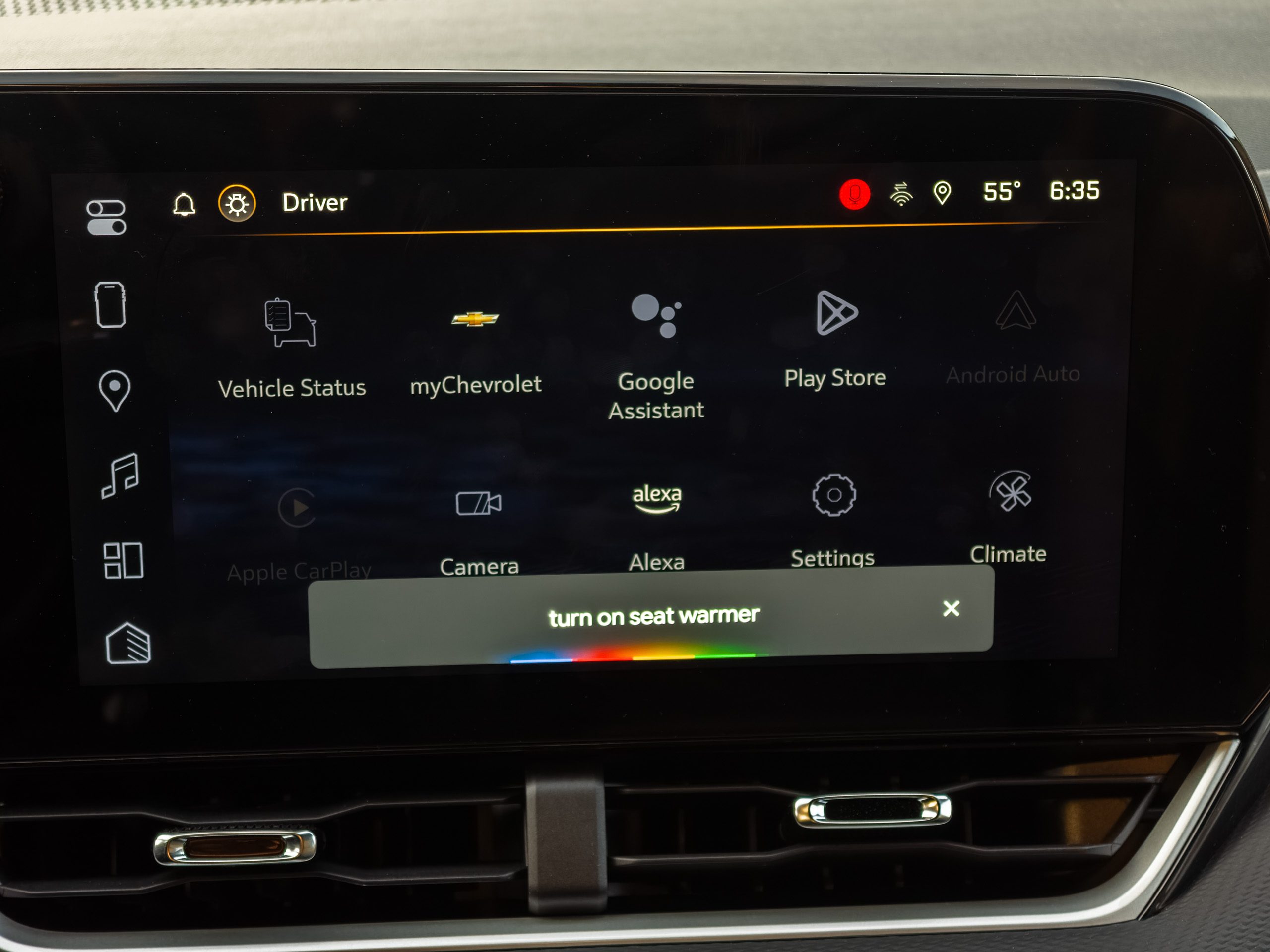
From a button on my steering wheel, I can control all the features on my phone like with Android Auto, but I can also control the car itself. This includes setting the thermostat’s temperature, turning on seat heaters, adjusting the wipers, and many more features. I’ve set alarms, asked it to tell me jokes, and even take notes that are saved in Google Keep.
Google Assistant is the perfect virtual copilot for long drives, as long as it’s connected to the internet. I had to pair my rental car with my phone’s hotspot, but it’s likely that if you buy a car powered by Android Automotive, your carmaker will also offer a connected plan so you don’t need to do this. Maps and some voice commands still work entirely offline, but for other features, you’ll need an internet connection.
Support for third-party apps, Chrome, and the Play Store
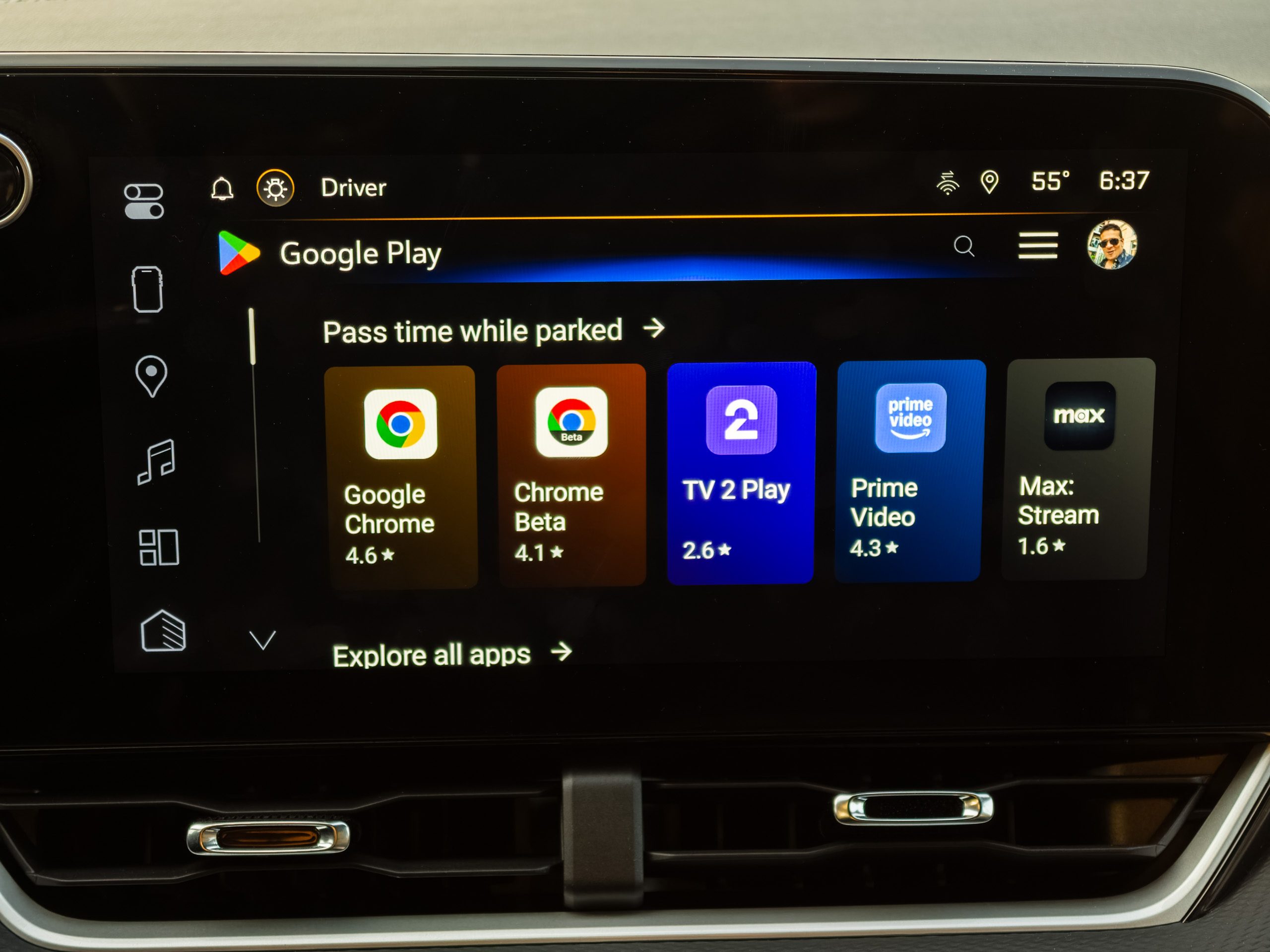
Another compelling feature is the Google Play Store. Yes, this isn’t new, and there’s little difference between the apps available in Android Auto and Android Automotive. However, by embedding them into the car’s operating system, I can also access these optimized apps even when using an iPhone, without needing to install them on my phone.
Integrating apps like Google Maps into the car’s operating system also means that it can utilize valuable vehicle data, such as range or the tank’s fill level, and incorporate charging or gas stops into your journey. Tesla does an exceptional job of building this into its mapping system, but this was sorely lacking in Android Auto; thankfully, Android Automotive brings the same experience to any car powered by Google’s car operating system.
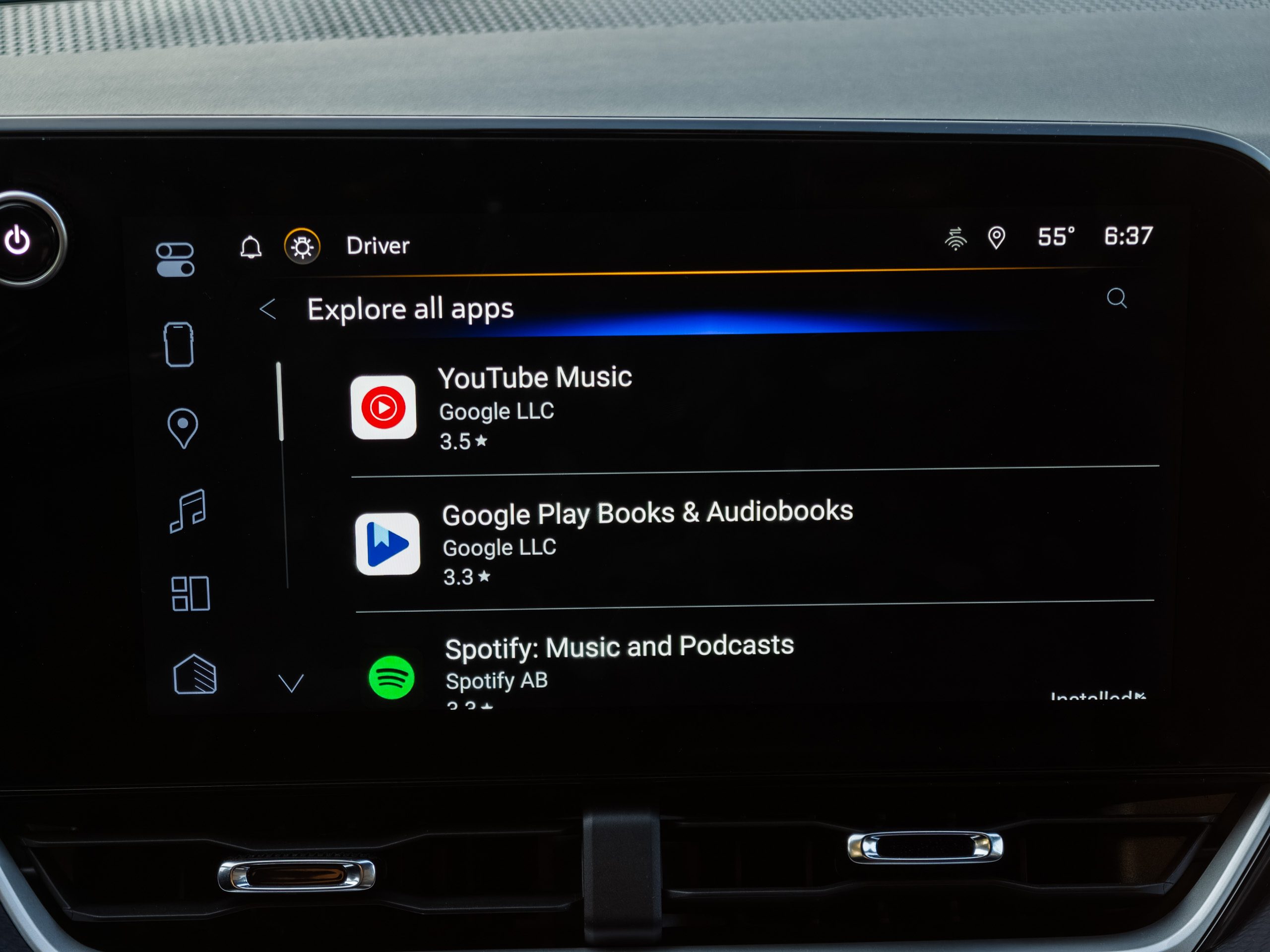
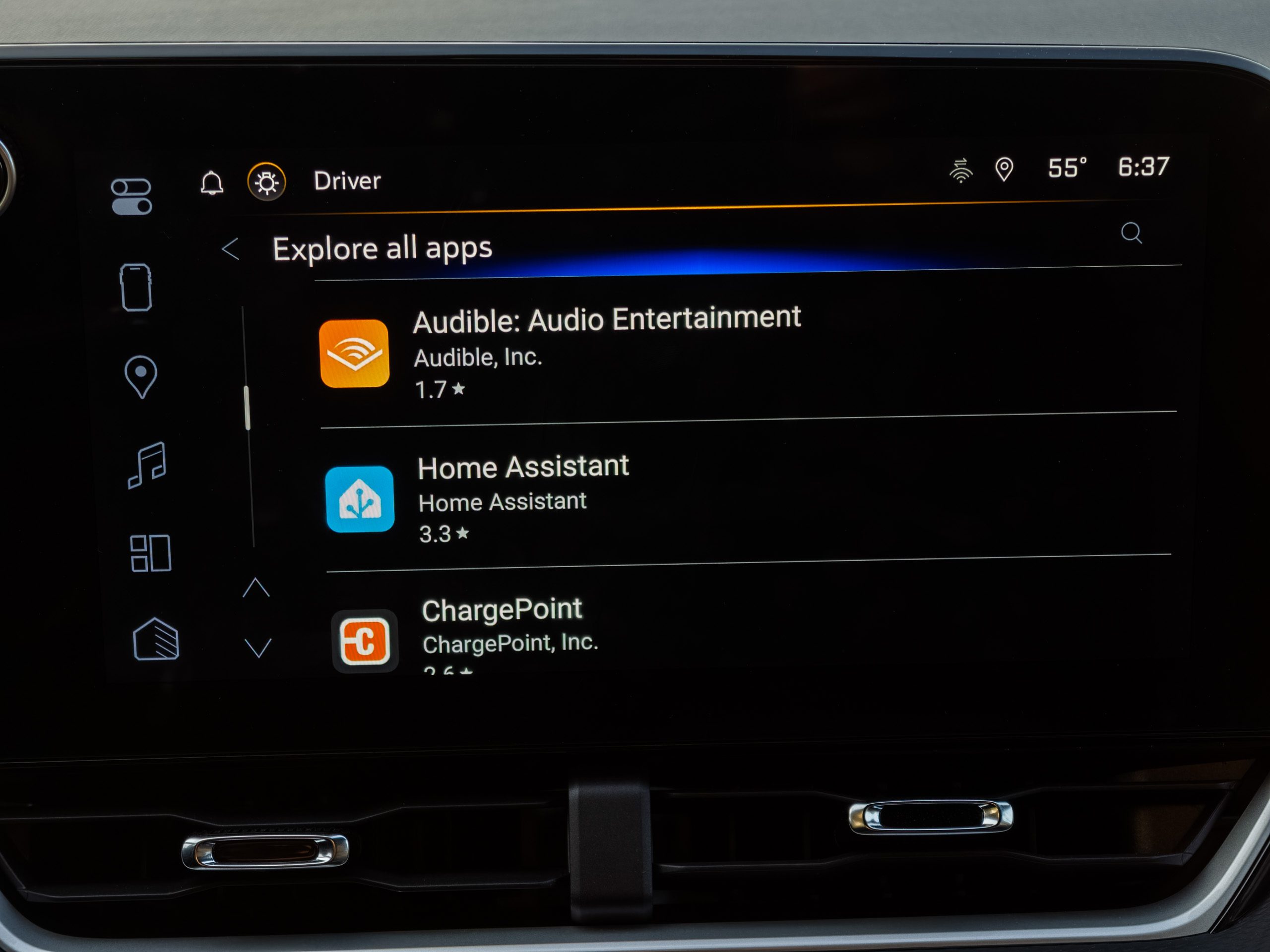
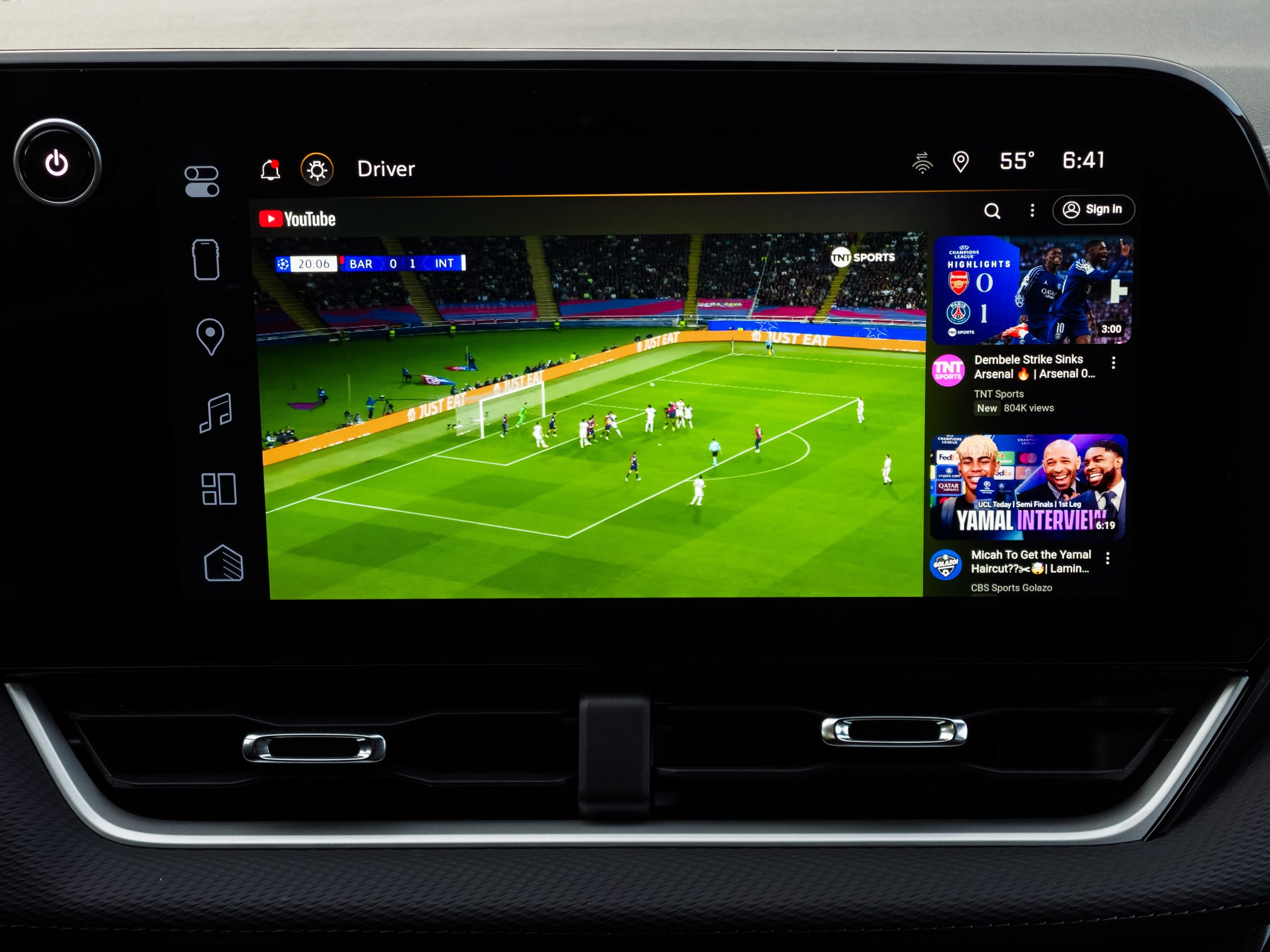
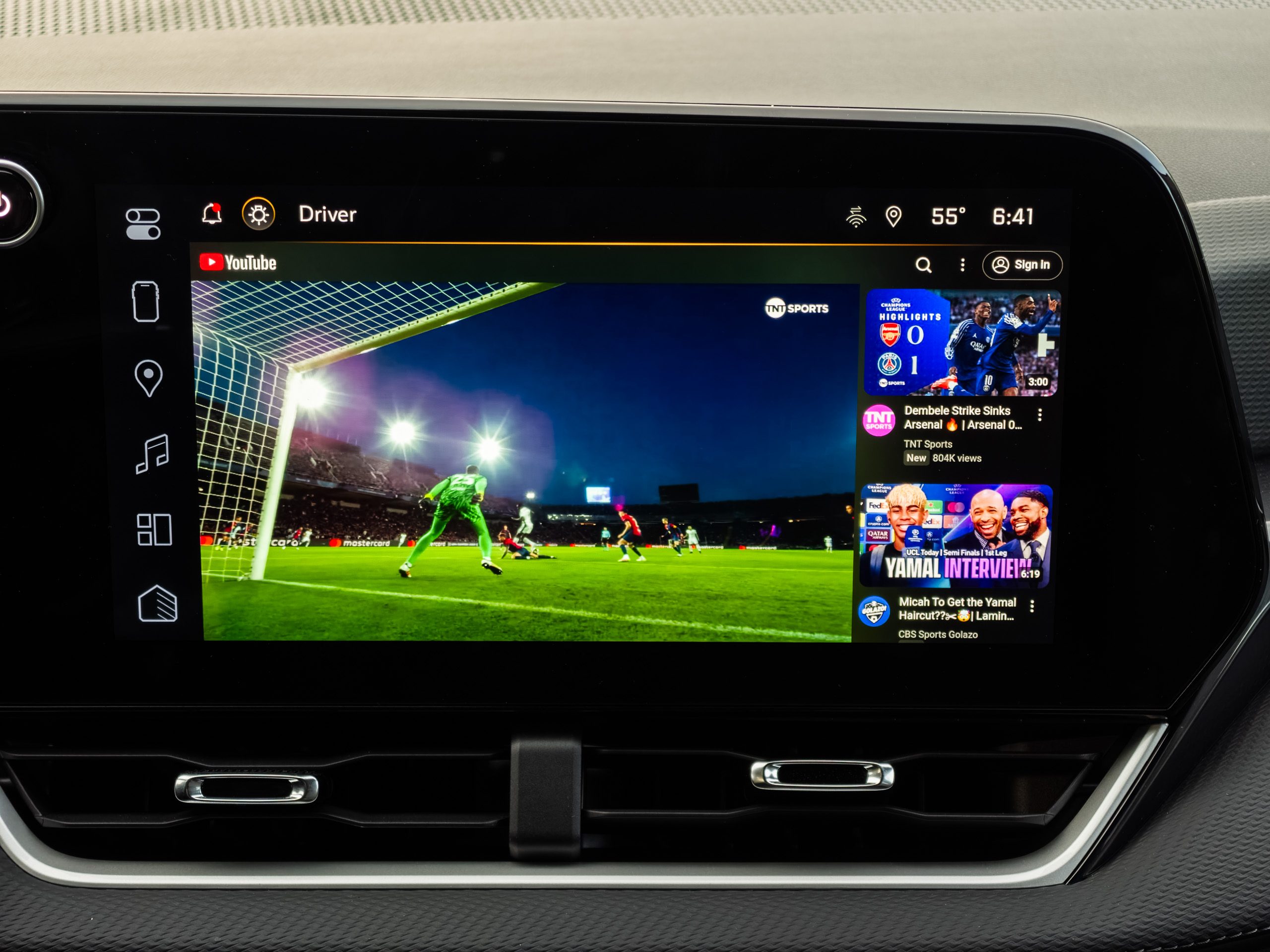
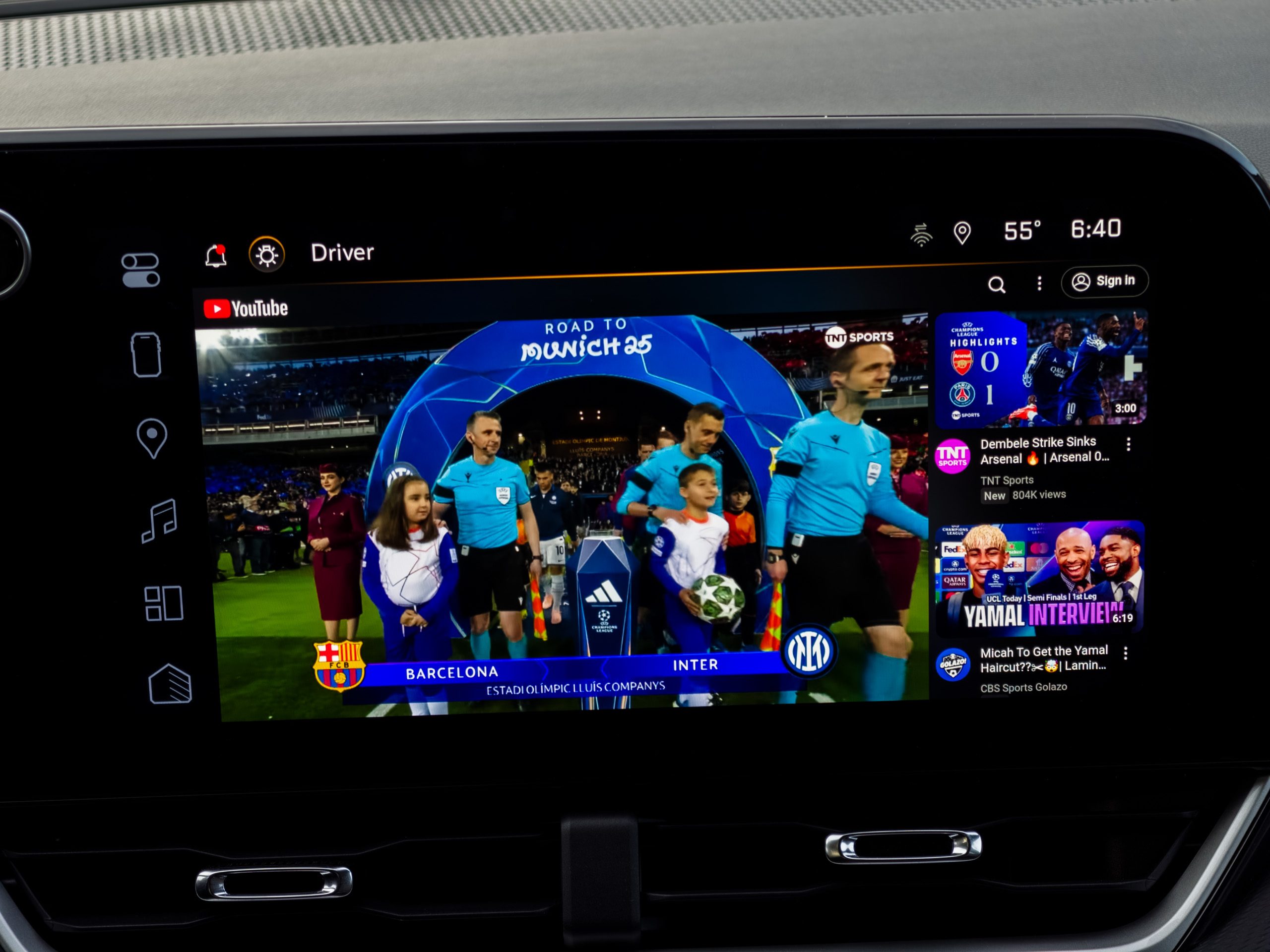
Then there’s support for YouTube, and I love it. Parked up waiting to pick someone up, taking a break on a long drive, or waiting for your car to finish charging? As long as the vehicle is in park mode, you can watch movies, shows, and videos on the car display, a far more enjoyable experience than using your phone’s much smaller screen.
I love it, but Android Automotive isn’t perfect
I have thoroughly enjoyed driving with Android Automotive, but like most things, the shift to a voice-first approach has its own pitfalls.
The main issue is that it overly complicates changing simpler settings in the car, although this could be a result of how Chevy has implemented Android Automotive into the Equinox. For example, rather than adjusting a stalk on the steering wheel, changing the settings for your lights requires navigating into the vehicle’s settings menu on the large display.
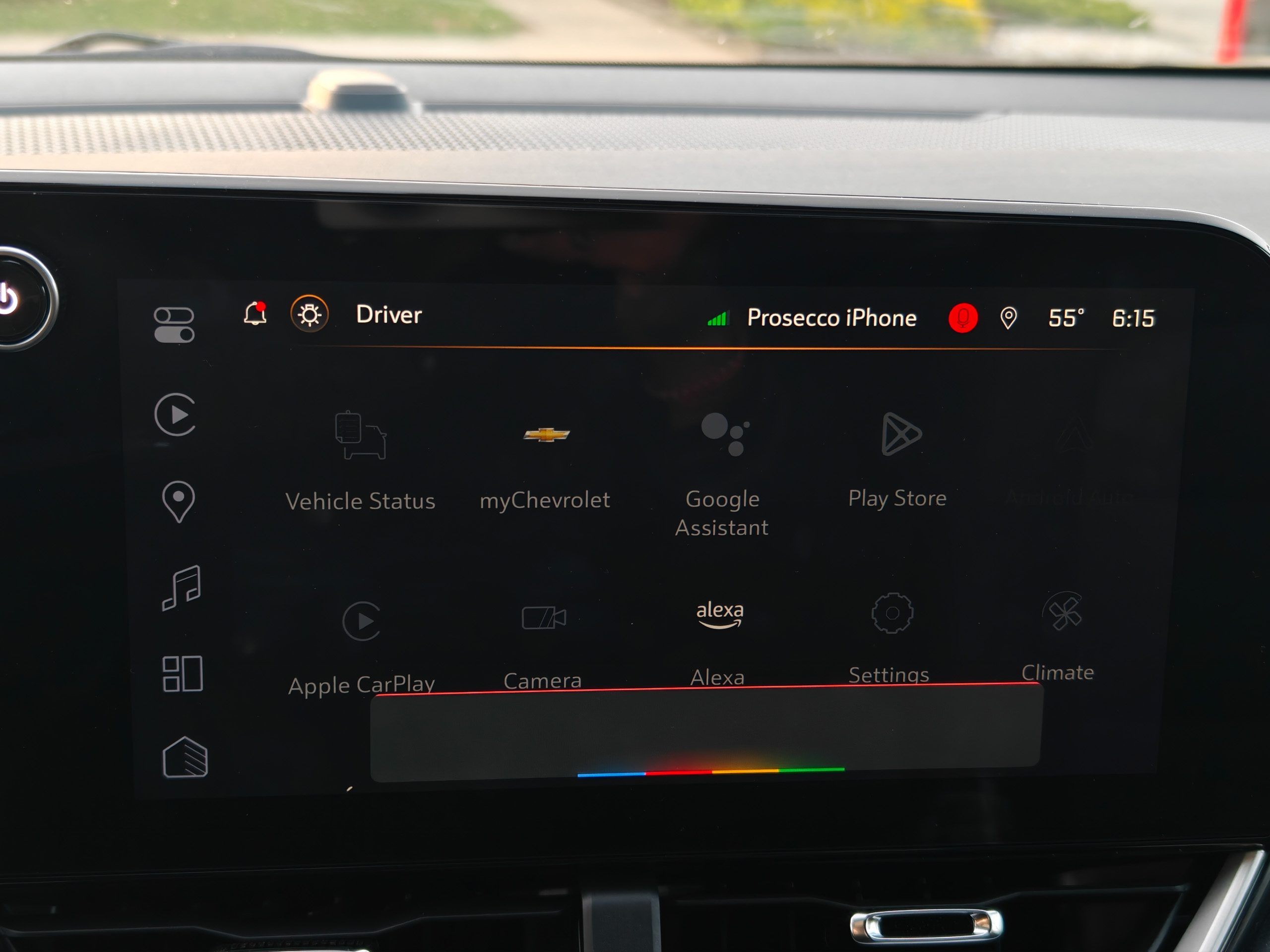
As we have all experienced, voice assistants can be quite inconsistent in recognizing commands and responding to them, and Google Assistant in Android Automotive is no exception. Most commands work fine, but I’ve found myself having to repeat myself occasionally, which can be quite frustrating, especially when trying to change a simple setting.
Lastly, a significant amount of data is being gathered by both Google and your car manufacturer. One of the benefits of Android Auto is that your Maps history is tied to your phone, not your car, which means that if someone steals your car (or you give it to a valet), they won’t have access to your home address or other important or frequently used locations. With Android Automotive, this information is stored on your car and can be viewed by anyone with access to your vehicle.

Despite its imperfections, my brief experience with Android Automotive has convinced me that Google’s operating system should power my next car. The benefits far outweigh the negatives, at least for me, and it’s become a must-have for any future vehicle purchase.