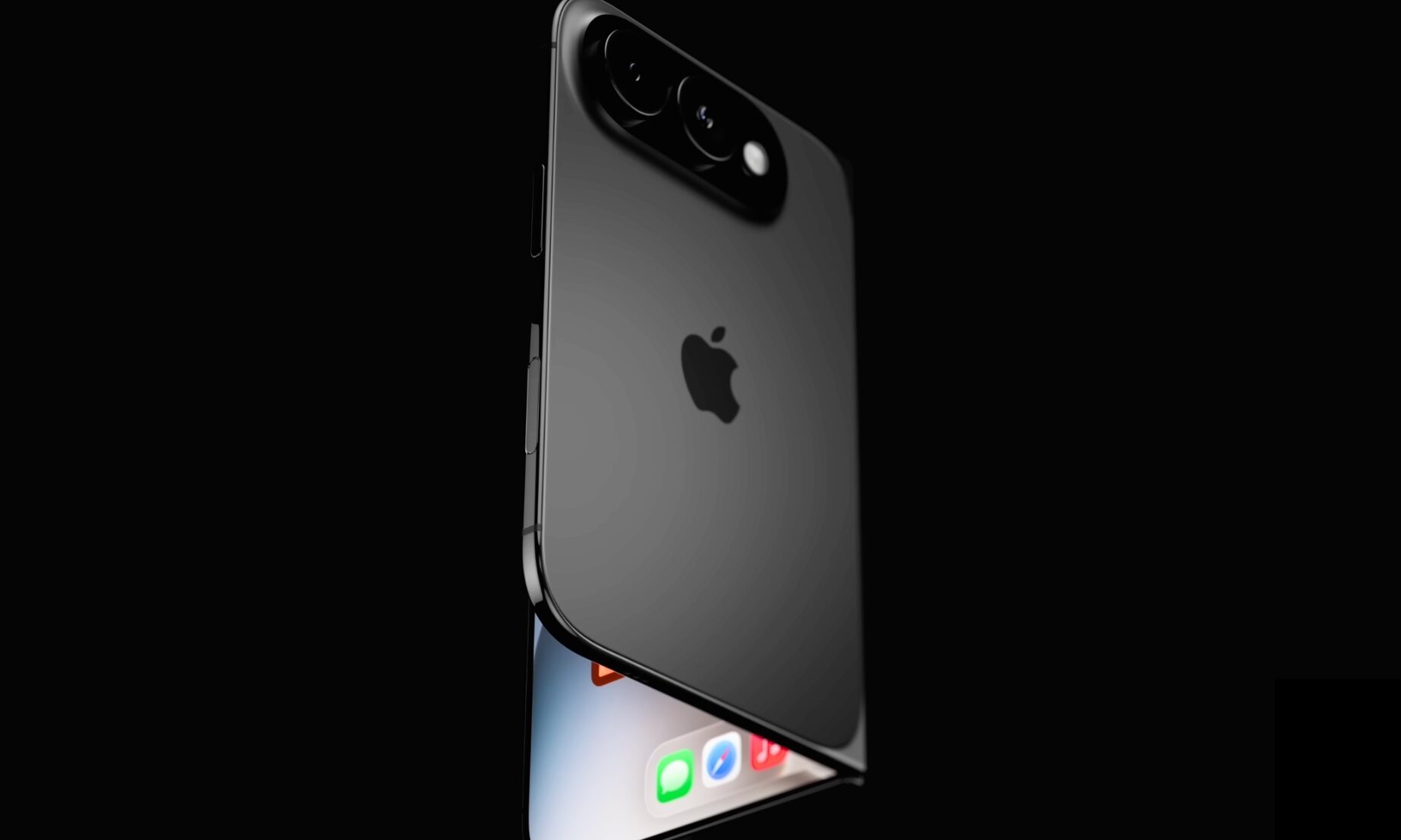
I’ve just downloaded Android 16 on my Pixel 9 Pro Fold. As someone who’s a sucker for a software update this should be a momentous occasion – so why am I feeling flat?
Whether it’s an update for one of my favourite apps, or a complete operating system overhaul, I love pouring over change logs to see what’s new and diving into features.
And with each new major software generation, there’s usually cause for personal celebration as I excitedly get to grips with the new offerings.
Yesterday, Google dropped the Android 16 update for Pixel owners, and I am a Pixel owner. So imagine my excitement. Yet it’s left me clamoring for iOS 26, at least initially.
Shiny and new
While Google has given us an incremental upgrade, Apple ushered in the biggest update to its platforms since iOS 7 back in 2013, some 12 years ago.
It’s no surprise there was plenty for Apple to show off during its WWDC 2025 keynote on June 9, with its all-new Liquid Glass redesign taking center stage.
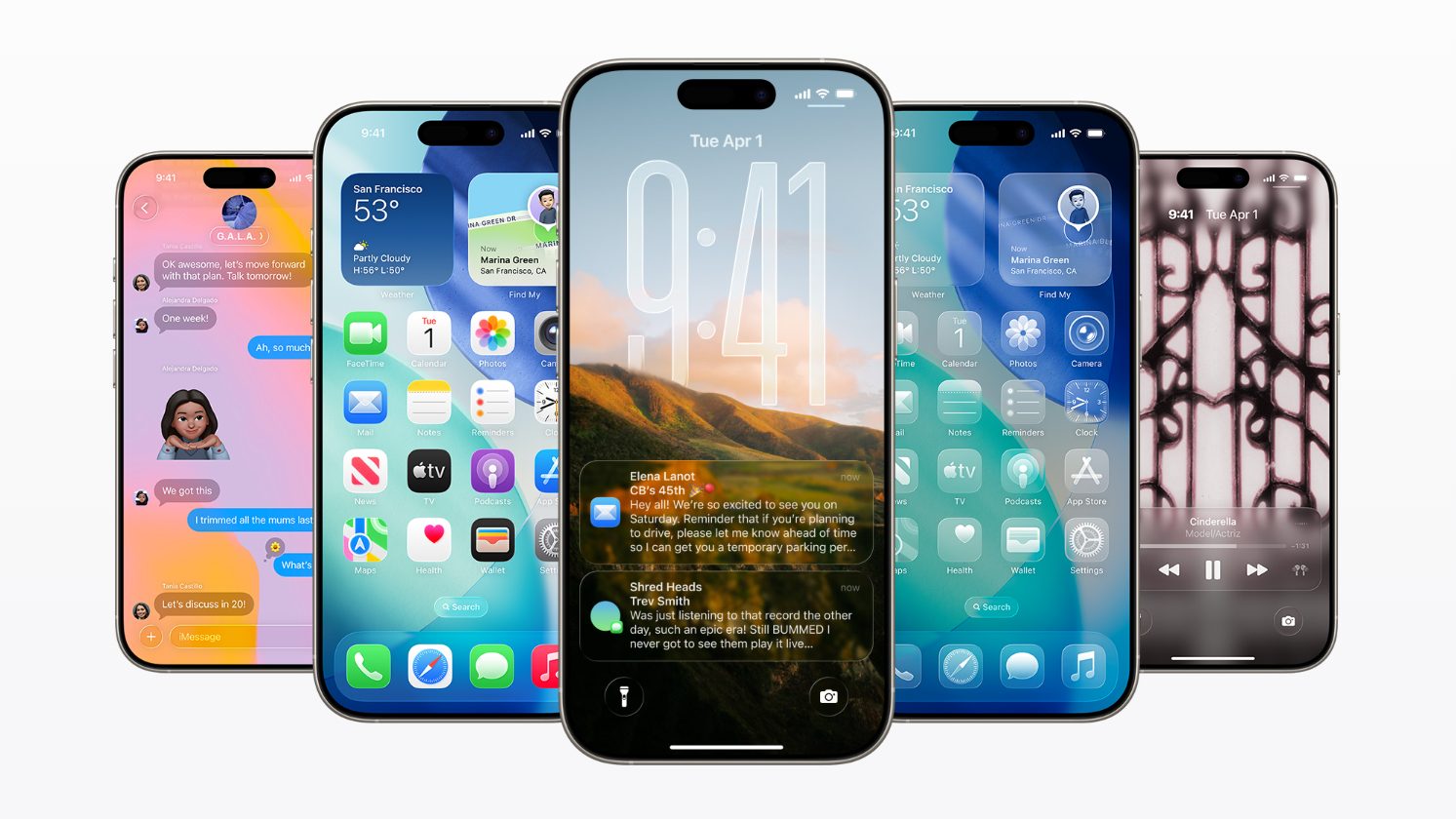
It’s instantly going to make your iPhone (and iPad, Mac, Watch and Apple TV) feel new and exciting when it rolls out in fall this year.
Android 16 meanwhile looks and feels exactly like Android 15. Skipping around the interface after the update had completed, there’s no obvious sign that I’m on a brand new version of Android.
I can’t expect a major cosmetic overhaul on an annual basis, it’s just not going to happen – but it makes it harder to appreciate what Android 16 has to offer when it visually seems like nothing has changed.
Even the Android Easter egg is essentially the same space roving mini-game we saw on Android 15 and Android 14. Gone are the days of the entirely unique Easter eggs for each new version.
Yet deep down, I know my disappointment is irrational.
Blinded by the Liquid Glass
I’ve been blinded by Apple’s new design for its software platforms, yet beyond the refreshed look what else is iOS 26 really offering?
The Live Translation features are certainly cool, with real-time translated subtitles in FaceTime and live virtual voice translation on phone calls, genuinely useful integrations of Apple Intelligence into everyday applications.
Updates to Genmoji and Image Playground will be fun for some users, but Android 16 brings its own custom stickers upgrade to the Gboard, so it’s not like iOS 26 is streaking ahead here.
The customization Liquid Glass provides iPhone users on the overall theme of their handset will be novel for those unfamiliar with Google’s platform – but Android and Android phone manufacturers have offered customizable themes for years.
Meanwhile, Apple’s Visual Intelligence updates appears to work in a similar way to Google Lens and Gemini Live, and a version of the new call screening and blocking features in iOS 26 has been available on Android for some time.
Yes, there are a number of smaller updates arriving with iOS 26 as well, some of which Android already has, and none of them are particularly revolutionary.

And I’m not saying Android 16 doesn’t offer anything new at all, and for some users the features which arrive with this update will significantly improve their experience with the platform.
I’m already enjoying the grouped notifications as my smart cameras at home deliver me a seemingly never-ending stream of alerts (better safe than sorry though, right), and I look forward to my next food delivery so I can track its progress in real-time with live updates.
While I’m extremely fortunate not to require the improvements Google’s made to hearing devices integration, I known this will be huge for hearing impaired users.
I’ve no doubt iOS 26 will be transformational for iPhone users who will likely feel new life has been breathed into their handset, but the reality for Android users is Apple has played catch-up in a number of areas.
Don’t fall for the glossy new look like I did, Android isn’t falling behind.