1. Home
  2. Computing
  3. Legacy Archives

Intel and AMD take another step into the future with perceptual computing

Add as a preferred source on Google
Image used with permission by copyright holder

What if you could navigate your tablet while cooking dinner by swiping your hands through the air? Or connect your computer to your display with a literal snap of your fingers?

Both Intel and AMD have teased this long anticipated future at CES 2013. Intel, which is lumping motion and voice controls under the term “perceptual computing,” showed a number of tech demos from the company’s labs. In one, a user playing “Where’s Waldo” with an eye-tracking camera, was able to “find” the famous character by pausing his gaze on the famous character. Another demo used hand movement to grab a companion cube in Portal 2 and move it on top of a button.

Image used with permission by copyright holder

A 3D motion-tracking camera made these demonstrations possible. Intel promised that it will be more affordable than Microsoft’s Kinect, and will work via a single USB connection (Kinect requires additional external power).

Recommended Videos

AMD showed a video with more practical implications at its conference. One short clip depicted a cook navigating a recipe on a tablet by swiping through the air. Another focused on media navigation via gestures. These features will be enabled on some systems shipping with the company’s latest A8 and A10 mobile APUs. No external camera is required.

Image used with permission by copyright holder

The technology is still rough, but it is improving rapidly. We’ve seen the promise of this through motion based controller’s like Microsoft’s Kinect, but they were just the first step. This is the next. We’re excited to see an alternative to touch and believe the backing of both major x86 processor companies – as well as numerous smaller companies on the show floor – could make perceptual computing the Next Big Thing at CES 2014.

Matthew S. Smith
Matthew S. Smith is the former Lead Editor, Reviews at Digital Trends. He previously guided the Products Team, which dives…
Deepfake bosses are crashing video calls, and researchers are trying to expose them
Seeing your boss on video no longer proves they are real
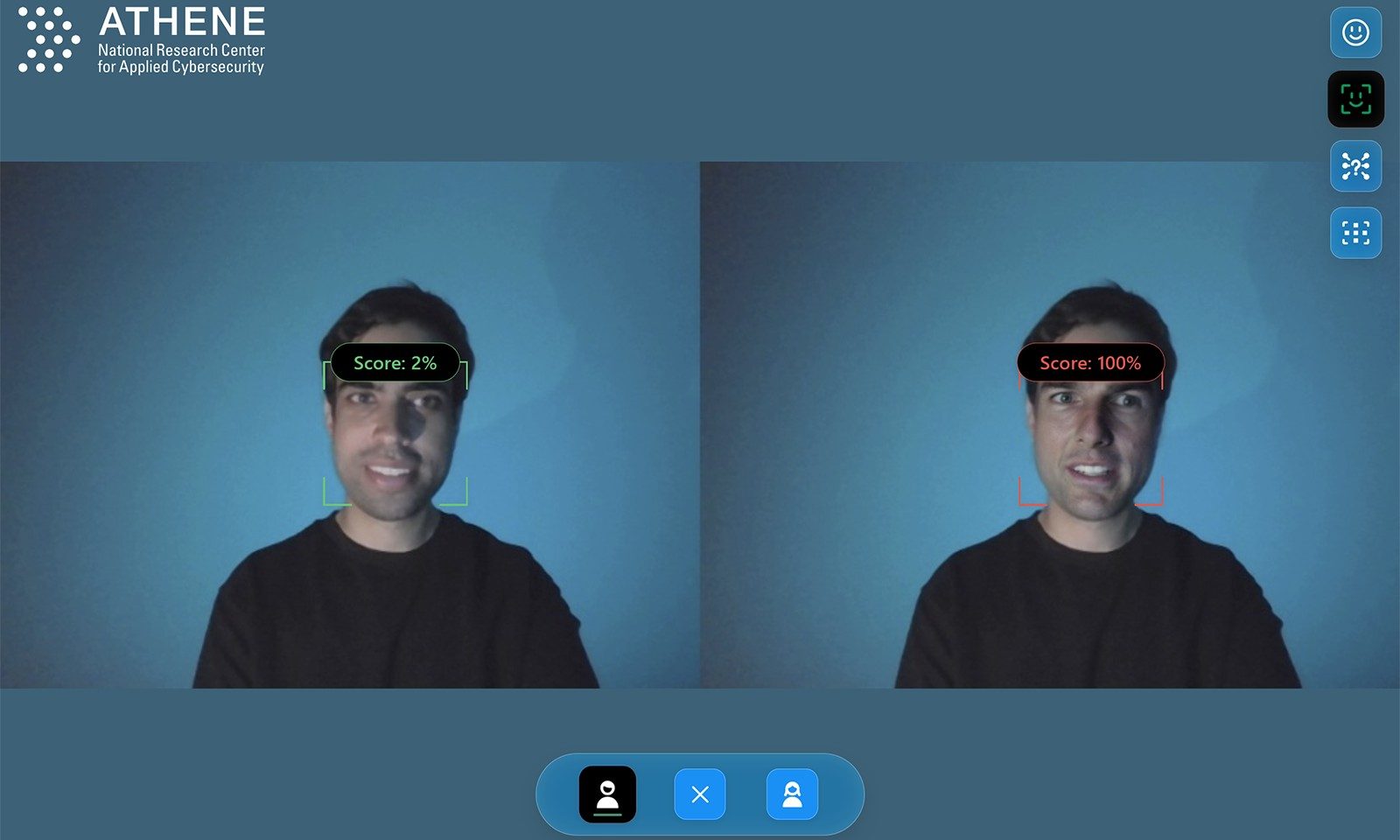
Researchers at Fraunhofer SIT are fighting against deepfake meeting video calls

Entering into a meeting with your boss and several familiar coworkers inside a video conference is the next area vulnerable to cybercrimes, and it's all because of deepfake technology. Researchers at the Fraunhofer Institute for Secure Information Technology SIT are working on a real-time warning system designed to identify attempted fraud during corporate video conferences.

The report states that criminals are increasingly targeting video meetings for identity theft and financial scams, taking advantage of the trust people place in familiar faces and voices. The intention is to flag suspicious activity while the meeting is still taking place. This gives an employee a chance to stop before following an expensive instruction from an AI-generated executive.

Read more
Apple will finally stop making iPhone-to-Windows copy-paste such a chore
Your iPhone may finally copy and paste with a Windows PC like it should
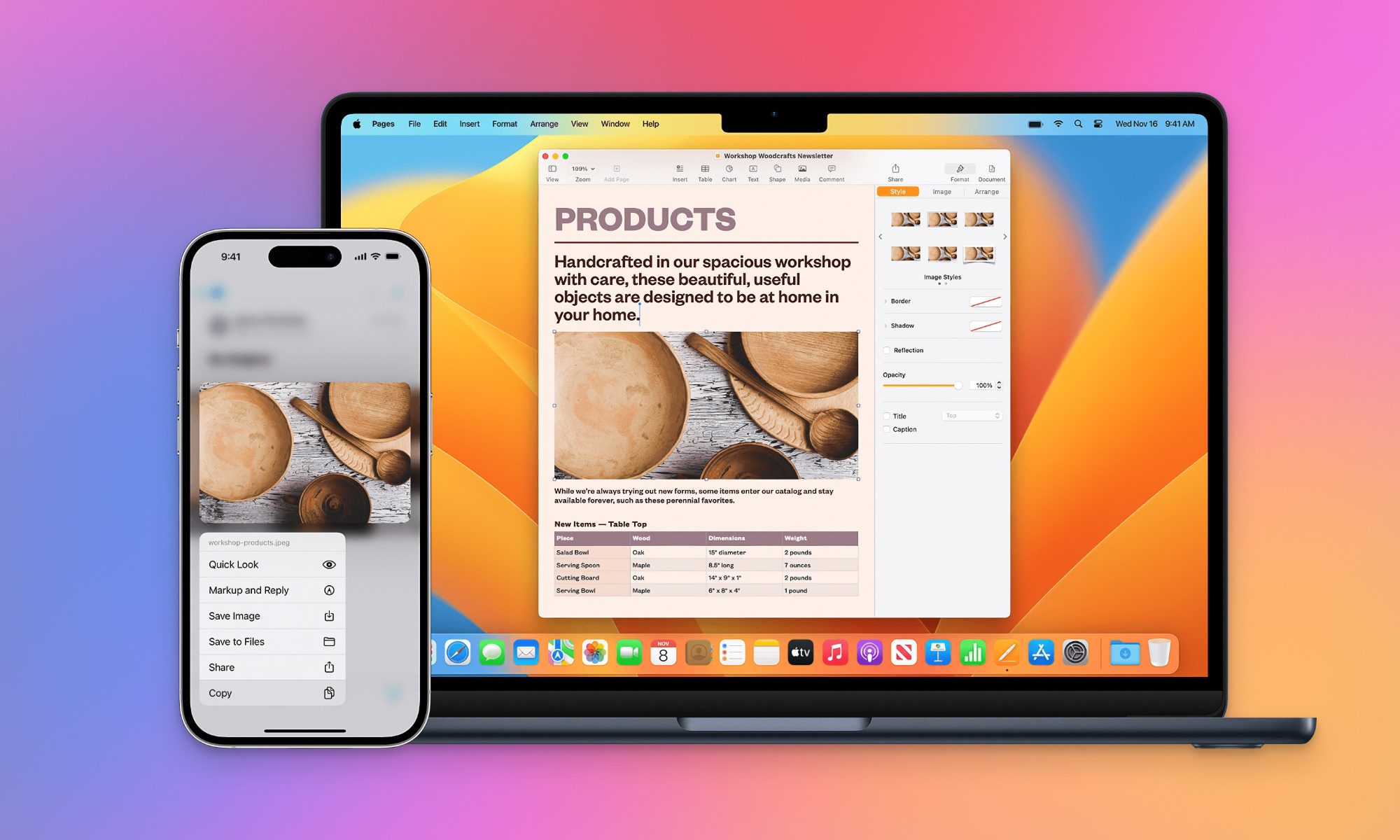
Apple Universal Clipboard feature

Copying something on an iPhone and pasting it onto a Windows PC should be one of the least remarkable features imaginable. While this simple process seems effortless between an iPhone and Mac, Windows users are still left waiting.

Now, Microsoft is formally asking Apple to provide interoperable clipboard access through the company’s European Union interoperability process. The request, submitted on March 25, argues that iOS restrictions prevent third-party platforms from creating an experience comparable to Apple’s Universal Clipboard. Apple has now reached Phase III and committed to developing a solution.

Read more
Chrome wants more extension reviews, but good ratings won’t keep malware out
Google is testing built-in extension review prompts, but good ratings can still hide malware
malicious-google-chrome-extensions-on-web-store

Google is preparing to add extension review links directly inside Chrome, putting feedback closer to the menus people already use to manage their add-ons.

A Chromium change, first spotted by Windows Report, points to review options in the Extensions menu, the chrome://extensions management page, and extension context menus. Only eligible Chrome Web Store extensions in good standing would qualify, and the feature is still under development.

Read more