  1. Home
  2. Mobile
  3. Legacy Archives

ZTE shows off Firefox OS and Open phone at MWC 2013

Add as a preferred source on Google
firefoxos
Image used with permission by copyright holder
MWC 2026
Read our complete coverage of Mobile World Congress

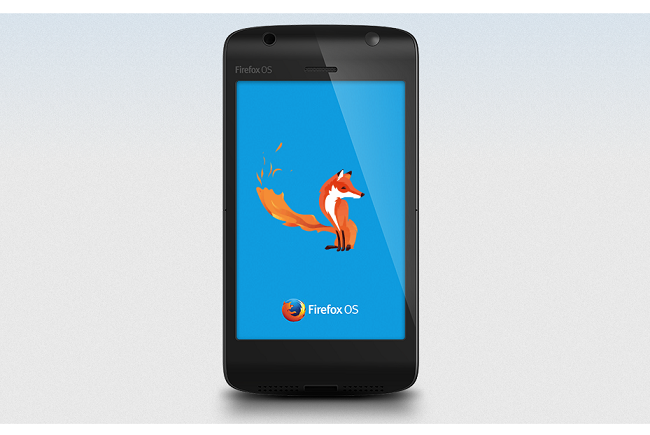
In perhaps the most anti-climatic announcement of the day, ZTE took time during its Mobile World Congress 2013 presentation to unveil the ZTE Open phone and Firefox OS –both of which were introduced the previous day by Mozilla. ZTE did do it’s best to add it’s own take on the partnership, of course.

Firefox OS will be a large part of ZTE’s push to become one of the top three brands in mobile by 2015. The first phone from the Chinese manufacturer to run the new operating system is the ZTE Open, which will launch worldwide over the course of the year – beginning with Columbia, Spain, and Venezuela in the summer.

Recommended Videos

We usually take a good look at the spec sheet of a phone when its announced, but that’s not the point with Firefox OS – it’s designed to run well on low-end phones (and in comparison to most smartphones on the market, the ZTE Open would definitely be considered low-end). Running on a 1GHz processor and 256MB of RAM, it features a 3.5-inch multitouch, HVGA display. Internal storage clocks in at 512MB. The Open also features GPS and a 3.2-megapixel camera. Not anything particularly impressive until you consider the market the phone is meant for.

Ying Xue of Telefonica, one of ZTE’s partners, stated the goal of the Open is to convert feature phone users. Telefonica’s director of devices Carlos Fernandez Casares added the idea that smartphone penetration rates are rather low and there’s tons of room for growth, noting Latin America’s rate of smartphone penetration is just 18 percent. By comparison, the U.S. is well over 50 precent. The ZTE Open is essentially the exact opposite of the high-end Grand Memo that was also announced during the conference. That phone is meant for high-end consumers with previous smartphone experience. The Open is meant to make that initial transition from “dumbphone” to smartphone easier.

AJ Dellinger
AJ Dellinger is a freelance reporter from Madison, Wisconsin with an affinity for all things tech. He has been published by…
Snapchat Planets Meaning: Order, Rankings, and How Friend Solar System Works
Snapchat Planets turns your best friends list into a solar system, and yes, your orbit says a lot
Snapchat Planets being shown on the Snapchat app on iPhone.

Snapchat+ includes several exclusive features, but few have generated as much curiosity as Snapchat Planets. Part of the app's Friend Solar System, it transforms your Best Friends list into a planetary ranking, assigning each of your top eight friends a planet based on how often you interact.

From Mercury, which represents your closest friend, to Neptune, which represents your eighth closest, the system offers a quick visual snapshot of your interactions. But what do the different planets actually mean, and how does Snapchat decide who gets which one?

Read more
How to use WhatsApp Web
We'll show you how to use WhatsApp on your desktop or laptop
WhatsApp Web

As one of the most popular messaging services, you’ve already heard of WhatsApp. From its humble beginnings in 2009—two years before Apple introduced iMessage—to its acquisition by Facebook (now Meta) in 2014, WhatsApp has become the dominant messaging platform around the globe.

In recent years, it's grown even more potent with new features like video messages, self-destructing voice messages, the ability to edit sent messages, and more. We even finally got an WhatsApp iPad app in May 2025.

Read more
What is WhatsApp? How to use the app, tips, tricks, and more
From setting it up to mastering hidden features, here is your complete guide to WhatsApp.
WhatsApp app store listing open on iPhone

There's no shortage of messaging apps out there. The past decade has given us more options than we know what to do with, largely because smartphones demanded something better than plain old SMS.

Both the App Store and the Play Store are packed with apps that promise to revolutionize the way we communicate. Most of them didn't make it. The truth is, a messaging app is only as good as the number of people using it, and most apps never cross that threshold.

Read more