  1. Home
  2. Computing
  3. Legacy Archives

Bad day to be Windows 8: New OS blamed for 14% drop in Q1 PC sales

Add as a preferred source on Google
Windows 8 Sales
Image used with permission by copyright holder

Thud. That’s the sound of PC sales dropping 13.9 percent in the first quarter of this year (according to a new report by the International Data Corp analyst group). How bad is that drop? PC sales have been declining year over year, so sales of desktops and laptops were expected to drop by 7.7 percent. Instead, the drop was twice that. Even worse, that’s the single biggest drop in sales since IDC first started tracking quarterly PC shipments way back in 1994. While there are numerous factors contributing to the drop in sales, the most recent reason is the chilly reception consumers have given Windows 8. 

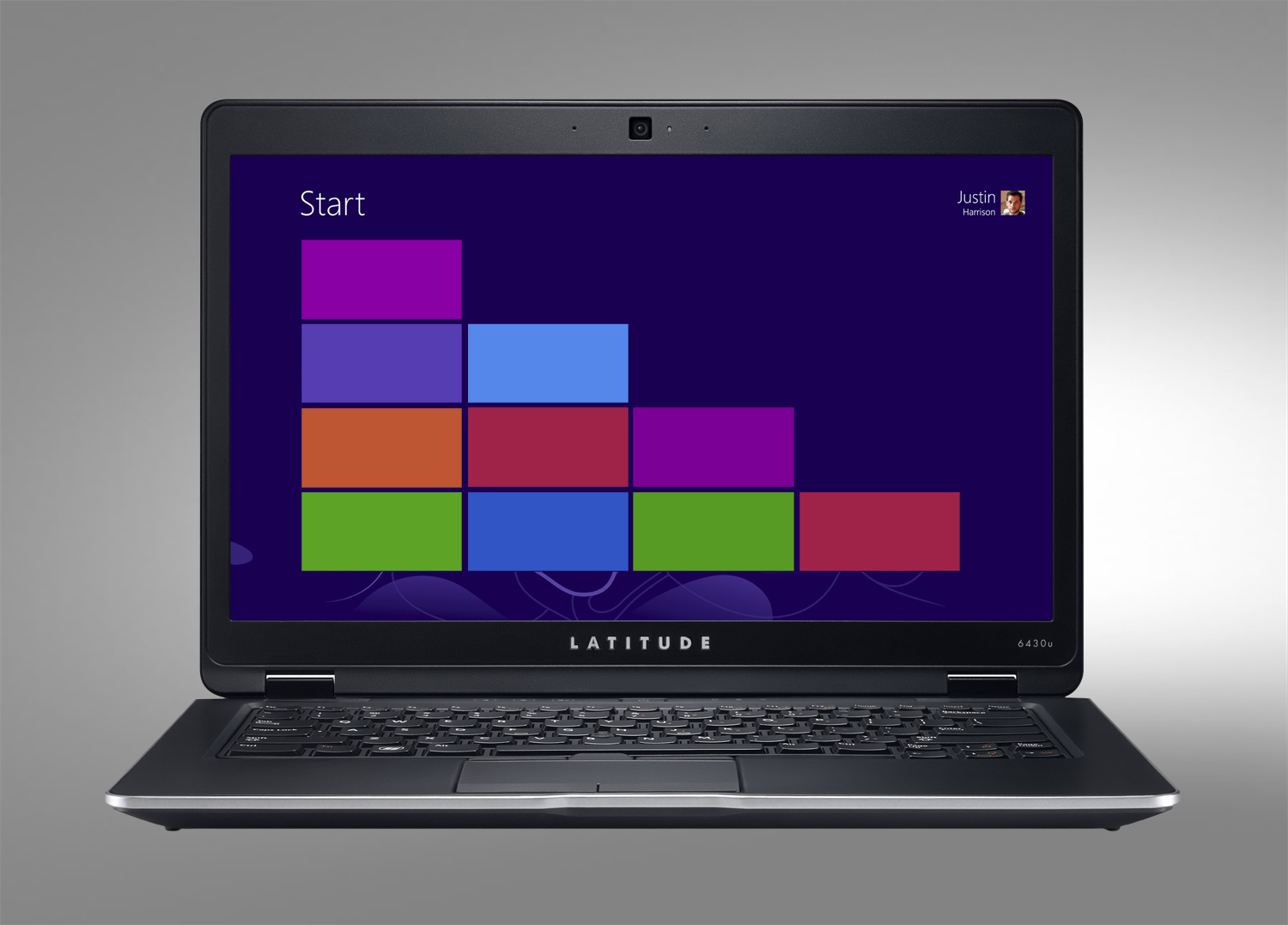
According to IDC, the massive user interface changes to Windows 8 have worsened the PC sale slowdown. Quoted on CNET, analyst Bob O’Donnell said, “While some consumers appreciate the new form factors and touch capabilities of Windows 8, the radical changes to the [user interface], removal of the familiar Start button, and the costs associated with touch have made PCs a less attractive alternative to dedicated tablets and other competitive devices.”

Recommended Videos

Even seasoned PC users have been stymied by the new interface in Windows 8. While it’s an operating system that begs to be touched, the most affordable PCs don’t include a touchscreen, which makes navigating through the Metro interface a frustrating experience. Plus, touchscreen PCs are still pricey, especially when compared to less expensive tablets that have a smaller learning curve.

PC makers are certainly feeling the hit, too. HP, the leading PC maker, saw its U.S. shipments drop by 23 percent in the first quarter, according to IDC. Acer was down 31 percent for the same time period. It’s not all doom and gloom, though. The second biggest PC maker, Lenovo, saw its new shipment jump 13 percent last quarter, and Samsung and ASUS also posted gains. Of course, all three of these companies are diversifying their offerings with tablets, smartphones, and other mobile devices. 

It’s strange to think that if Microsoft doesn’t push a consumer turnaround with Windows 8 and the forthcoming update, rumored to be called Windows 8.1 or Windows Blue, we may soon see the end of the traditional PC.

What do you think? Will desktop and laptop PCs be as dated as a typewriter in five years?

Meghan McDonough
Former Contributor
Meghan J. McDonough is a Chicago-based purveyor of consumer technology and music. She previously wrote for LAPTOP Magazine…
NVIDIA’s new AI can detect deepfake videos in just 22 milliseconds
NVIDIA has a new AI tool that can tell fake videos from real ones in milliseconds
Nvidia logo

As generative AI becomes increasingly capable of producing videos that are nearly indistinguishable from real footage, the race is no longer just about creating synthetic media. It's about detecting it before it spreads.

At SIGGRAPH 2026, NVIDIA unveiled Synthetic Video Detector, a new AI-powered verification tool designed to identify AI-generated videos with remarkable speed and accuracy. Rather than replacing traditional fact-checking or forensic analysis, the company says the technology is intended to give newsrooms, broadcasters and enterprises another layer of confidence before synthetic videos enter the public domain.

Read more
Dell XPS 14 (2026) Review: Dell’s classic Windows laptop returns, and it’s hard to put down
The icon returns, and shows why it's still relevant
Dell XPS 14 Review: Featured

Quick take

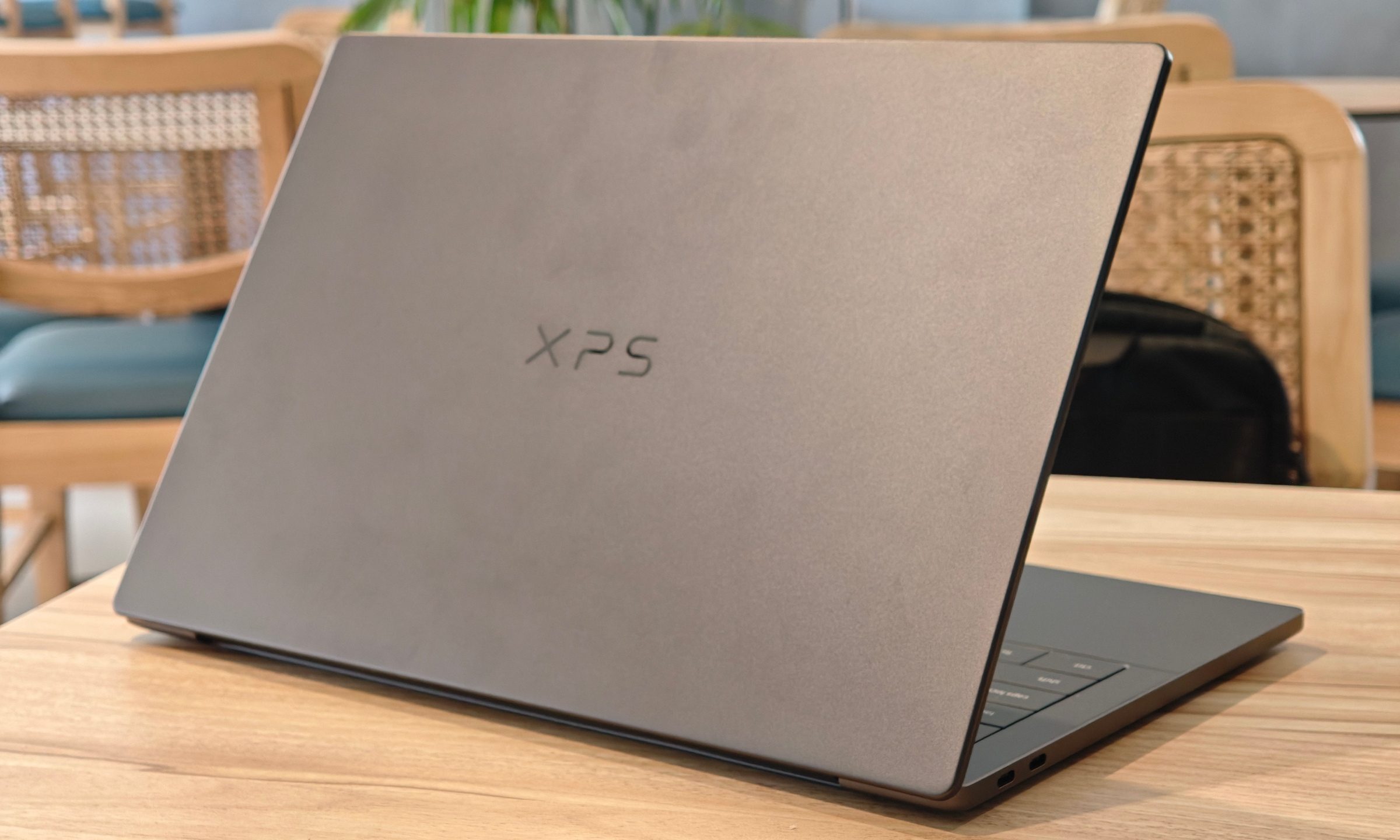
Dell’s XPS line has always carried a certain weight. It is one of those Windows laptop families that people recognize even if they don’t follow laptops too closely. Clean design built with premium materials, sharp displays, and high-end hardware. The Dell XPS 14 DA14260 continues that legacy. 

Read more
Samsung’s secret AI chip could finally cool down Exynos phones
Samsung's GAIA AI chip is landing in laptops first, but its shared DNA with Exynos hints at a real fix for phones down the line.
Samsung Exynos chip illustration.

If you've ever owned an Exynos-powered Galaxy phone, you already know the drill: heavy tasks like capturing back-to-back pictures or photos for a while, heavy gaming, or rendering videos turn your device into a hand warmer. 

In such a situation, the battery bar drops faster than usual as well. Turns out, Samsung might be working on the fix, and it's coming in a way nobody expected.

Read more