It’s taken several years of requests, but we finally have a native MagSafe competitor for one of the best Android phones. The new Pixel 10 series comes with PixelSnap, the company’s new Qi2-based magnetic wireless charging solution, but as with all features, there’s nuance to that statement.
The Pixel 10 series is the first Android phone with magnets built in, but it supports two different Qi2 standards depending on the phone. Most phones support the Qi 2 charging standard, which includes 15W magnetic wireless charging. However, one phone supports the Qi 2.2 standard, offering even higher speeds.
Then there’s Google’s new accessories and the wider range of MagSafe accessories. Are they compatible with PixelSnap? I’ve been testing PixelSnap on the Pixel 10 Pro for the past few days, complete with Google’s new Pixel Stand and PixelSnap. Here’s why every phone should include magnets for Qi 2 charging.
Google is the first to support Qi2… somewhat.

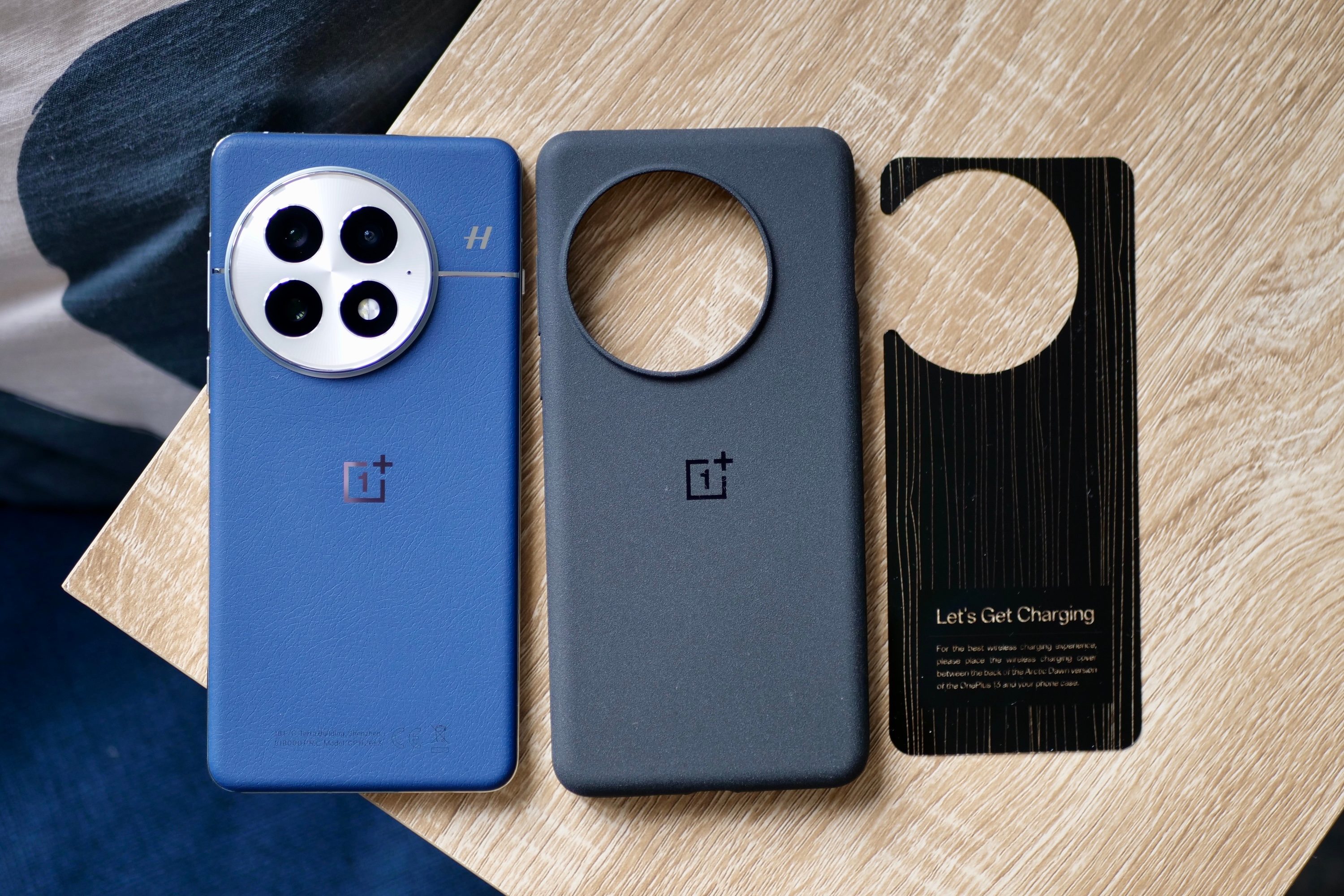
It’s first worth noting that while Google is the first to support Qi2 natively on Android, many of the best Android phones support 15W wireless charging natively, or 15W Qi2 charging with an additional case. Samsung’s Galaxy S25 series, including the Galaxy S25 Ultra, as well as flagship phones from Oppo and others, all feature Qi2-compatible cases that place the magnets within the case, rather than within the phone itself.
This is great for ultra-thin phones like the Galaxy S25 Edge and Galaxy Z Fold 7, but it means you’re limited to the official Qi2 magnet case or third-party cases that may not work properly. I tested the Galaxy Z Fold 7 magnetic case, and while it’s fantastic, it’s not my favorite as it lacks accessories like a kickstand or a grip handle.
The Pixel 10 series addresses this issue with built-in magnets, but it does result in the phones being slightly thicker than last year’s Pixel 9 series. It also means that we’re less likely to see native magnetic charging in ultra-thin phones like the upcoming iPhone 17 Air, or in more affordable handsets like the iPhone 16e, which doesn’t officially support MagSafe even via an additional case.
PixelSnap: one name with two charging speeds

As I mentioned above, PixelSnap is the overarching name for Google’s new magnetic charging solution, in the same way that Apple uses the MagSafe branding. Within PixelSnap, there are two distinct solutions, depending on which phone you buy,
The Pixel 10, Pixel 10 Pro, and Pixel 10 Pro Fold all support the current base level of PixelSnap, otherwise known as Qi2 charging. This offers 15-watt magnetic charging from many MagSafe-compatible wireless chargers. It’s somewhat surprising that the Pixel 10 Pro Fold doesn’t support the faster standard, especially as it’s the most expensive phone in Google’s lineup.

Instead, the Pixel 10 Pro XL has the fastest PixelSnap charging speeds. It supports the Qi 2.2 charging standard, which delivers 25W via a wireless charger when connected to a 30-watt power socket. For context, this is the same maximum speed as MagSafe on the iPhone 16 Pro series, and incidentally, identical to the maximum wired charging speed on many of the best Samsung phones.
Regarding wired charging, the Pixel 10 Pro XL also features faster wired charging. While the rest of the Pixel 10 series supports 30-watt wired charging, the Pixel 10 Pro XL boosts this to 45-watt, which matches the maximum wired charging speed of the Galaxy S25 Ultra.

The last point to note is that the maximum PixelSnap charging speed is still only half the maximum found on the best folding phones, as well as rival smartphones available in the US, such as the 50W wireless charging on the OnePlus 13. It’s also slower than the 30W wireless charging speeds supported by the Razr Ultra 2025 — although Motorola doesn’t support magnetic charging — as are the wired speeds, with the Razr Ultra 2025 supporting 67W charging over USB-C.
I love that PixelSnap works with MagSafe accessories
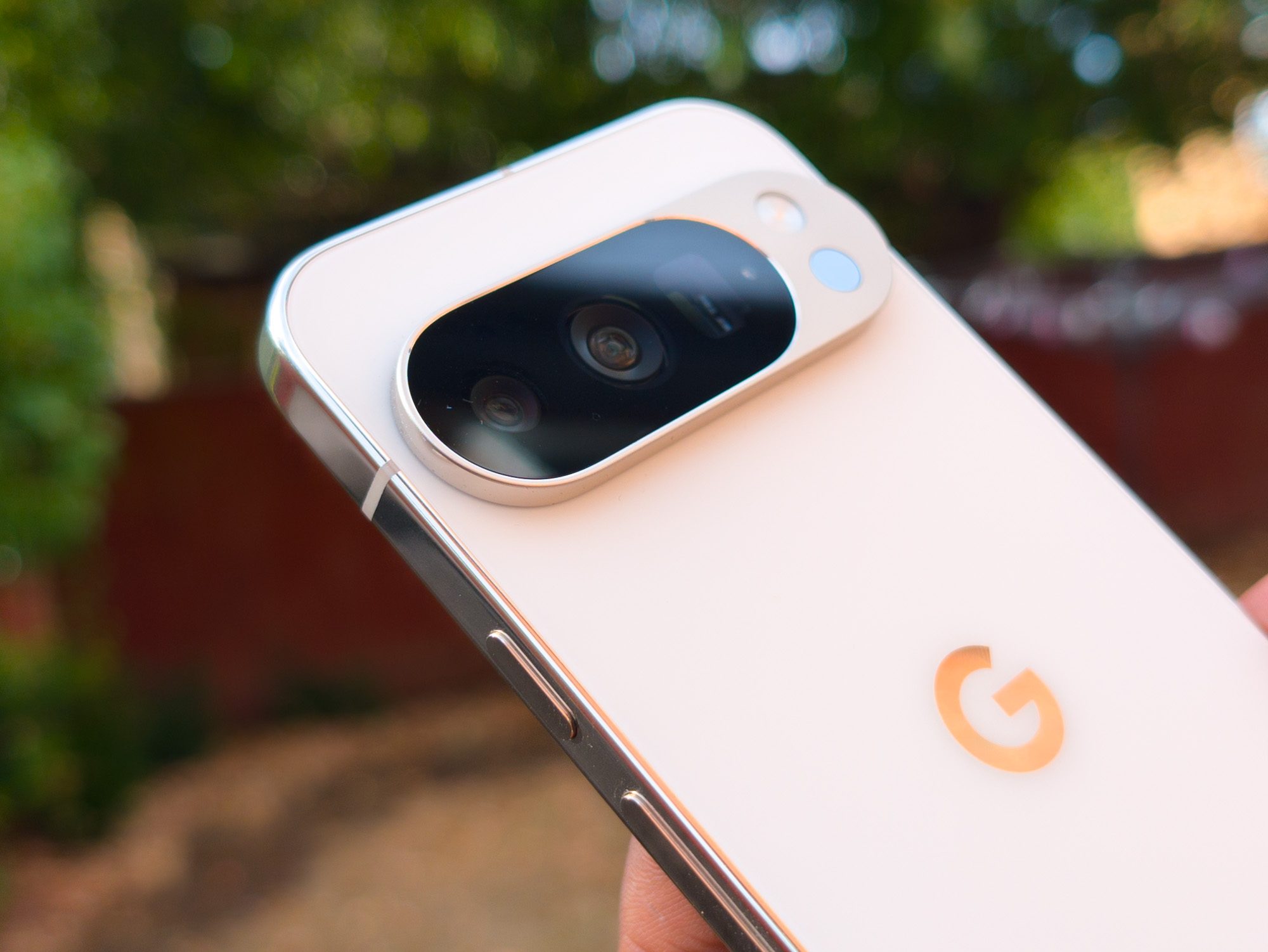
I’ve used the new Pixel Stand, which comes with a magnetic charging puck and is compatible with PixelSnap. However, the best thing about PixelSnap is that it works flawlessly with millions of MagSafe-compatible iPhone accessories.
I have more than 20 different MagSafe accessories that I use — both at home and on the go — and PixelSnap means I don’t need an additional accessory to charge; walk up to the charger, let the magnets do their job, and your Pixel phone will charge. It’s the easiest charging solution on an Android phone, especially thanks to the wide range of MagSafe accessories.
Of course, you can choose to use Google’s new PixelSnap accessories. The Pixelsnap Charger is a wireless charging puck that can easily attach to the PixelStand, offering maximum flexibility for how you want to use it.
Then there’s the new Pixelsnap Ring Stand, which attaches magnetically to your phone and can be used as a kickstand to prop it up. The official Pixel 10 cases also support PixelSnap, so you can still use all your accessories, although I’ve found that it makes it slightly harder to attach to a magnetic charger.
Overall, PixelSnap is the most convenient charging solution for an Android phone, and I would like every phone maker to include magnets in their phones. The only issue is whether they’ll stay as thin as they are now.