1. Home
  2. Computing
  3. Legacy Archives

Start the countdown – Windows 8.1 reportedly available mid-October

Add as a preferred source on Google

A build of Windows 8.1 leaked over the weekend, revealing a near-finished version of the new OS. We’ve already got a good amount of hands-on time with Windows 8.1 in the Preview build, but yesterday’s leak of the Release to Manufacturing (RTM) version had a few new features aimed toward first-time Windows 8 users. The RTM version, which is generally released to computer makers, will be going out around the last week of August, but what about the public version for those of us who just want to update our PCs without buying a whole new one? 

According to one of ZDNet’s Mary Jo Foley’s “best tipsters,” Microsoft is going to release the final Windows 8.1 bits around mid-October, which is when it’ll become available to the general public. The mid-October date will also be used as the launch date for new Windows 8.1 PCs and 7 and 8-inch devices.

Recommended Videos

For those of us who weren’t exactly happy with Windows 8, the 8.1 update couldn’t come sooner. But it’s important to note that Microsoft is actually doing things a little more quickly this time. After all, the company took three years to bang out Windows 8 and replace Windows 7. A mid-October release will be just about a year from when Microsoft first launched Windows 8. According to The Verge, the time between the RTM release and the final release will give Microsoft some time to continue adding fixes and patches for the General Availability build in October. 

Windows 8.1 will bring many fixes to the Windows 8 features we’ve griped about for the last year, including bringing back the Start button (not Start menu), an easier way to view your apps, a more personalized home screen, a better search experience, improved “split view” to make multitasking simpler, a revamped app store, Internet Explorer 11, and more. We definitely prefer Windows 8.1 over 8, but you’ll have to form your own opinion after Windows 8.1’s mid-October release. 

Jennifer Bergen
Former Computing Editor
Jennifer Bergen is the Computing Section Editor at Digital Trends and is in charge of all things laptops, desktops, and their…
NVIDIA’s new AI can detect deepfake videos in just 22 milliseconds
NVIDIA has a new AI tool that can tell fake videos from real ones in milliseconds
Nvidia logo

As generative AI becomes increasingly capable of producing videos that are nearly indistinguishable from real footage, the race is no longer just about creating synthetic media. It's about detecting it before it spreads.

At SIGGRAPH 2026, NVIDIA unveiled Synthetic Video Detector, a new AI-powered verification tool designed to identify AI-generated videos with remarkable speed and accuracy. Rather than replacing traditional fact-checking or forensic analysis, the company says the technology is intended to give newsrooms, broadcasters and enterprises another layer of confidence before synthetic videos enter the public domain.

Read more
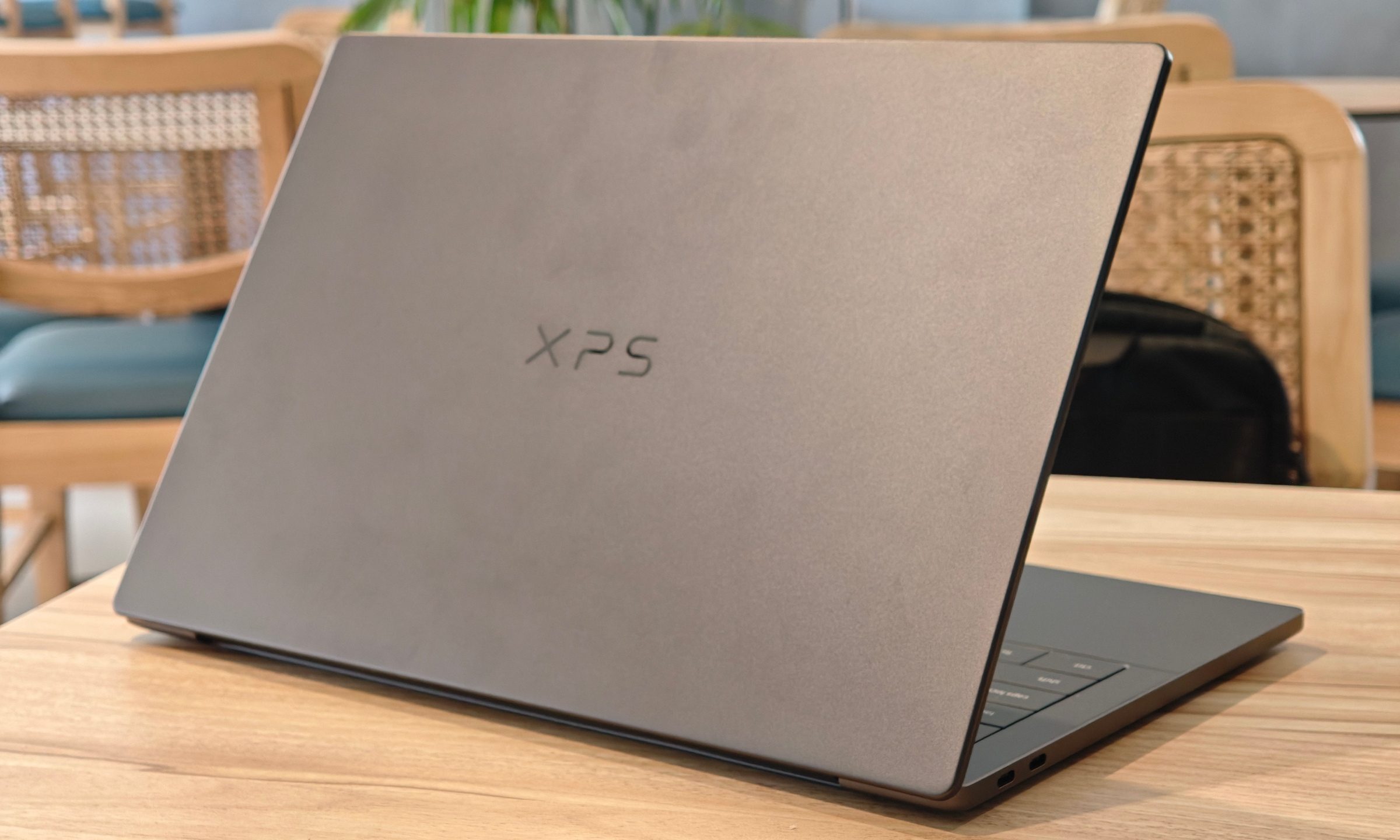
Dell XPS 14 (2026) Review: Dell’s classic Windows laptop returns, and it’s hard to put down
The icon returns, and shows why it's still relevant
Dell XPS 14 Review: Featured

Quick take

Dell’s XPS line has always carried a certain weight. It is one of those Windows laptop families that people recognize even if they don’t follow laptops too closely. Clean design built with premium materials, sharp displays, and high-end hardware. The Dell XPS 14 DA14260 continues that legacy. 

Read more
Samsung’s secret AI chip could finally cool down Exynos phones
Samsung's GAIA AI chip is landing in laptops first, but its shared DNA with Exynos hints at a real fix for phones down the line.
Samsung Exynos chip illustration.

If you've ever owned an Exynos-powered Galaxy phone, you already know the drill: heavy tasks like capturing back-to-back pictures or photos for a while, heavy gaming, or rendering videos turn your device into a hand warmer. 

In such a situation, the battery bar drops faster than usual as well. Turns out, Samsung might be working on the fix, and it's coming in a way nobody expected.

Read more