Over the last five years Android has grown from humble beginnings to become the most popular mobile platform on the planet. There are over 1 billion Android devices out there. Google’s OS has found a home in all sorts of unlikely places, but the possibilities are far from exhausted. Here are five places that Android could, and probably should, go next.
The All Access shower
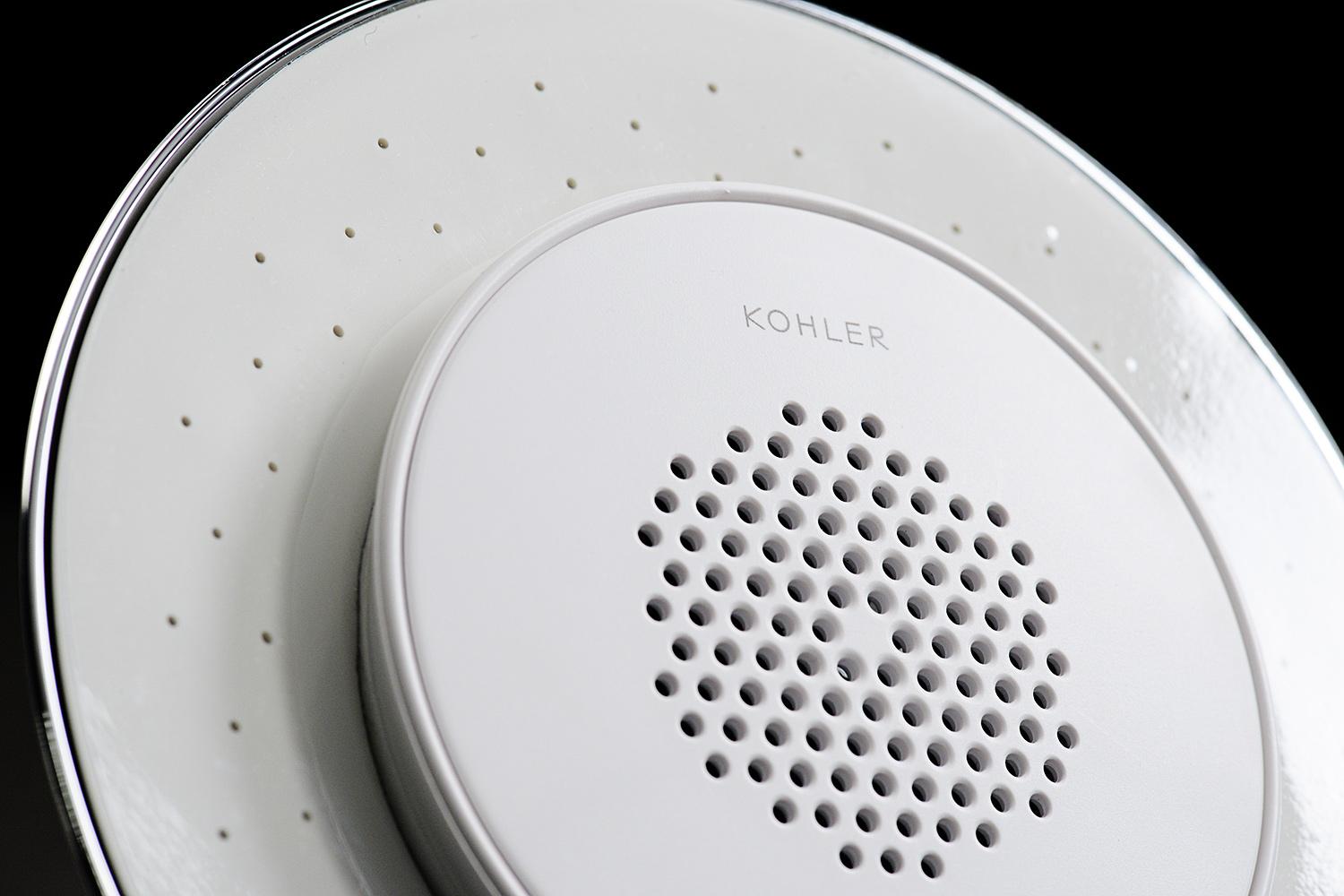 You can already get a waterproof Bluetooth speaker as your showerhead, which could be a great musical accompaniment to your vocal gymnastics during morning ablutions. As long as you have a shower-proof phone like the Xperia Z, we can see the attraction, but why not take it further?
Those of us in colder climes (I think I speak for all of us here) demand an Android shower. Picture yourself tapping away on your smartphone before you risk exposing so much as a toe to the world beyond your duvet. The shower fires up by remote control and the stereo speakers begin emitting a tempting medley of your favorite tunes, while the 10-inch display prepares your morning news. Now that’s worth rolling out of bed for.
The smart toilet
 Manufacturers have been focused on the kitchen, but how much time do you spend in the bathroom? They’re missing a trick. We’ve covered the shower already, now how about an Android toilet? If you think it sounds daft then you obviously haven’t seen the Android My SATIS app, which allows you to remote control your toilet via Bluetooth. You can flush, access bidet functions and drying, not to mention a complete bowel movement record. Now you know what’s missing from your life.
The space in front of you
 Where are our 3D projections? How about Android in mini-projectors that are attached to your clothing or glasses or whatever? They create a 3D picture that you can manipulate right before your eyes wherever you happen to be. Movies, calls, work, everything’s better in 3D right? Surely we have to break from 2D at some point; the world is, after all, in three dimensions. We’re taking steps towards 3D manipulation of interfaces with cameras that can track your movements already. Free us from the tyranny of the touchscreen.
Navigating complex menus could be much faster without several layers of depth. Visualizing just about anything would be easier, and interacting with it would be more fun. Google Glass is a first step toward this, having a projector that just fires onto your eye also solves the privacy problem over something that projects in front of you, but there’s a long way to go.
Google Now running your house
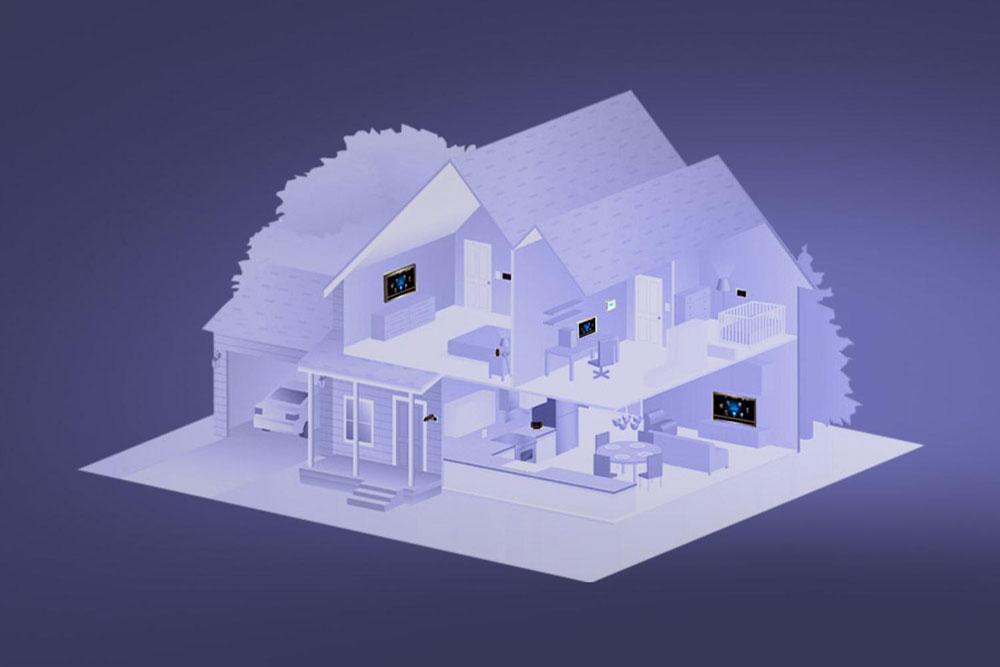 The idea of home automation is still exciting, but so far we’ve only seen light switches, power points, and thermostats that can be controlled from your Android phone or tablet. What we want is an actual Android house. Imagine a future version of Google Now running your house for you. It knows when you’re within a mile or two of home because it’s tracking your location. The heating, lights, even the oven could be fired up just before you get in. It opens the front door with a greeting on your arrival, tells you what’s for dinner, and ushers you through to the living room where it’s just about to screen the next episode of whatever you’re addicted to watching.
An Android house would cater to your every whim before you even know what you want. If you put it all together then having Android in your TV, your fridge, your toilet, and everything else starts to make some sense. Your Android house sees that you’ve gotten hooked by your current game, so rather than burn your dinner, it warns you, or just turns the heat down itself. It knows that you always take a shower after working out, so the shower fires up automatically. As long as it doesn’t go Hal on you, this sounds like heaven.
Android on the brain
 We’re already finding ways to reduce the physical interaction element of using our Android devices. Voice controls, eye-tracking, and wearable tech are well underway, but let’s just cut to the chase, why not embed it in our bodies? Proximity to our unique Android internals would unlock our doors and power up our cars, solving security issues instantly. We’d only have to think of a question to be given the answer, and we could record photos and video direct from the optic nerve.
Gibson’s Neuromancer looks less like sci-fi every day. People are already getting RFID chips implanted in their bodies. Mind controlled devices are being pursued to enrich the lives of the disabled and the elderly. How long before we embrace our inevitable cyborg future? Combine a chip in the brain with an Iron Man suit. Now you’re really talking.
Where would you like to see Android go next?
(Lead image courtesy of Shutterstock/Sebastian Kaulitzki)