After 18 years, Apple has finally reimagined the iPhone. Until now, virtually every iPhone has followed the same prescribed model: a boxy design, occasional vibrant color choices, and between one and three cameras.
If you had used a previous iPhone, the experience would be instantly familiar, not just thanks to the software, but also down to the same in-hand feel. Yes, materials changed, but once you pick up an iPhone — any iPhone at that — you could easily transition to another, especially one with the same size display.
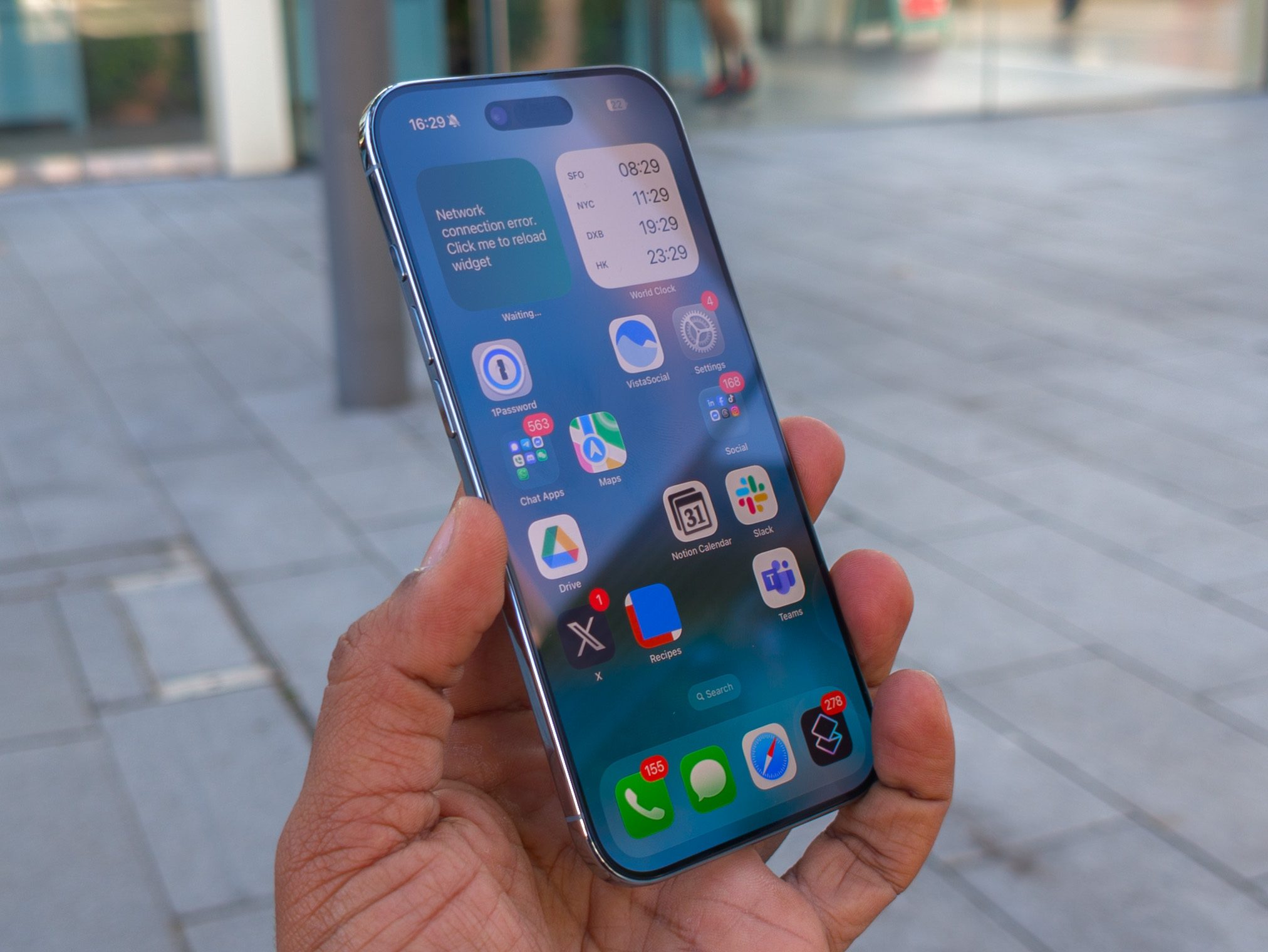
This still applies to the iPhone 17 range, especially the regular iPhone 17 and the iPhone 17 Pro, which both feature the same Pro display, outstanding performance, and identical main and ultrawide cameras.
However, it doesn’t apply to the iPhone Air: after two days with the iPhone Air, one thing is clear: this is unlike any other iPhone. The in-hand experience is so distinct and pleasing that you may be willing to forgive some obvious shortcomings. Here’s why you shouldn’t judge the iPhone Air until you try it.
Identical phenomenon to the Galaxy Z Fold 7 and S25 Edge
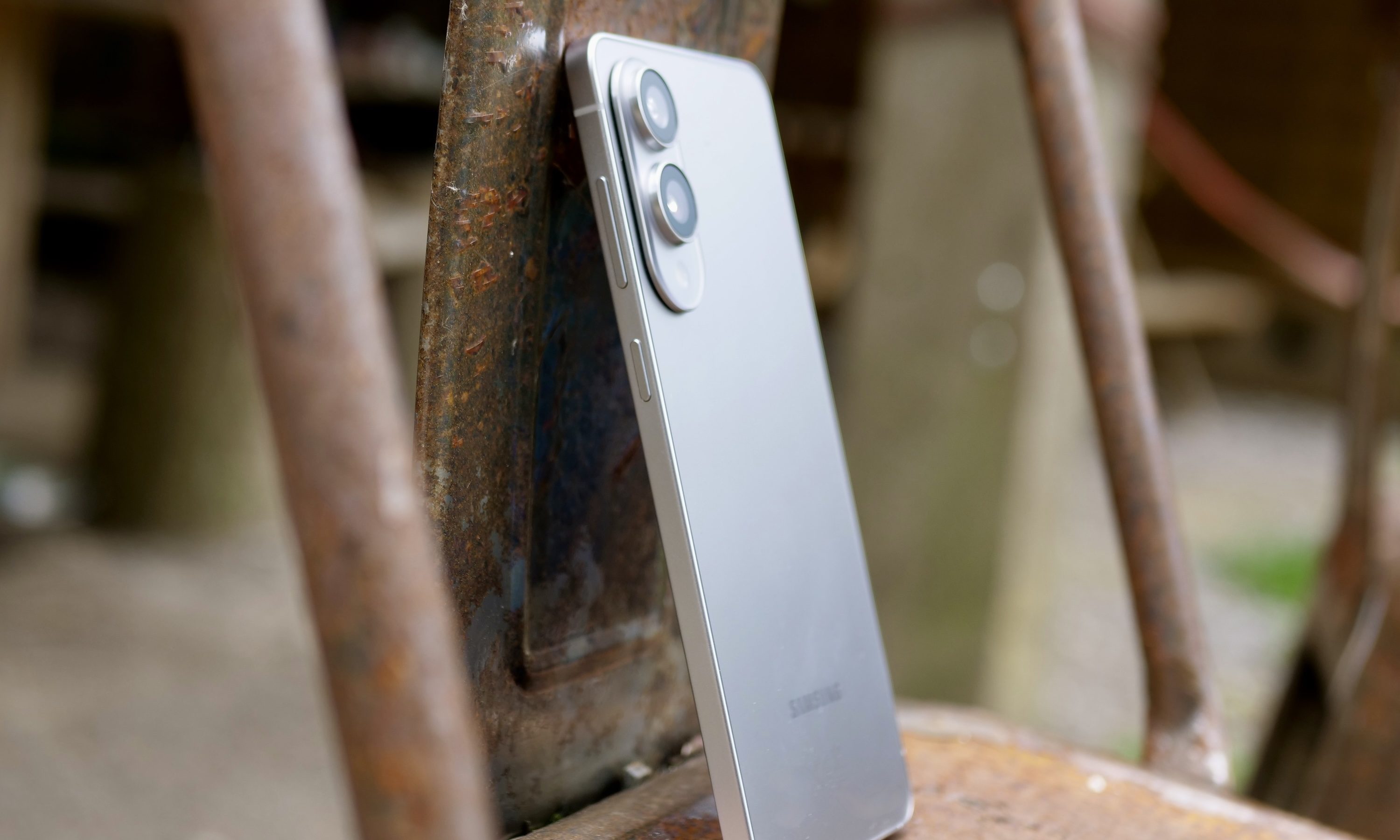
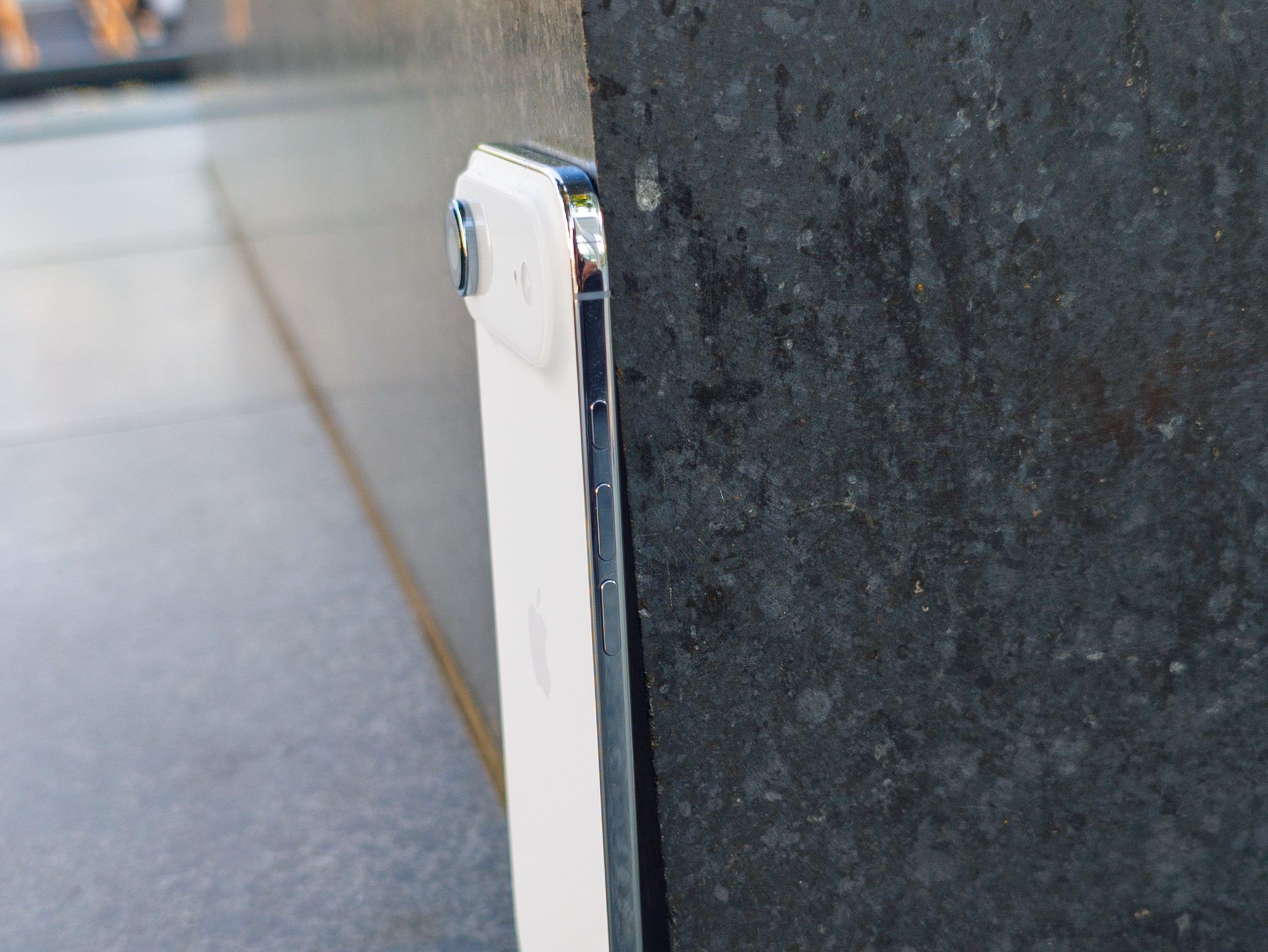
There are only two other phones that elicit the same initial reaction to the slim profile: the Galaxy S25 Edge and the best folding phone, the Galaxy Z Fold 7. All three phones impress with the in-hand experience that can make you speechless at first, but the iPhone Air is further distinct by just how much lighter and thinner it actually feels.
The iPhone Air measures 5.64mm thick at its thinnest point and is made with Ceramic Shield 2 glass sandwiching a titanium frame. Meanwhile, the Galaxy S25 Edge and Galaxy Z Fold 7 predominantly use titanium in the rear backplate.
The difference is significant for the in-hand feel; the iPhone Air feels more like handling jewelry than a regular smartphone. Yes, the glass plate has gotten a little warm, but it’s no different from the iPhone 16 Pro series with its similar rear glass approach.
Impressive durability from something so thin

If you haven’t already seen it, JerryRigEverything performed his usual durability test on Apple’s new ultra-thin phone, and it beat most of the competition.
Zack’s video reaffirms what has been apparent since the first hands-on experiences with the iPhone Air: there’s a definite flex to it, but it’ll flex back into shape. The unique internal design, with the majority of internal components placed on the camera plateau and the battery, allows the phone to flex safely. Yes, it can probably bend a little, but no, don’t try that at home.
The iPhone Air feels durable enough to use without a case
If you had reservations about the durability of the iPhone Air, the slim profile won’t provide much reassurance, but it feels durable in the hand, even if I constantly worry about dropping it. Yes, there are some cases for the iPhone Air — and I have a roundup coming soon — but no, I’m not planning to use a case; the iPhone Air is durable enough to use without a case.
A decent single camera, but little else
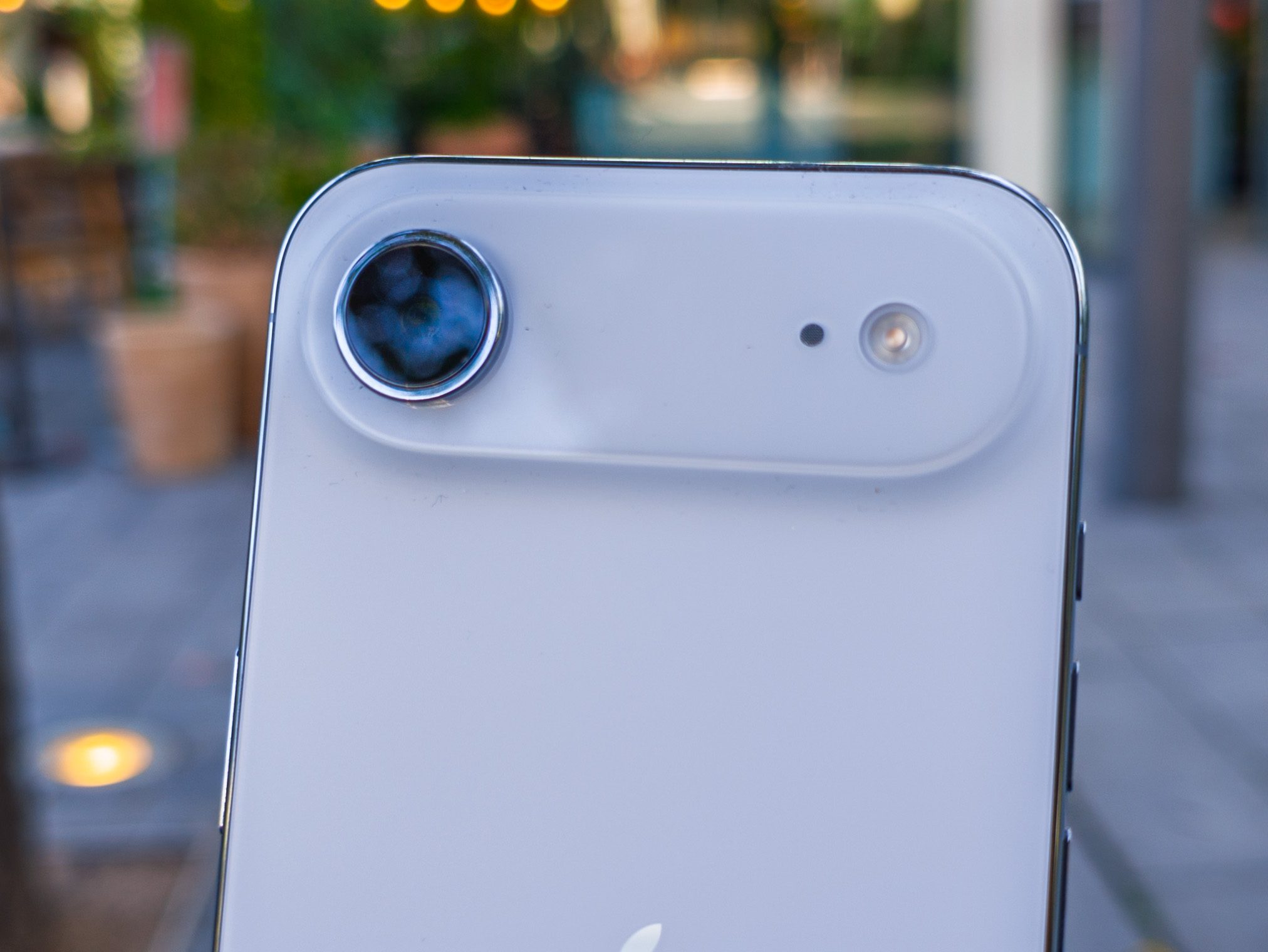
The iPhone Air features a single 48MP camera, similar to the iPhone 16e introduced earlier this year, which brings with it obvious challenges: it’s a great camera, but limited by the lack of an ultrawide lens or usable zoom beyond 2x.
This means the camera will deliver great photos, but only in limited scenarios. If you want to capture a sign or animal from far away, the iPhone Air will fail. However, if you’re going to take photos of other people, or interesting things, from a normal distance, the iPhone Air camera seems more than good enough.
I’ve only captured a few photos, but those early observations have become clear. The 18MP center stage camera is the new selfie camera found on the rest of the lineup, and it’s extremely versatile in every lighting condition or orientation. I’m looking forward to testing it on my trip to Munich tomorrow!
The big questions remain: battery, thermals, and performance
Phone makers have long been achieving wondrous feats of engineering, but none have managed to bend the law of physics. The result is that a thinner phone means a smaller battery, and the 3,150 mAh battery inside the iPhone Air is tiny, compared to most of the best phones.
Yet, Apple has optimized the experience considerably, and while battery life has been average for the past two days — and the phone is still finishing set up in the background — this is likely a phone that I’ll need to charge during the day. We’ll see whether this is acceptable or the phone requires the new MagSafe Air battery pack during the full review.
The same applies to overall performance and thermal management. The A19 Pro is the namesake of the one found in the iPhone 17 Pro, but it’s throttled compared to Apple’s pro phones. This is to assist with thermal management, and is the same approach taken by Samsung with its ultra-thin phones.
Don’t judge the iPhone Air until you hold it
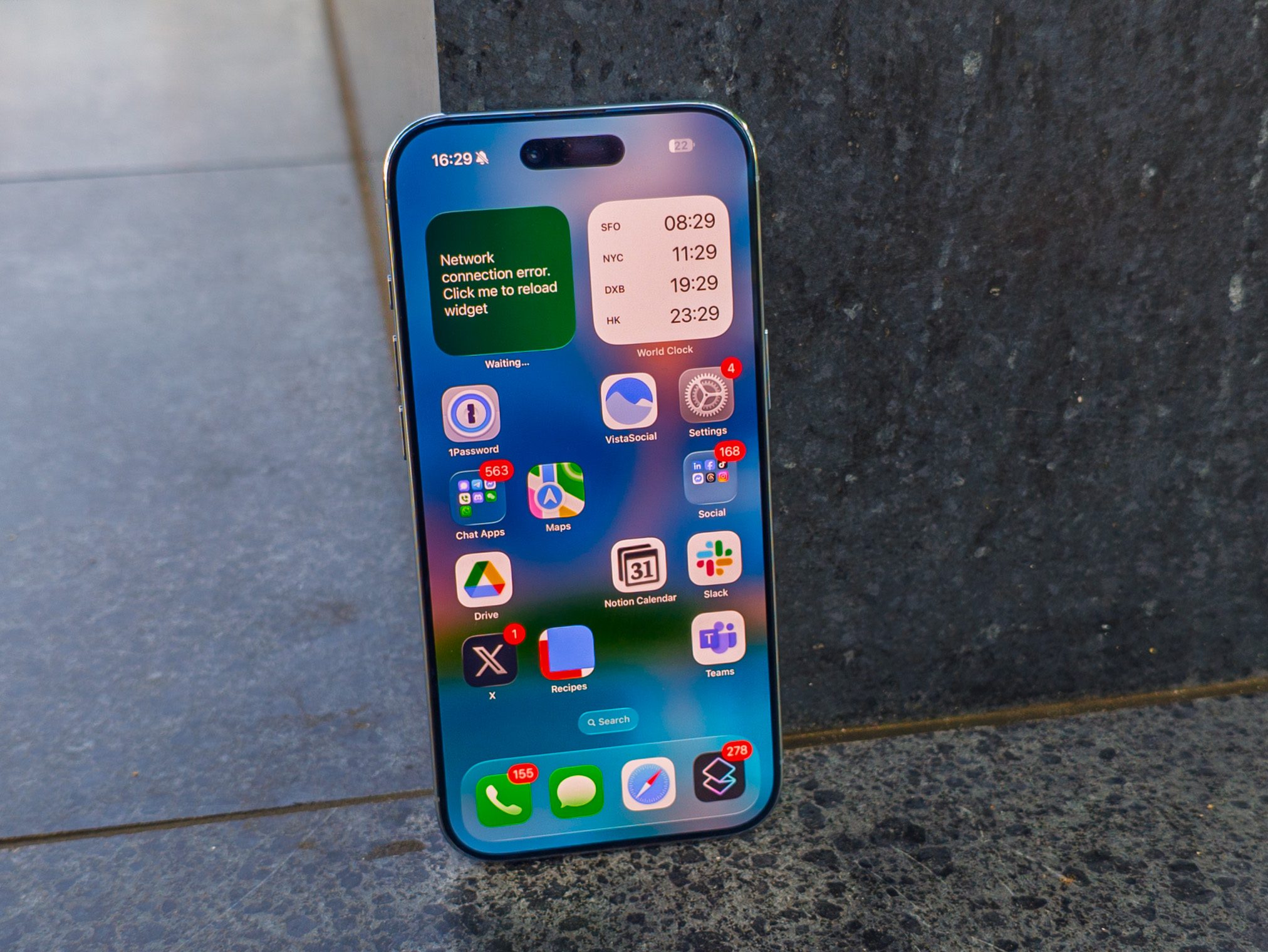
It’s easy to judge a phone and its thickness using prescribed measurements, but these do not account for the in-hand feel. Having shown this to family members at a gathering yesterday, one thing is certain: once you hold the iPhone Air, it’ll change your mind.
Despite some obvious drawbacks, the design is so impressive that you begin to forgive the phone’s many transgressions. There’s something about the iPhone Air, and ultra-thin phones in general, that you can only appreciate once you’ve held it in your hand. Don’t be quick to judge the iPhone Air, as it could quickly prove you wrong.