1. Home
  2. Computing
  3. Legacy Archives

Microsoft and Google make it harder to find child porn online

Add as a preferred source on Google

Google and Microsoft are using their powers for good, making it more difficult to find child pornography videos and photos online.

The tech giants are tweaking their search algorithms to ensure that roughly 100,000 search terms fail to turn up child porn-related content, like pics and clips. These measures will first apply to countries that speak English, however, over the next six months, this will apply to over 150 languages. Eventually, each flagged photo will have its own digital fingerprint. This comes after Microsoft announced its new Cybercrime Center.

Recommended Videos

Google exec Eric Schmidt commented on the measures in an article he wrote for Daily Mail, a British publication.

“We’ve listened, and in the last three months put more than 200 people to work developing new, state-of-the-art technology to tackle the problem.”

Though Schmidt cautioned that “no algorithm is perfect,” he also stated that the efforts spearheaded by Google and Microsoft to combat child pornography on the Internet “will be truly global.” Schmidt also added that Google employed YouTube to develop and create new tech that identifies child porn videos.

While he praised Microsoft’s picture detection tech, Schmidt pointed out that “paedophiles [sic] are increasingly filming their crimes,” which created a need for video ID tech.

The YouTube video identification tech is currently being tested and Schmidt hopes that Google will be able to make it to other Internet firms and organizations that combat child porn “in the new year.”

 Image credit: http://siliconangle.com

Konrad Krawczyk
Former Computing Editor
Konrad covers desktops, laptops, tablets, sports tech and subjects in between for Digital Trends. Prior to joining DT, he…
Gemini Notebook’s new Collections arrive just as Google turns it into a bigger workspace
Google is cleaning up notebook organization as the former NotebookLM expands across Gemini and Search
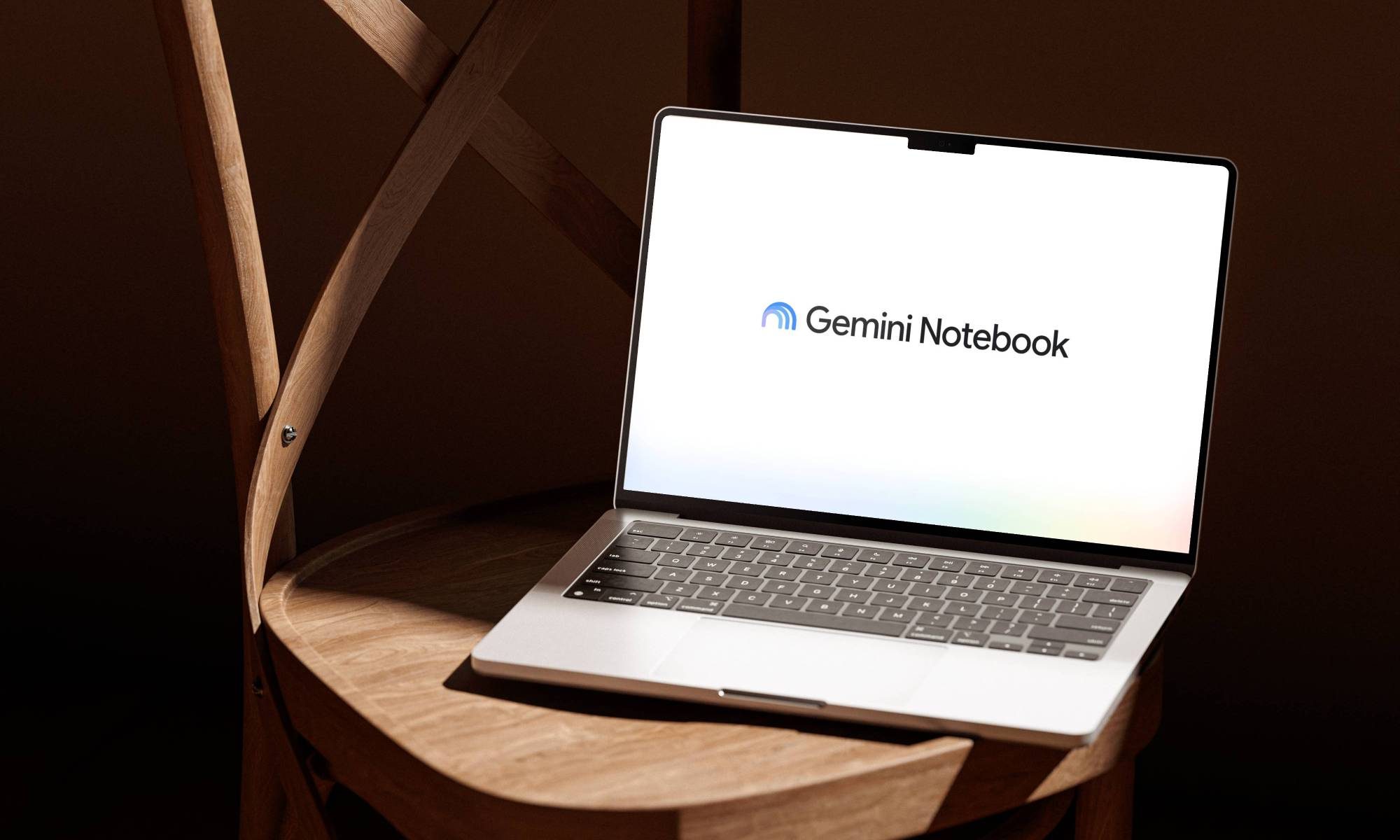
Gemini Notebook branding on a MacBook

Google has barely finished renaming NotebookLM, and it’s already addressing one of the headaches that comes with building a large research library.

Collections are rolling out to all Gemini Notebook users, giving them a way to group related notebooks while keeping everything visible under My Notebooks. The dashboard gets some structure without asking users to rearrange the library they’ve already built.

Read more
Samsung’s humanoid robot ambitions are real, but factories come first
Samsung’s new robotics division has humanoids in its sights, although its immediate business is far more practical factory automation
Robot Touch Human Finger

Samsung wants a place in the humanoid race, but its new robotics push begins with machines built for factories rather than homes.

The CEO-led RX robotics division will initially focus on manufacturing robots. Samsung has separately identified humanoids as a priority, although it hasn’t announced a commercial model or explained where one fits into the division’s immediate plans.

Read more
WhatsApp’s Liquid Glass redesign is finally coming to Mac after months of waiting
WhatsApp's Mac app is getting Apple's Liquid Glass-inspired makeover
WhatsApp

WhatsApp has been steadily adopting Apple's new design language across its apps, but Mac users have largely been left watching from the sidelines. That is finally beginning to change.

The messaging platform has started rolling out its Liquid Glass redesign for the WhatsApp Mac app, bringing the desktop experience much closer to what iPhone and iPad users have been seeing over the past few months. The update introduces a refreshed interface with redesigned navigation elements, updated menus, and a cleaner layout that aligns with Apple's latest software aesthetic. According to WABetaInfo, the rollout has begun through the latest Mac App Store update and is currently reaching a limited number of users.

Read more