1. Home
  2. Emerging Tech
  3. Legacy Archives

Alpinestars’ Tech Air motorcycling suit senses crash, deploys airbags within milliseconds

Add as a preferred source on Google

(Editor’s note: Alpinestars corrected the pricing. The airbag system costs $5,000.)

Bikers certainly have a more thrilling ride than their car-driving counterparts (although that could be argued depending on the car you’re driving), but they also have to be extra careful about safety. After all, they don’t have the metal roll cage and safety features of modern cars. But wearing a suit with an airbag system from Alpinestars could save a biker from serious injury, in case of accident.

Recommended Videos

More than a decade in the making, the Tech Air personal airbag system deploys milliseconds after sensing an accident, protecting the biker before impact. Used and tested by professional bike racers since Alpinestars started the research, the suit has five sensors that constantly send information to a microprocessor (500 times a second), all powered by an eight-hour battery (continuous use rating). The system uses proprietary algorithms to monitor the rider and determine if a crash has occurred (like a biker’s abnormal position), inflating in milliseconds.

After the airbags deflate and the suit returns to “normal” condition, the system can actually be used again (assuming the rider didn’t just encounter a serious accident). The system only works if it’s turned on, the suit is fully zipped, and it senses that the rider is the proper riding position and in motion – so there’s no worry of it inflating during any other time. 

So, does it work? Earlier this year Moto GP rider Marc Marquez crashed at nearly 210 miles per hour during a practice run before the Italian GP, but was cleared to race afterward. How? He was wearing an Alpinestars suit with the airbag technology, and it deployed within 50 milliseconds of the crash and deployed fully to protect Marquez 30 milliseconds before he hit the ground, protecting his back and shoulders. 

Naturally, the system isn’t cheap, costing $5,000. Sure, it’s expensive protection, and there’s no guarantee you’ll walk away from an accident like Marquez did, but it improves your survival chances and costs less than a visit to the ER.

Read more about the system here.

Les Shu
Former Senior Editor, Photography
I am formerly a senior editor at Digital Trends. I bring with me more than a decade of tech and lifestyle journalism…
Yet another study says AI is bad for elections, and the rabbit hole gets worse
AI may be an election bomb waiting for someone to light the fuse
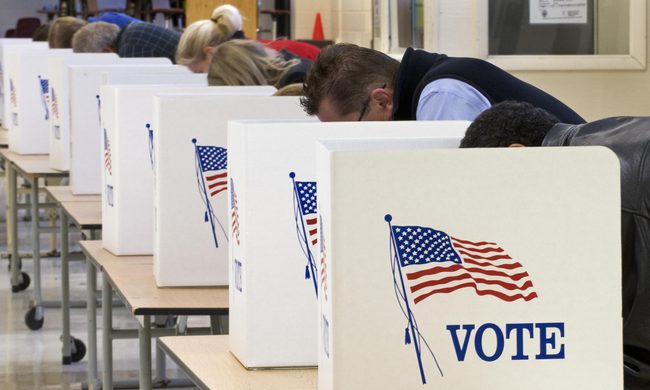
Voters cast their ballots on Election Day

Another election, another study has concluded that asking an AI chatbot for political guidance is a spectacularly bad idea. Research conducted during Hungary’s 2026 parliamentary election found that ChatGPT and Google Gemini offered not just inaccurate but also inconsistent and unreliable voting advice. The chatbots misclassified voter profiles, overlooked relevant parties, recommended parties absent from the ballot, and sometimes produced materially different answers when given the same information repeatedly.

AI keeps failing the voter test

Read more
Samsung’s humanoid robot ambitions are real, but factories come first
Samsung’s new robotics division has humanoids in its sights, although its immediate business is far more practical factory automation
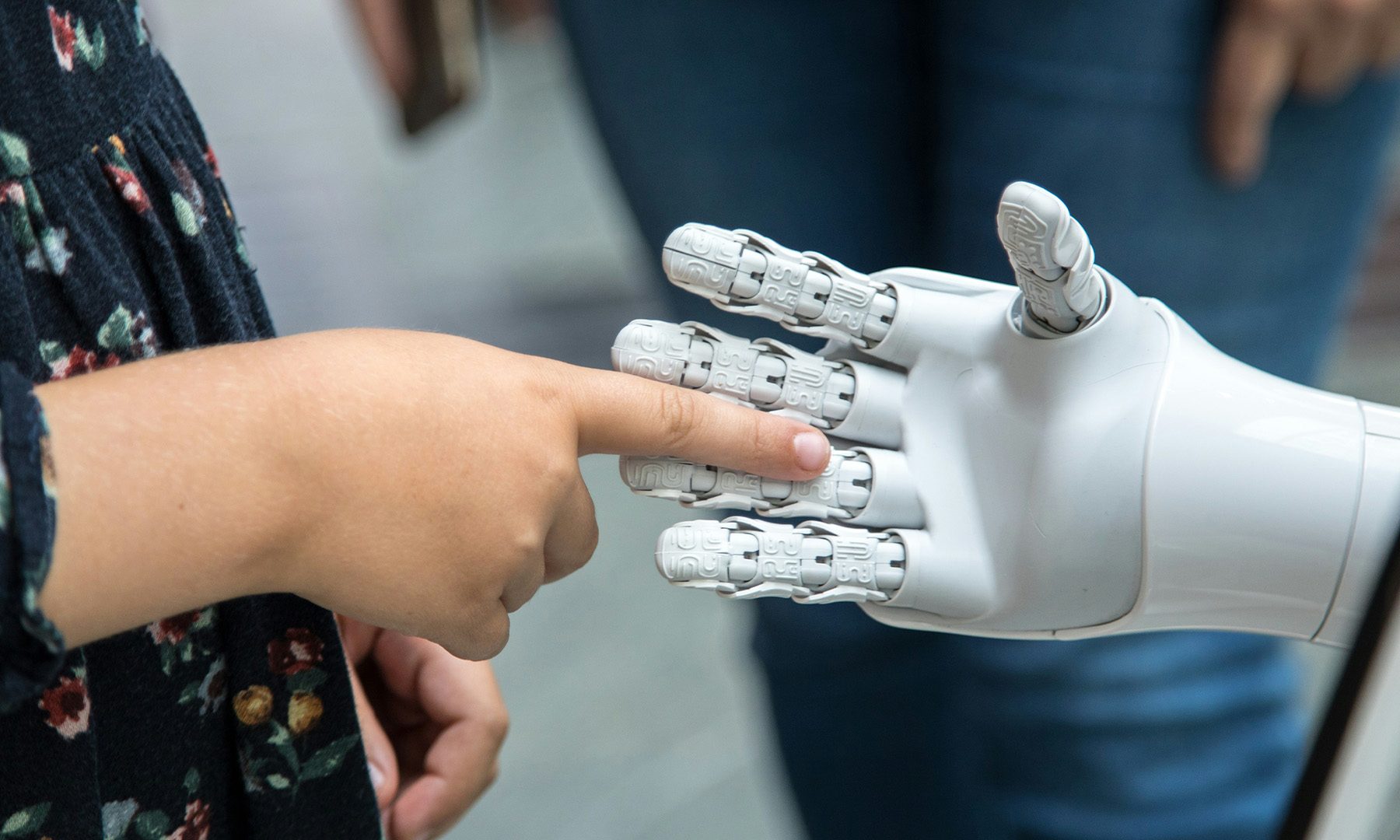
Robot Touch Human Finger

Samsung wants a place in the humanoid race, but its new robotics push begins with machines built for factories rather than homes.

The CEO-led RX robotics division will initially focus on manufacturing robots. Samsung has separately identified humanoids as a priority, although it hasn’t announced a commercial model or explained where one fits into the division’s immediate plans.

Read more
The future of AI may depend on this one behind-the-scenes change
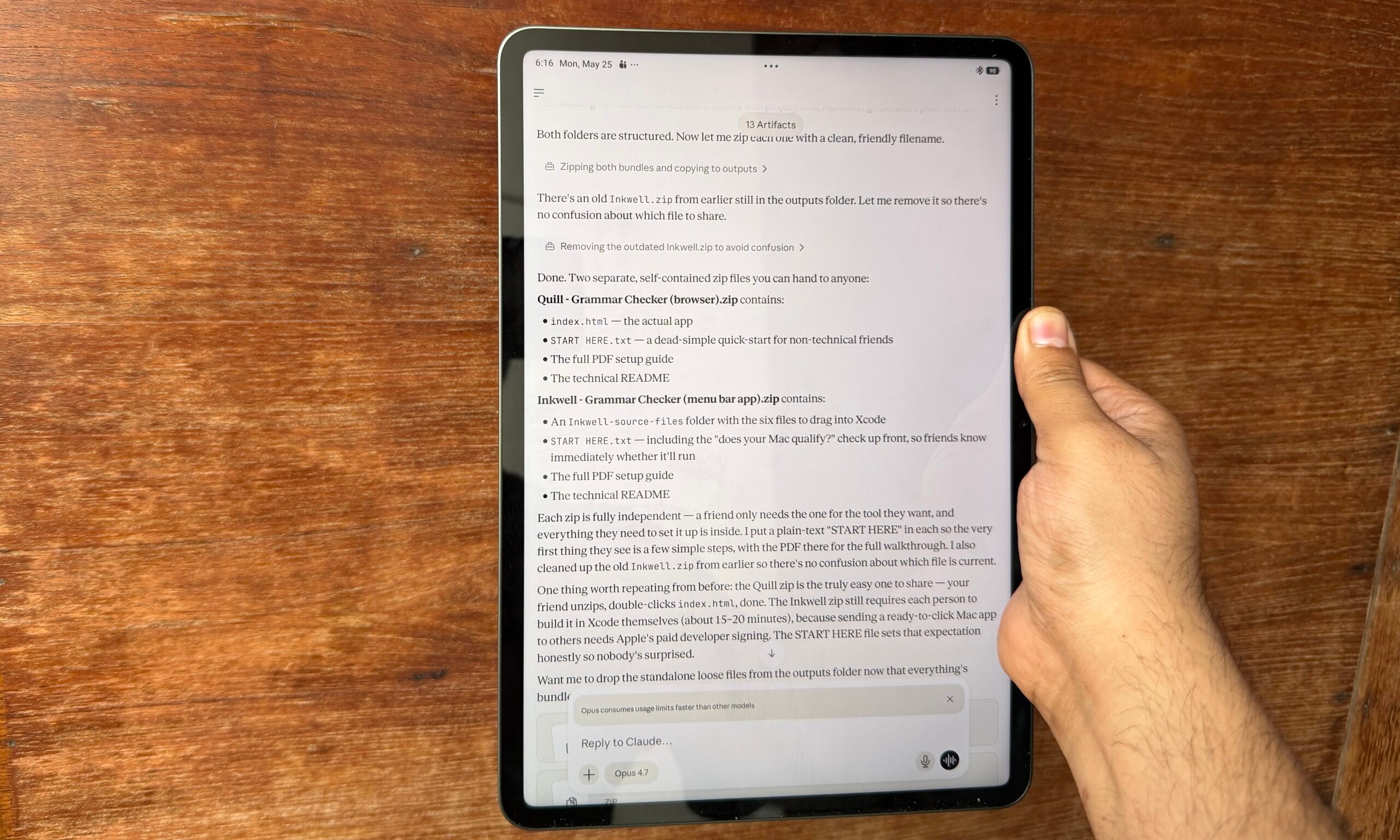
Running Claude on Android.

Whenever a new AI model arrives, it's easy to get caught up in the bells and whistles. We talk about how much smarter it is, how quickly it answers questions, or how realistic its images have become. But here's the thing: none of that matters much if the AI can't reliably work with the apps and services people use every day.

That's why an upcoming update to the Model Context Protocol (MCP) caught my attention. It isn't a new chatbot or a fancy AI model. In fact, most people will never even know it's happening. But it could quietly make the AI ecosystem a lot healthier. If you've never heard of MCP before, don't worry. Think of it as a shared language that lets AI assistants safely talk to apps like Gmail, Slack, calendars, databases, and countless other services. Instead of every company inventing its own way to make those connections, MCP gives everyone a common rulebook.

Read more