When I first tried the second-generation AirPods Pro, I strongly believed that they couldn’t be topped meaningfully by a successor. That’s just how good they were. With the AirPods Pro 3, Apple has pulled off an unprecedented stunt. The gains are spread across the board, instead of being limited to one or two aspects.
The latest from Apple retains the same asking price but adds a heck ton of tangible benefits. They sound better, deliver a superior noise cancellation experience, enable a bunch of AI-powered conveniences, and even throw a heart rate sensor into the mix.
This year, the AirPods Pro have evolved into something more. A fitness tracker? A translator? An AI-powered workout guide? Let’s dive right in.
Get them for the silence
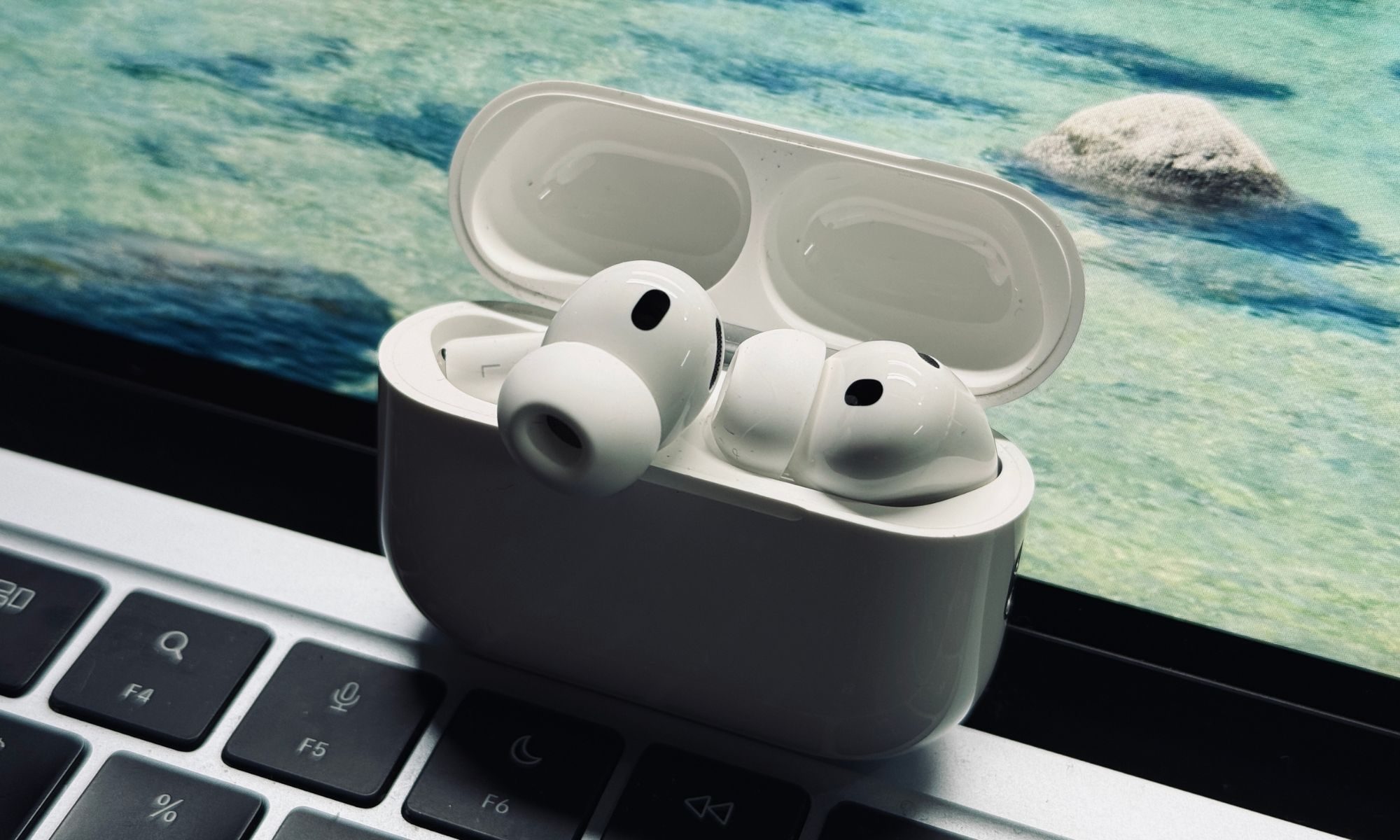
I am not a huge fan of the AirPods Pro 3’s audiophile chops, but that’s a personal preference because I stick with a DAC and prefer deep EQ personalization. But for a majority of people who aren’t trading EQ profiles online, the AirPods Pro 3 are easily on the Mount Rushmore of wireless earbuds when it comes to raw sound quality.
This year, Apple has redesigned the acoustic chamber with refined airflow to improve the bass sensitivity and further widen the soundstage. The changes are perceptible, but not to a dramatic extent. The AirPods Pro 3 deliver a pleasing bass, and if that’s something you value in your listening experience, you won’t be disappointed.
Oh, they are more comfortable to wear, as well.
I handed them over to my siblings, friends, and even a few strangers in my work cafe. They loved the “balanced” and “rich” sound profile, and they’re not wrong. I could feel the synth and reverb pretty well, without losing out on the bass stabs. The sound output is more energetic, vibrant, and with a deep level of instrumental detail.
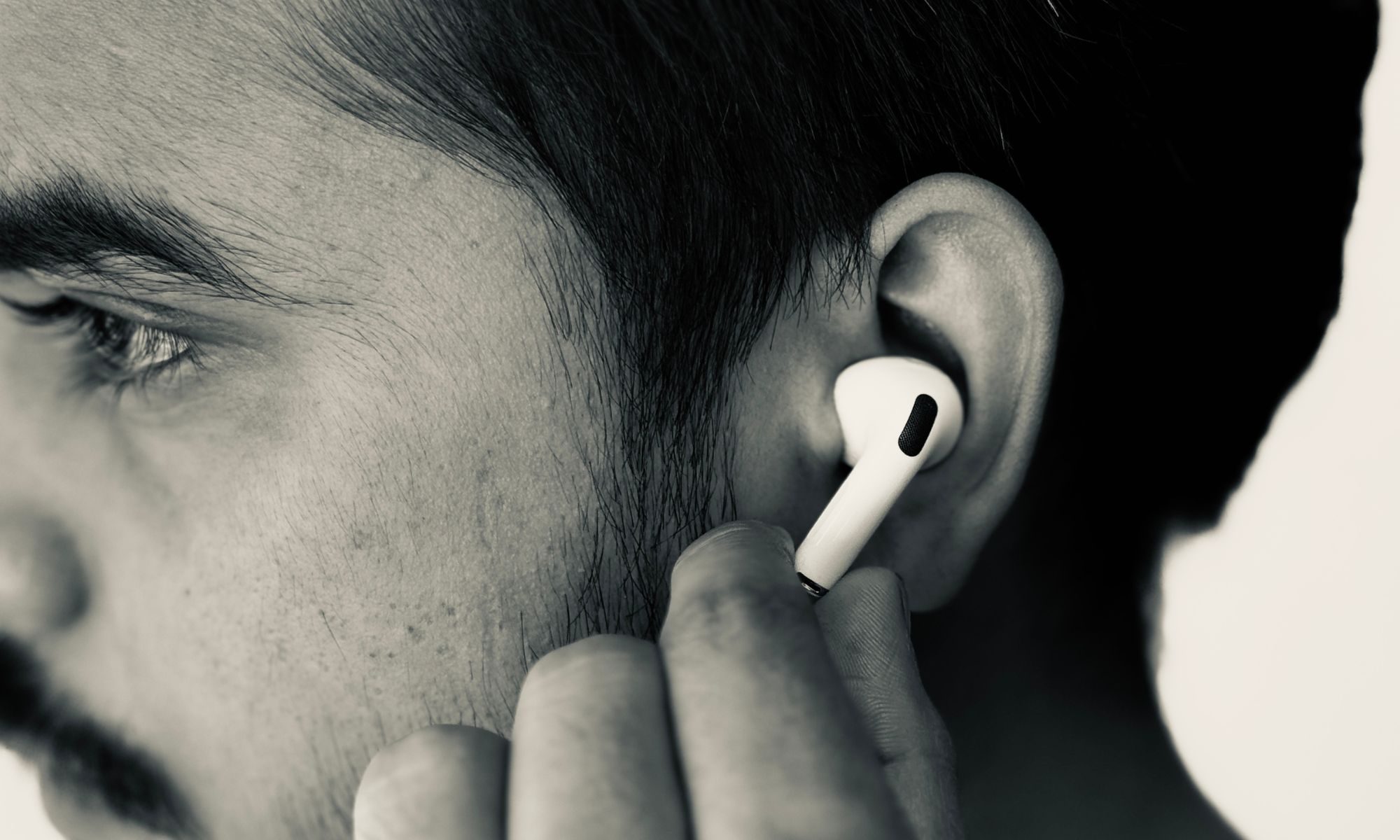
You can feel the thump in the electronic beats of Daft Punk, and you will equally find yourself lost in the mellifluous flow of Morteza Pashaei crooning Persian love songs in your ears. And even if you’re a fan of R&B tracks, you’ll notice minimal frequency interference and clearly hear the sub-bass against the lead vocals.
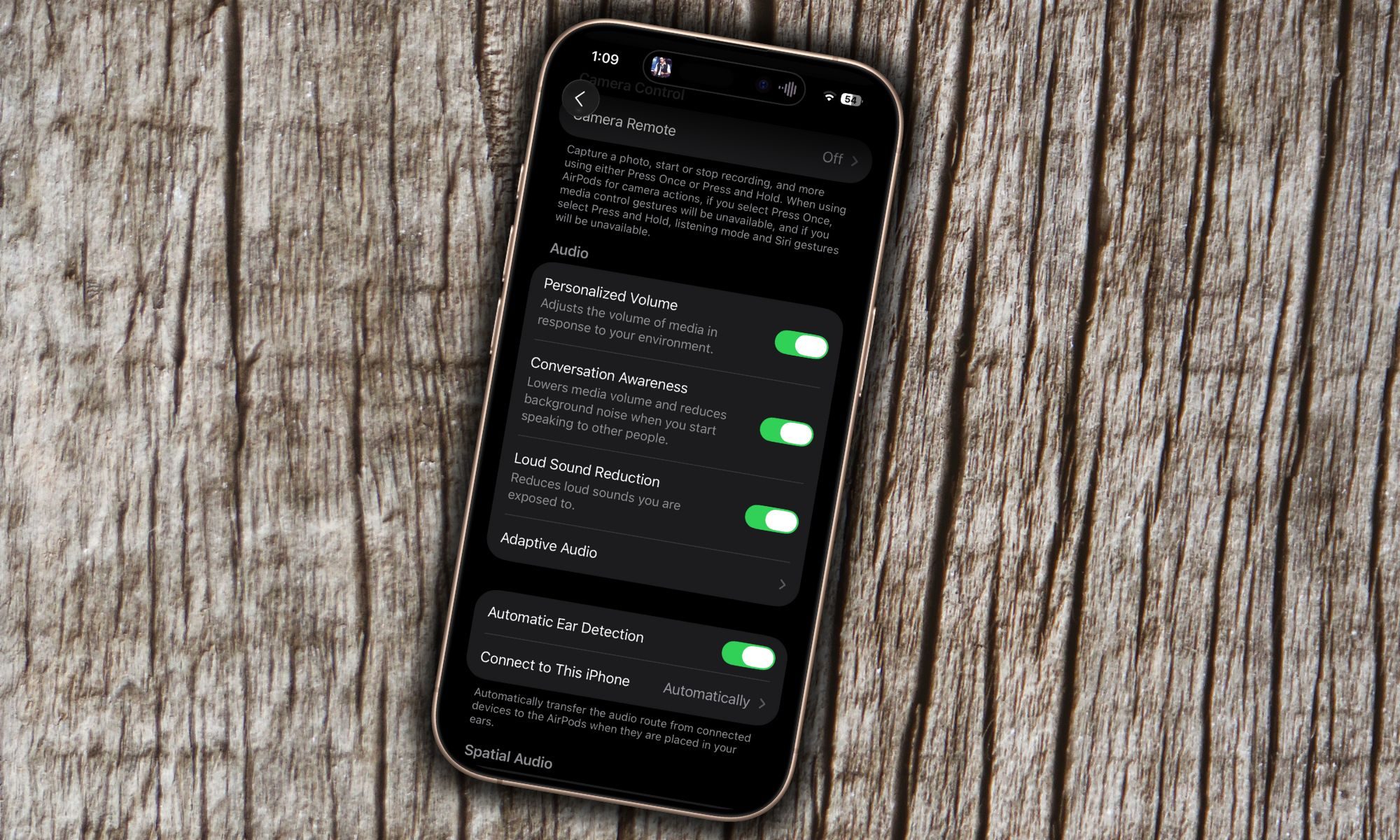
I can also report that the Adaptive Audio and Personalized Audio features work as advertised. You can notice them making tangible adjustments in the sound output and noise cancellation in real time. Apple is leagues ahead of other earbuds in this department. It’s almost akin to an extremely efficient audio assistant for your ears.
Now, I prefer to listen to my music at tolerable volume levels for two reasons. First, when the volume levels are beyond 80 or 90 percent, distortion becomes apparent, and the whole experience gets jarring. Second, I want to maintain and keep my eardrums in a healthy shape for the long run. The AirPods Pro 3 helped me account for both the protocols.
The real winner, I might point out, is the active noise cancellation performance. Apple boldly claims that third-gen AirPods Pro offer 2x improvement over their predecessor, which is a pretty bold claim in itself. I can’t quite quantify the improvement, but the AirPods Pro 3 are definitely better at suppressing the external noise signals.
Listening to Infiltrator by Nine Inch Nails at nearly 50% volume, the earbuds drowned out the entire noise of the music blaring in the coffee shop speakers. I haven’t come across earbuds that can manage this level of acoustic isolation. Sitting in a subway metro rail, I could only hear a faint remnant of the station announcement on the speakers.
The noise isolation is so good that while heating up a few slices of leftover pizza, I could hear nothing from the microwave right in front of me, and had to double-check if I even turned it on. Apple has done a better job at accounting for a wider range of frequencies to cancel on the AirPods Pro 3 than the previous generation.
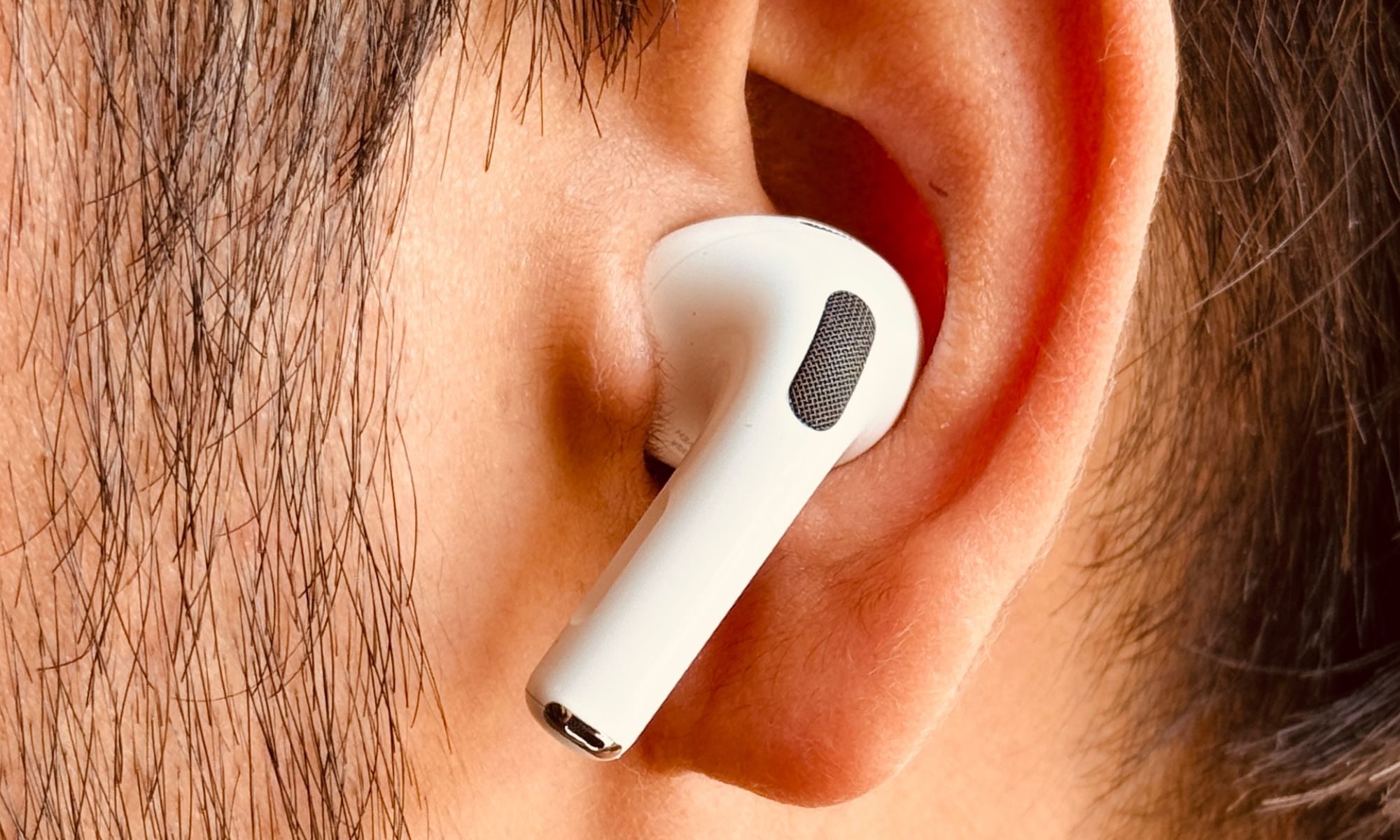
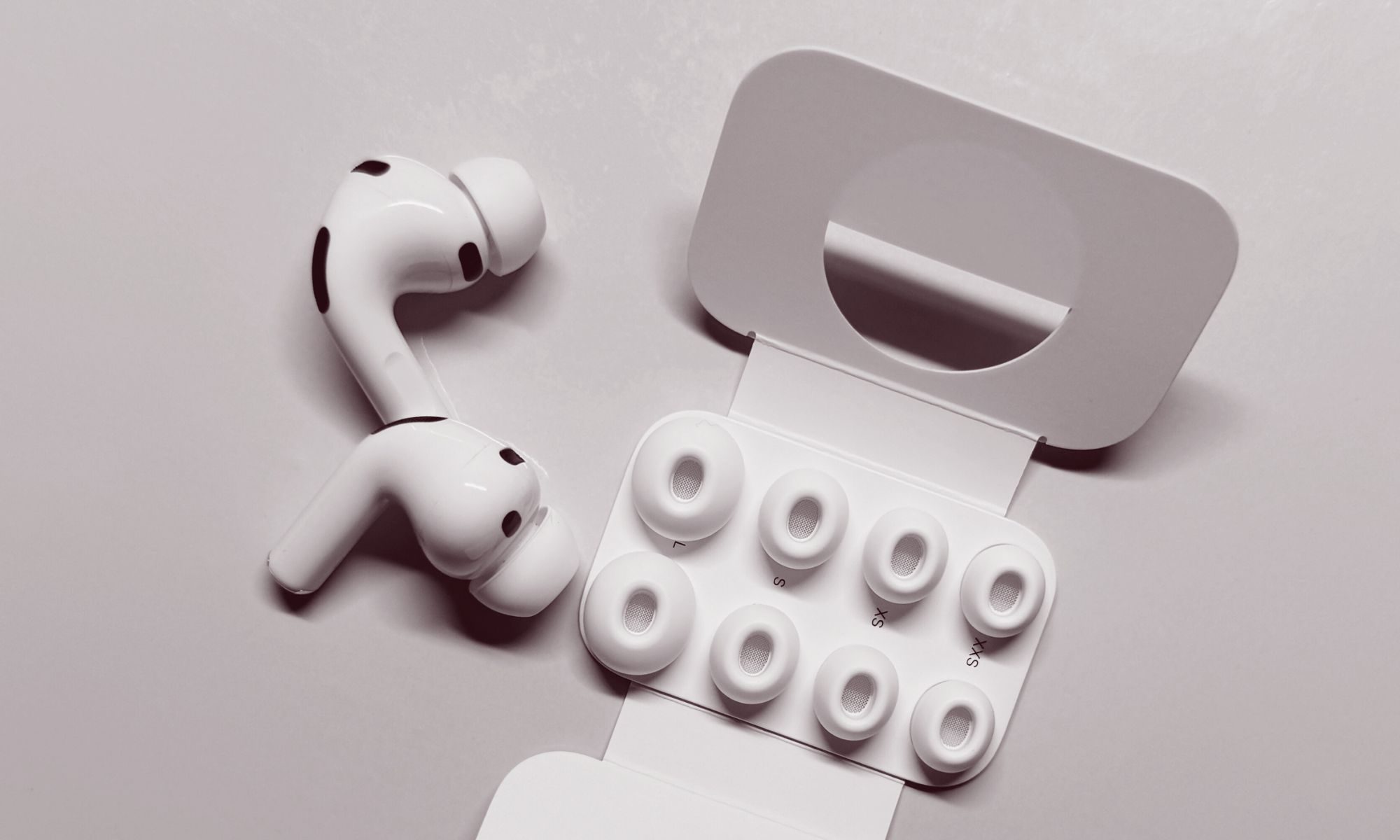
If you commute on public transport on a daily basis, need something for crowded flights, or something that can simply silence the chatter in a coworking space, the AirPods Pro 3 will ace those tests. I would, however, suggest trying all the earbud sizes and picking the one that offers the best ear canal seal. For me, the “L” size worked best.
The new silicone-foam hybrid tips feel a tad better than the rubberized tips Apple has supplied till date. As far as in-ear fit goes, they offer a tighter acoustic seal, as well. However, they still can’t quite replicate the comfort and in-ear conformity you get with third-party memory foam tips, such as those sold by Comply.
Coveniences reign supreme
I often tell readers and my real-life acquaintances to pick AirPods if you’re locked deep within the Apple ecosystem. Otherwise, if music listening and some noise isolation are all that you seek, the likes of OnePlus Buds 4 will do just fine and save you loads of money, too. The AirPods Pro 3 don’t change that status quo.
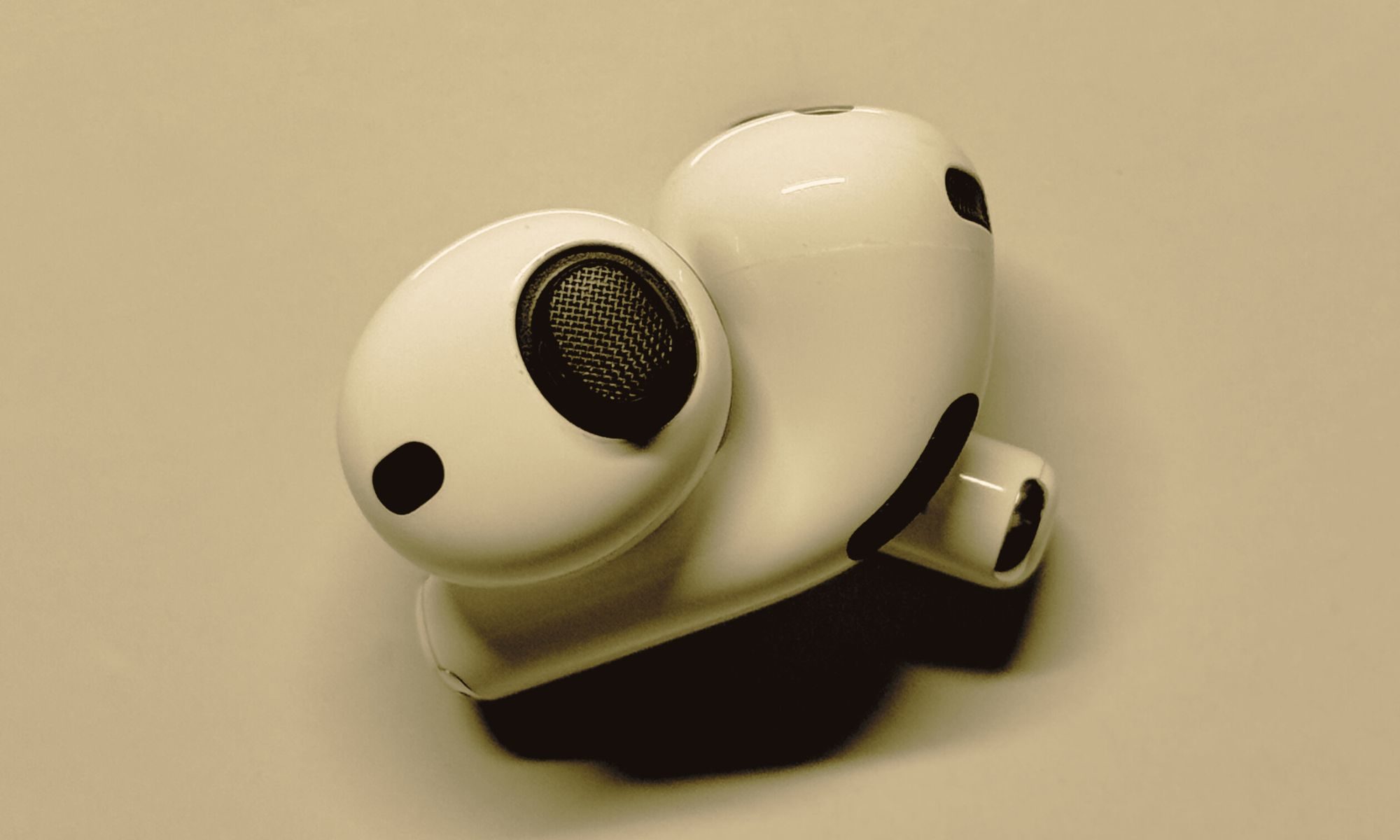
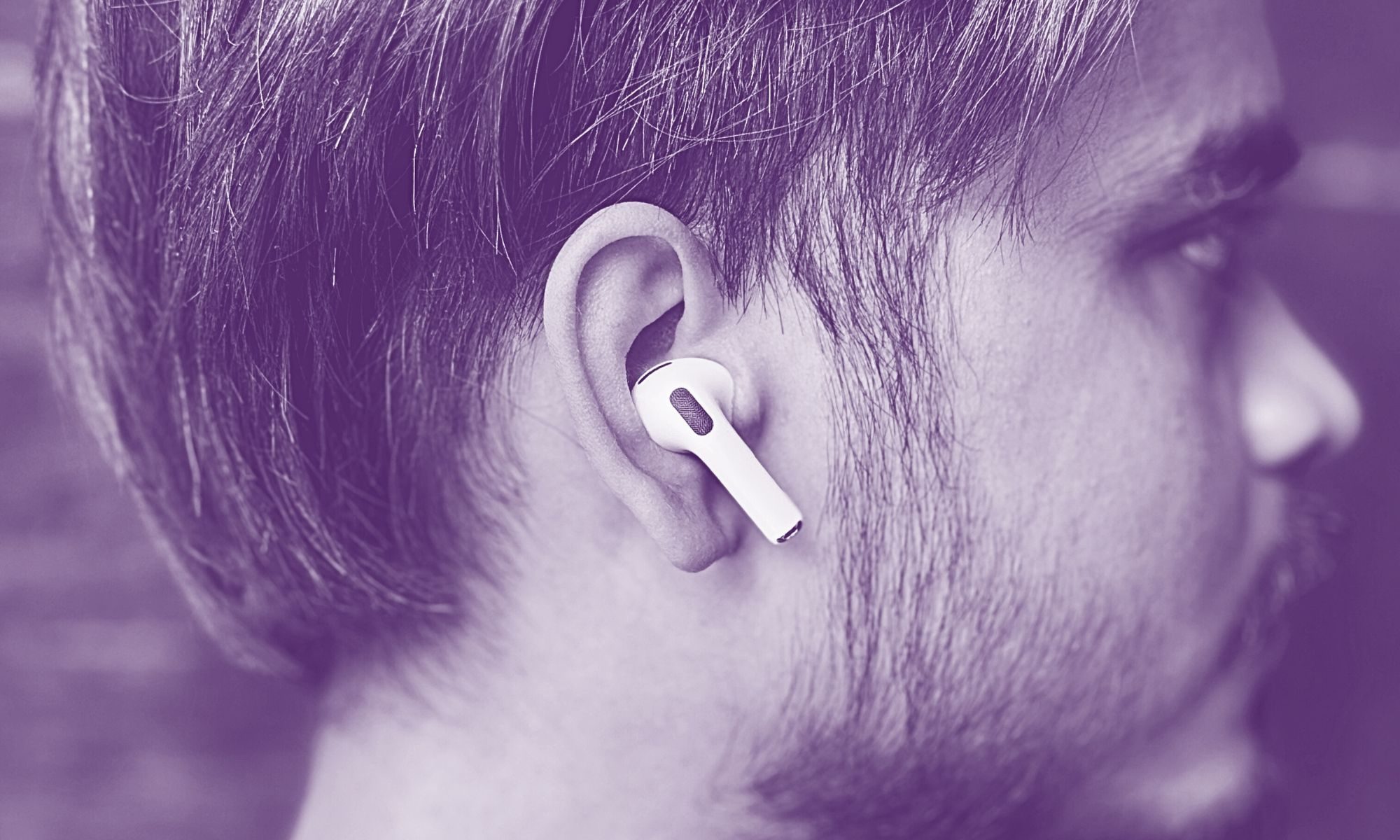
Instead, they offer even more reasons to keep your foot within Apple’s walled garden. The most notable addition is the heart rate sensor on the earbuds. It’s not a first in the industry, but definitely a perk and arguably the most well-integrated within a health ecosystem.
The sensor supports heart rate measurement for over 50 workout types and works alongside the onboard sensors, including the motion-detecting accelerometer, to deliver pretty accurate results. When compared against the Apple Watch Series 11 and Samsung Galaxy Watch 8, they fared pretty well.
In three scenarios – resting, running, and elliptical bike — the readings from the earbuds were in line with the smartwatches. The only deviation I noticed was worth around 1-2% during outdoor runs covering a loop of five kilometers. Or between 4-8 beats per minute, if you need a better idea.

I think that’s probably due to the loss of skin contact from time to time. For the most accurate reading, I’d suggest picking the eartips with the tightest in-ear fit, or going with memory foam tips. But at the end of the day, sweat is going to create some problems, but not enough to deliver wildly inaccurate readings..
The deviations were mostly noticeable when the heart rate spiked, in case you’re feeling curious. Above all, the ability to work out without having to wear a watch or band is pretty convenient. I was quite skeptical, but Apple has done a fantastic job here, and to an extent that the AirPods Pro 3 fare even better than a healthy bunch of smartwatches out there.
One of the marquee features this year is live translation. I handed them over to my brother, who speaks German, and he gave them a thumbs-up. He pointed out that the lag of one or two seconds can feel a bit unnatural, but it’s not really a dealbreaker. For the target audience, which can include everyone from backpackers and students to businessmen, this feature can get the job done.
Of course, it also struggles. For straight conversations, including those in a news broadcast or film, they do a fine job. But as you shift to conversations with linguistic nuances such as proverbs or colloquial terms, things go haywire pretty soon. It’s a problem with virtually every translation app or device out there, and something only a well-read human translator can handle well.
Also, keep in mind that the translation files take up a healthy bit of space and need an iPhone that natively supports Apple Intelligence. For me, the biggest drawback was that the language support is currently limited to English, French, German, Portuguese, and Spanish.
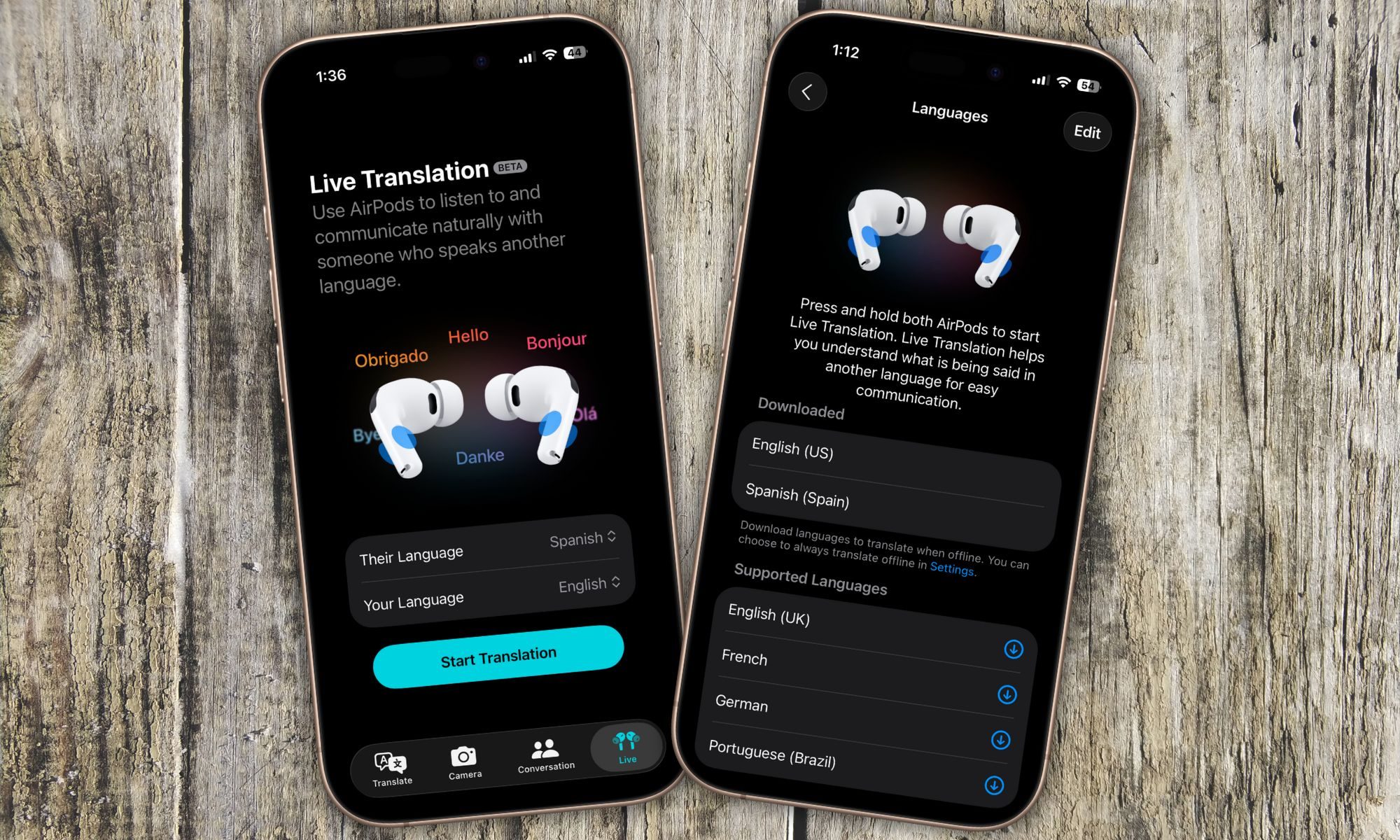
There is no support for Hindi, which has twice as many speakers as French or Portuguese. Similar is the situation for other major languages such as Mandarin and Arabic. In a nutshell, if you stick within the Americas and Europe, or speak English as a second language, you’re good. For the rest, the wait time is unspecified.
A sum total of many parts
When you decide to splurge on earbuds that cost as much as the AirPods Pro 3, you don’t usually chase a single aspect, such as sound quality, noise isolation, or heart rate tracking. There are options out there that do it for much less than Apple’s flagship earbuds. Thankfully, Apple’s latest hearable scores high on that metric.
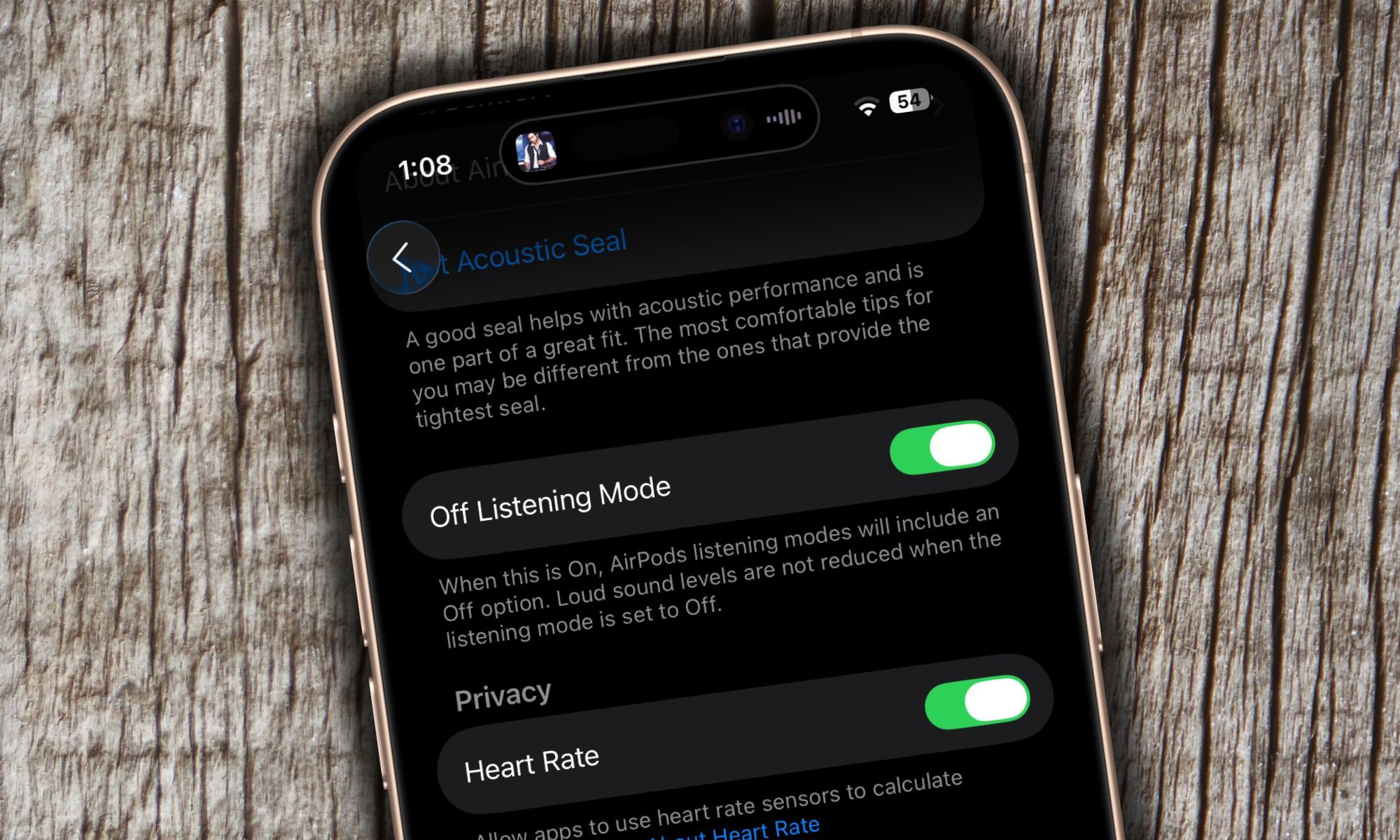
Hearing assistance is one of the most underrated features of the AirPods Pro 3, and for multiple reasons. An average OTC hearing aid from a reliable brand would usually cost three or four times as much. In Digital Trends’ analysis that involved lab tests and audiologist consultations, the AirPods Pro 2 exceeded expectations and proved to be fairly accurate at estimating frequency sensitivity. The AirPods Pro 3 maintain that status quo.
I am personally not a huge fan of spatial music blasting through earbuds, but the head-tracked surround sound output on the AirPods Pro 3 is simply the best out there. Apple’s seamless device switching and automatic pairing are also peerless and supremely convenient. And as a person who misplaces stuff at an alarmingly high frequency, Find My tracking support is a godsend.
As far as tracking goes, the AirPods Pro 3 also supports Precision Finding to locate them with ease, and with 50% higher accuracy, thanks to the next-gen Ultra Wideband chip inside. There’s also a speaker fitted inside the charging case to provide audio cues, as well. Audio Sharing is another feature that comes in handy if you want to watch content together with a friend or family member with their own pair of AirPods.
Apple’s conversational awareness perk and transparency are also in a league of their own. There is barely a lag of one or two seconds when you start to speak, and the earbuds automatically switch to the conversational awareness mode. Audio playback levels are automatically lowered, and as soon as you stop speaking, things go back to normal.
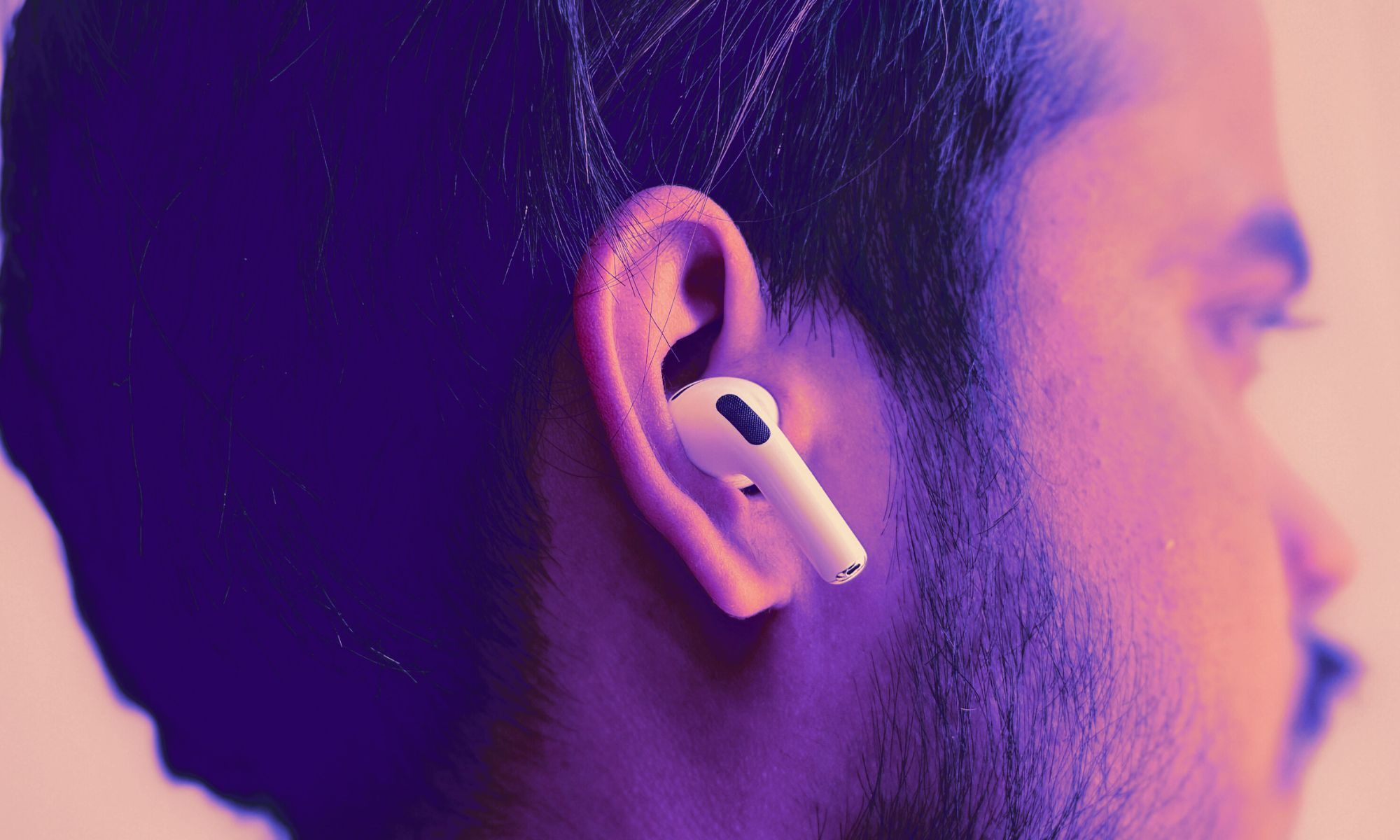
They are also more resilient this time around, thanks to the IP57 tier dust and water protection. Battery mileage is pretty good, and falls in line with Apple’s claims of eight hours of listening time per charge with noise cancellation enabled. I regularly ended my work day without seeing a low-hattery alert.
An easier pick than ever
In 2025, more than any other year for the AirPods, Apple’s earbuds give even more reason to stick within the ecosystem. But it’s not merely the conveniences that set the AirPods Pro 3 apart. On the contrary, they build on the fundamentals and deliver a raw audio experience that puts them right at the summit.
If one digs into the audiophile side of the debate, the second-gen Bose QuietComfort Ultra Earbuds and the Sony WF-1000XM5 emerge as a solid alternative, especially with perks such as better codec support, custom EQ flexibility, and signature turning. But if one were to take a holistic value-focused approach, the third-gen AirPods Pro are nigh unbeatable.
Buy the AirPods Pro 3 today