1. Home
  2. Emerging Tech
  3. Computing
  4. News

You can 3D print Google’s wacky 10-dial Gboard that’s unlike any other keyboard

Here's a fun keyboard you can try from the Google Gboard team

Add as a preferred source on Google
Gboard ダイヤルバージョン / Gboard Dial Version

What’s happened? Clearly taking inspiration from rotary dial telephones, Google is introducing a new keyboard that will turn heads in the office. Google Japan has announced the release of its new 10-dial Gboard, which brings a new way to type.

  • The new Gboard features ten dials featuring a combination of letter, numeric keys, and function keys.
  • To use this new keyboard, users rotate each letter till they stop.
  • All rotating keys are fitted into a rectangular frame similar to a regular keyboard.

Why is this important? This isn’t the first time that the Google Gboard team has introduced a weird keyboard. With each entry into Google’s list of weird keyboards, the Gboard team shows just how innovative they can get.

Why should I care? Technology is fun, and so is trying out new things, and that is what the Gboard team did. According to the team, after looking at its previous keyboard entries, they realized they hadn’t tried one input method: rotation.

  • The keyboard brings a nostalgic buzzing sound.
  • Google’s Gboard team says it increases typing speed.
  • While this keyboard isn’t available for sale, you can 3D print one for yourself.

Okay, what’s next? It’s hard to predict what the Google Gboard will come up with next. So, we just need to wait for the next keyboard introduction from the Google Gboard team.

Collins Eshiet
Former News Writer
Collins is a technology writer who's also fascinated about cars and space. Over the last five years, he has had the…
Robots can now ‘see’ touch thanks to a new color-changing tactile sensor
Researchers have developed a color-changing tactile sensor that turns pressure into visible information.
Robot Touch Human Finger

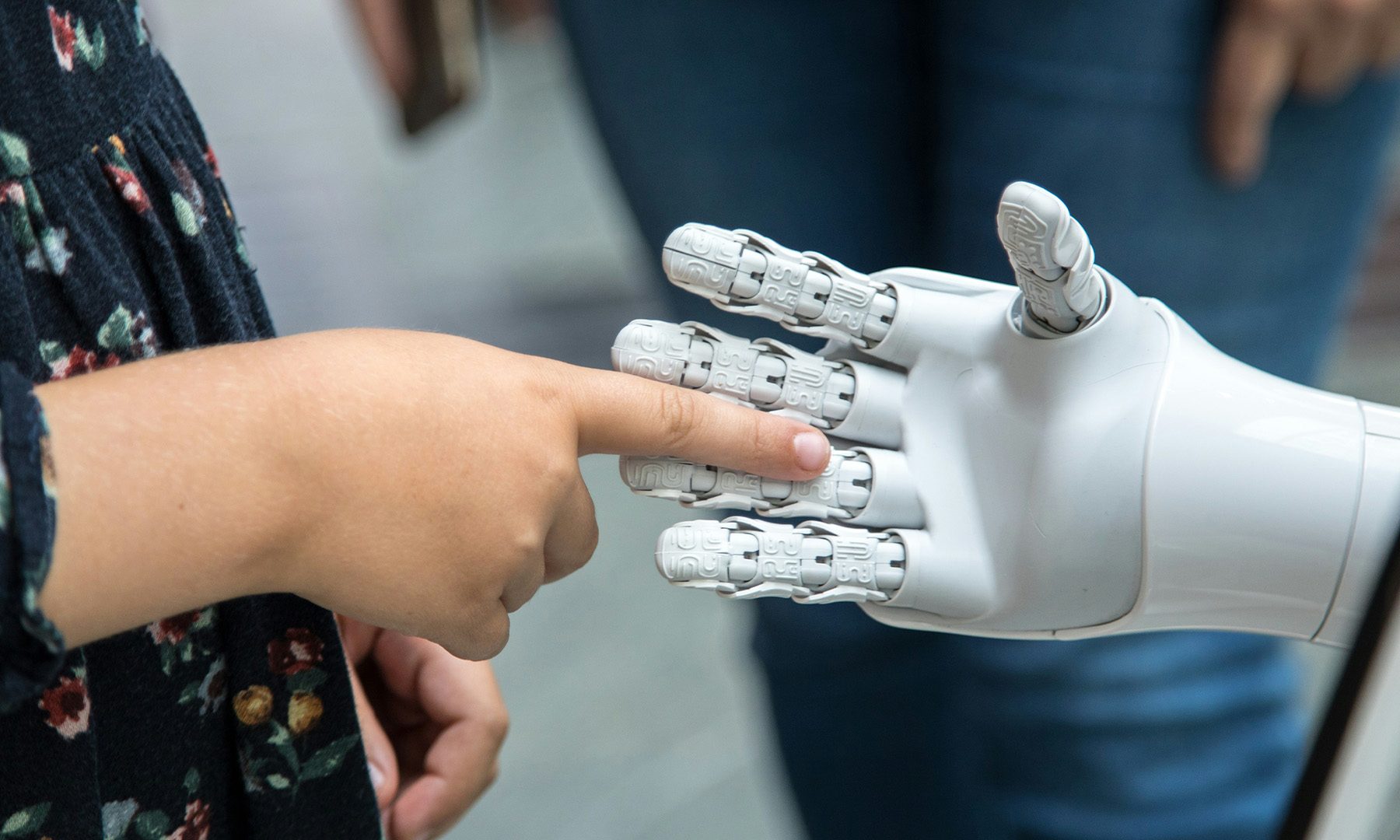
Most robots are pretty good at seeing, but touching? That's been a much tougher problem. While humans instinctively know how hard they're gripping a coffee mug or pressing a button, robots have traditionally relied on complex arrays of tiny sensors to estimate the same thing. Now, researchers at Queen Mary University of London believe they've found a much simpler solution: make touch visible.

A sensor that turns touch into color

Read more
Chrome is getting better at understanding the breaks and punctations you never say out loud
Voice typing in Chrome is about to feel much more natural
Google Chrome on Android Featured

Google is quietly making voice dictation in Chrome feel a lot more natural. With the latest Chrome 151 Beta, the company is introducing a new capability that allows the browser's speech recognition engine to automatically infer punctuation based on the way people speak, eliminating the need to explicitly say commands like "comma" or "full stop."

The update may sound minor at first glance, but it addresses one of the biggest frustrations with voice typing: speaking naturally often produces text that lacks punctuation unless users consciously dictate every punctuation mark. By teaching Chrome to understand pauses, rhythm, and speech patterns, Google is taking another step toward making conversations with computers feel more human.

Read more
Horror films play music to warn about danger. These headphones use the same trick to save you from robots
Spherephones replaces factory alarms with music that tells you what is coming and from where.
spherephones-georgia-tech

The ear has always processed what is coming before the eye does. In horror movies, the music always tells you something bad is coming. Now researchers at Georgia Tech are using the same idea in real life to keep factory workers safe around robots.

They have built a wearable headset called Spherephones that converts nearby robot movement into spatial music, giving you a warning before a machine gets too close. It helps the user stay aware without breaking their attention.

Read more