
Facebook turns 10 today. In human years, the social network is too young to stay home and watch TV alone, but in tech startup years, it’s a geriatric. For the past few years – and especially since Snapchat stole the hearts and minds of our nation’s tweens (and perverts) – Facebook has started smelling stale. It isn’t cool anymore, and hasn’t been for a couple years. Worse, teenagers and 20-somethings are using it less and less. But Mark Zuckerberg has a plan.
He’s chopping Facebook up and feeding it to us in completely new ways.
Facebook could have spent the next 10 years coasting toward irrelevance as new products cropped up that were native to mobile, geared towards whatever generation’s coming after Millennials, but Zuckerberg saw this coming before we did.
Facebook is pulling itself apart, fine-tuning the pieces, and putting them on mobile.
Zuckerberg has realized that Facebook doesn’t have to be called Facebook, and it doesn’t have to look like Facebook. Mobile is the future, and what used to work isn’t necessarily going to work anymore. Facebook’s standalone app strategy, its purchase of Instagram, its new monetization strategy (53 percent of revenue came from mobile last quarter), and its one-two punch of Messenger and Paper all demonstrate that it can evolve and is evolving.
Instead of clinging to its old identity, Facebook is isolating the features that people like to use and turning them into standalone apps, barely branded as Facebook so as not to infect them with the musk of lameness that pervades the brand. It is pulling itself apart, fine-tuning the pieces, and putting them on phones, tablets, and anywhere else communication thrives.
It’s not an easy strategy, and Facebook has made some big missteps along the way. Poke and Camera, Facebook’s first two standalone apps, were terrible. And Messenger was initially too similar to normal Facebook Chat to even classify it as a standalone app. But Zuckerberg and his teams didn’t give up. He formed Creative Labs, and filled it with talented people, including some from Apple. They redesigned Messenger, and built Paper from the ground up, which is one of the best-looking apps on the market today.
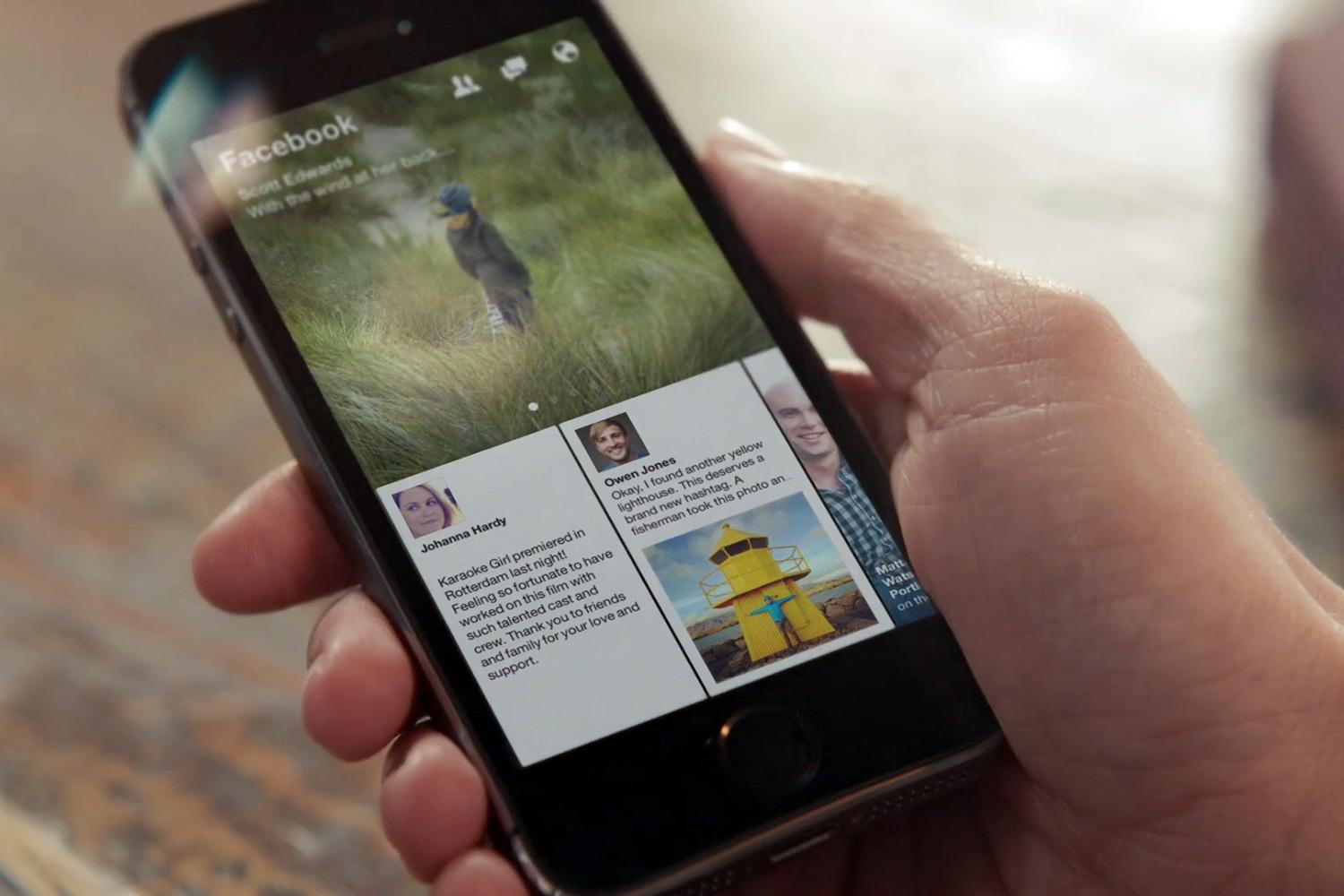
Facebook has a footprint on phones and tablets now. Paper is the mobile app Facebook desperately wanted Home to be, the mobile app Facebook has needed. It’s not the website slapped on a phone, and it actually works as a news reader, which, despite all its increasingly pathetic attempts to emulate Twitter, the News Feed never will.
Paper is the blueprint. Here’s what it says: Take the feature people use on Facebook. Dismantle it until just the idea is left. And rebuild. (Another alternate map: Buy another Instagram, since the company’s standalone photo app continues to excel.)
This strategy will succeed because it allows Facebook to branch out. Even if the core product loses momentum, the standalone apps and future new ideas will keep the company young. Facebook, the desktop website that we used like fiends in college, is wheezing. But Facebook, the company, is still thriving and growing because it is showing itself to be more radical than many of us realized. Radical enough to remake everything about itself to survive, and doing it over and over.
Like any 10-year-old, it’s hard to imagine what Facebook will look like in another 10 years. But after its latest changes, we’re looking forward to finding out.


