  1. Home
  2. Mobile
  3. Music
  4. Legacy Archives

Music streaming services must evolve to survive, says new report

Add as a preferred source on Google

According to a new report from analysts Generator Research, music subscription services such as Spotify will never be able to make a profit in their current state — and that’s largely because of the hefty royalty fees they have to pay out to artists, the labels that represent them and rights management groups.

The dollars and cents that actually trickle down to the artists themselves isn’t very much — as Thom Yorke and others have pointed out — but nevertheless subscription streaming services currently hand over 60-70 percent of their revenue to record labels and other interested parties, and Generator Research says that’s unsustainable.

Recommended Videos

All is not lost, though. Subscriptions to Spotify, Rdio, Pandora et al are expected to more than double by 2017, and Generator Research analysts believe new ways of boosting income can be found. This could include bundling music streaming privileges with mobile contracts or broadband deals, for example.

“Music subscription services providers are all losing money, and that is going to remain the case until they find a way to monetize a worldwide user base,” explains the study, as reported by ComputerWorld. “Putting to one side the quality of the actual service, which most users would rate very highly, the facts show that Pandora — when viewed objectively as a business — is in dire straits. We are at a loss to know why the company’s stock has performed so well, especially over the last 12 months.”

Another potential revenue stream could involve anonymized behavioral data being sold on to advertisers. The most important source of growth, according to the report, is converting free users into paid ones: both Spotify and Rdio have relaxed free listening limitations in recent months.

For a more complete guide to the labyrinthine payments system currently in place in the music industry, have a read through our previous posting.

David Nield
Former Contributor
Dave is a freelance journalist from Manchester in the north-west of England. He's been writing about technology since the…
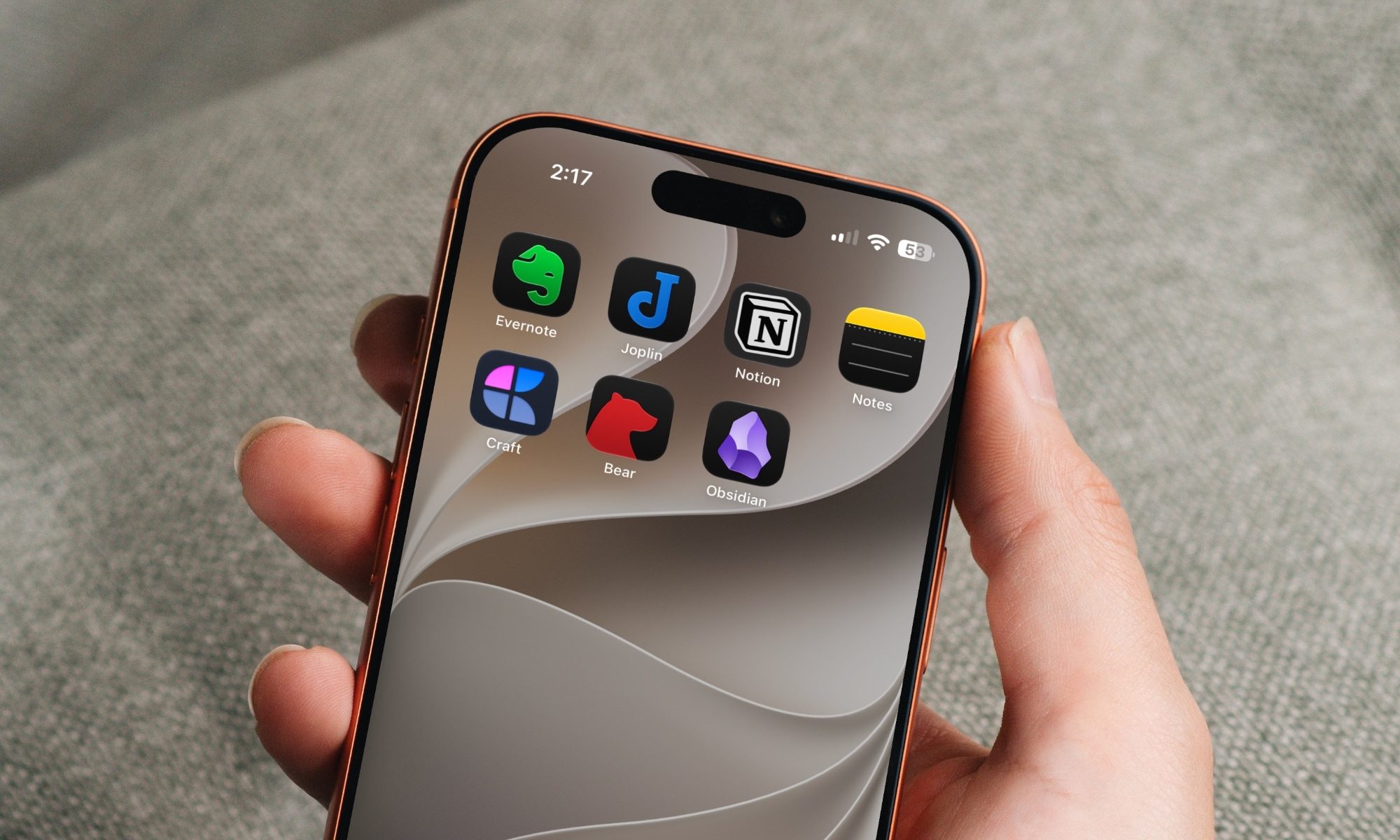
The best note-taking apps for iOS and Android
I tested these apps for months so your notes never have to switch homes again.
iPhone showing note-taking apps

Choosing a note-taking app is not easy. What note-taking app you choose depends on your needs, the platform you use, and of course, the cost. The process becomes even more complicated as it seems that there’s a new shiny app released every other week. 

That’s why I always suggest choosing a note-taking app that has all the features you need and can last you for a long time. Also, don’t chase new apps. The real power of a note-taking app comes when all your notes live in one place, making it easy to spot connections between them.

Read more
The best phones in 2026: our 14 favorite smartphones right now
We tested phones across all price brackets so that you can make the best pick based on your needs and budget.
Google Pixel 10 Pro Fold vs Galaxy Z Fold 7 cameras

Choosing the right smartphone in 2026 is no easy task. Apple and Android manufacturers now have strong options at almost every price, while better cameras, longer battery life, improved software support, new AI features, and more refined foldable designs have made the market more competitive than ever. But picking one is not easy, especially if your budget is tight, or you are just legitimately concerned about getting the best value for your money and need a reliable daily driver for long-term usage.

We have tested and compared the leading smartphones available today, looking beyond the spec sheet to see how they actually perform in daily use. Camera quality, battery life, performance, display quality, software, design, and long-term value all play a part in our recommendations. Whether you are looking for a powerful flagship, a dependable budget phone, a compact device, or a foldable, this guide should help narrow down your choices.

Read more
Snapchat Planets Meaning: Order, Rankings, and How Friend Solar System Works
Snapchat Planets turns your best friends list into a solar system, and yes, your orbit says a lot
Snapchat Planets being shown on the Snapchat app on iPhone.

Snapchat+ includes several exclusive features, but few have generated as much curiosity as Snapchat Planets. Part of the app's Friend Solar System, it transforms your Best Friends list into a planetary ranking, assigning each of your top eight friends a planet based on how often you interact.

From Mercury, which represents your closest friend, to Neptune, which represents your eighth closest, the system offers a quick visual snapshot of your interactions. But what do the different planets actually mean, and how does Snapchat decide who gets which one?

Read more