1. Home
  2. Social Media
  3. Web
  4. Legacy Archives

Facebook is getting more aggressive with hiding News Feed spam

Add as a preferred source on Google

Mentioned on the Facebook Newsroom earlier today, the social network has increased pressure on pages that publish low-quality content in hopes of attracting attention or social interaction. Specifically, Facebook will be demoting content that users beg for likes, shares and comment as well as content that’s too frequently shared and link-based posts that are deemed as spam by Facebook users. By devaluing this content within the Facebook feed, users will be exposed to more high-quality content each day. 

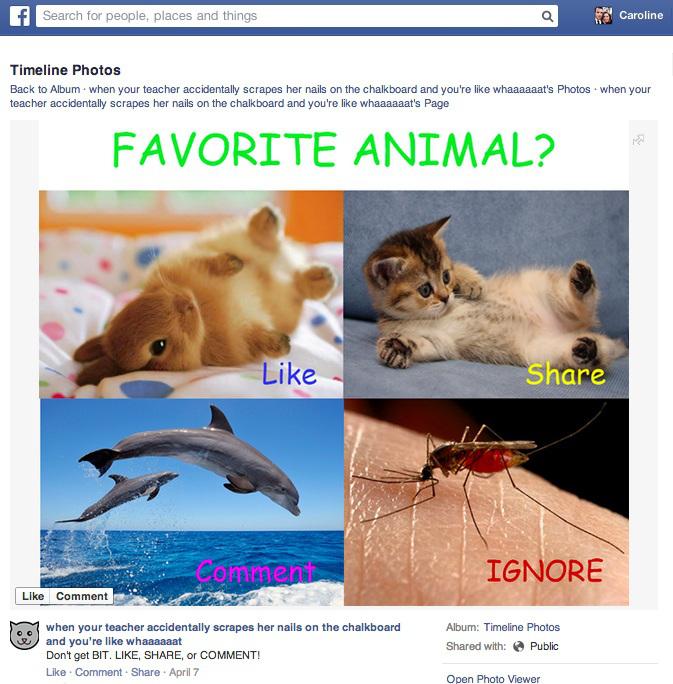
Regarding content that Facebook has called “like-bait,” posts will be devalued when the original poster asks for artificial social inflation. According to a study conducted by Facebook, representatives of the social network discovered “like-baiting stories are, on average, 15 percent less relevant than other stories with a comparable number of likes, comments and shares.” The changes that have gone live today will reduce the number of stories that include phrases such as “Like, Share or Comment” in the post, image description or even the image. 
like-baiting-spam-screenshot
Image used with permission by copyright holder

Interestingly, Facebook is pushing pages to share more original content rather than recycled content found around the Web. According to the same study, Facebook discovered that users are more likely to complain and potentially de-fan a page when the page admin posts a piece of content that’s already made the rounds on the social network. After Facebook started reducing the emphasis of these page posts, people are hiding approximately 10 percent fewer fan page stories.

Recommended Videos

The final change focuses on reducing the number of spam links that are listed within the feed. Facebook will be measuring how often a visited link is liked or shared with a friend on Facebook. Thus highly original, interesting content should receive more social interactions and exposure of that content will increase on the feed. Vica versa, low-quality, spammy links will be devalued in the feed.

Mike Flacy
By day, I'm the content and social media manager for High-Def Digest, Steve's Digicams and The CheckOut on Ben's Bargains…
After YouTube, TikTok is testing its own AI likeness detection tool
TikTok's new tool lets creators flag AI deepfakes of themselves directly.
Home page of TikTok on Web.

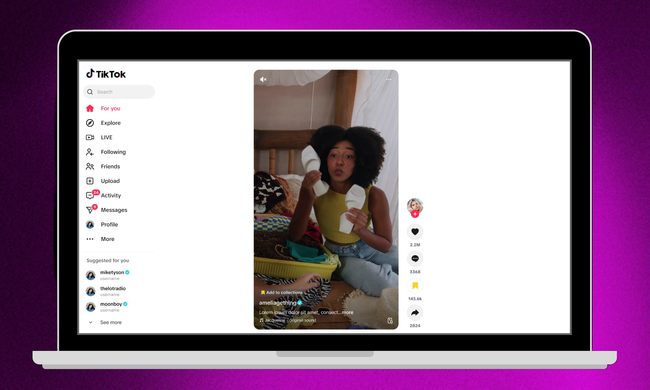
AI deepfakes have become a headache for creators, and TikTok is finally stepping up to fight back. Social media consultant Matt Navarra spotted the platform quietly testing a new opt-in tool that hunts down AI-generated content mimicking a creator's face, giving them the power to flag it directly.

https://twitter.com/MattNavarra/status/2078129989128450064

Read more
You can now generate songs in your iMessage chats
iMessage users can now turn chats into short AI-generated songs
Text, Business Card, Paper

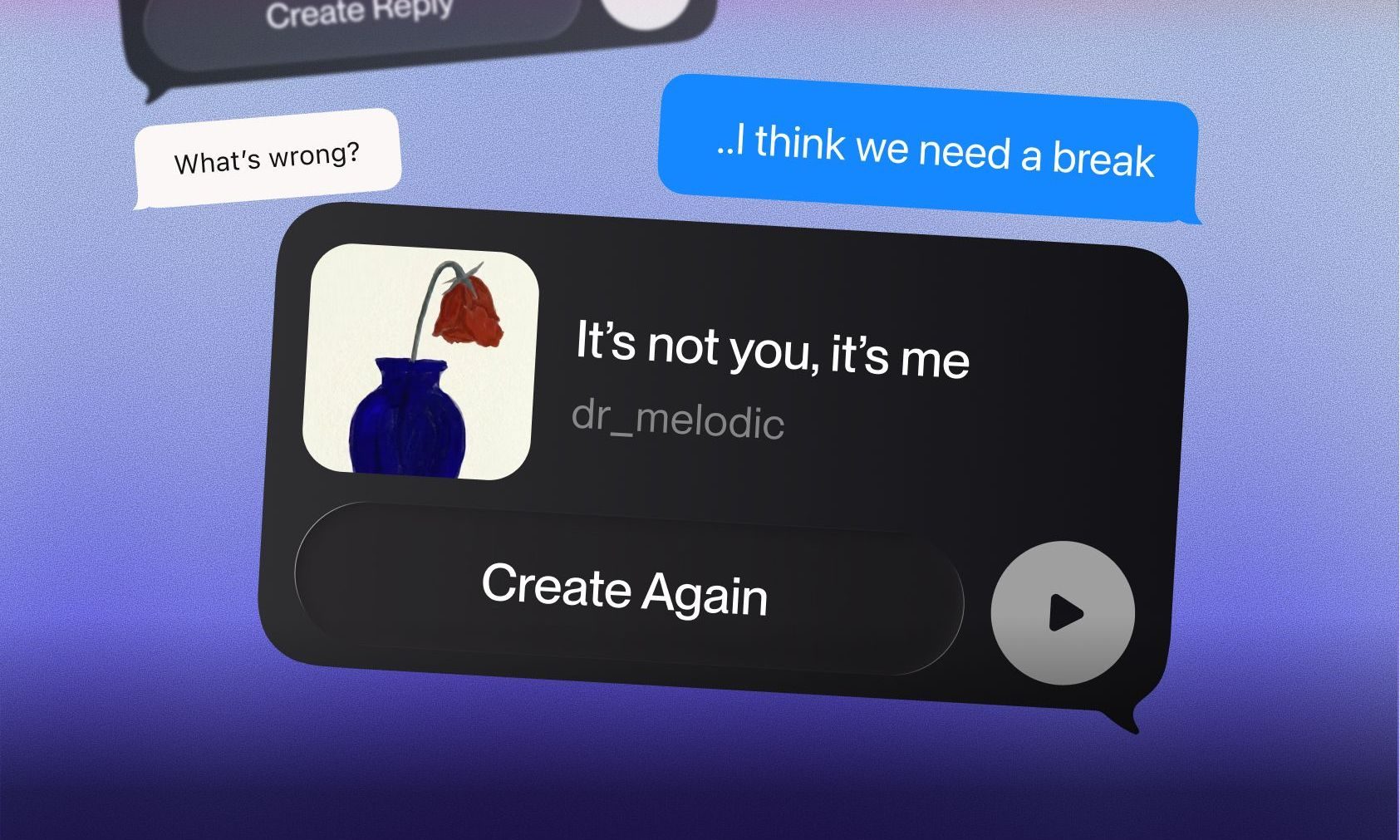
Suno has added an iMessage extension to its iOS app, letting users generate 30-second songs from voice recordings or typed prompts inside a Messages conversation.

The feature is available in the latest version of the Suno app and requires both people in the chat to have it installed. Users can access Suno from the plus menu in Messages, create a track, and share it without opening the standalone app.

Read more
The UK just proposed a midnight social media curfew for teens that they can bypass in seconds
The government wants 16- and 17-year-olds off apps like Instagram, TikTok, and YouTube from midnight to 6 AM, but the restriction has a built-in workaround.
Girl using a black phone while lying down

The UK just proposed a midnight social media curfew for teenagers, but it comes with a built-in escape hatch. According to the BBC, the UK government plans to restrict social media access for 16- and 17-year-olds between midnight and 6 AM, preventing them from using apps like Instagram, TikTok, and YouTube. But getting around it will take nothing more than a few taps.

A curfew teens can switch off

Read more