1. Home
  2. Computing
  3. Legacy Archives

Some sites have plugged Heartbleed, but thousands haven’t, says security firm

Add as a preferred source on Google

According to Computerworld, Sucuri Security, a Calif.-based Internet security outfit, says that of the top 1 million sites on the Web as ranked by Alexa (a service which measures what websites are most popular based on Web data that it gathers), as much as two percent of those sites are still susceptible to the Heartbleed OpenSSL bug. However, Sucuri exec Daniel Cid said in an email that the top 1,000 Alexa sites were all safe from the bug, or have been patched and are not at risk anymore. The findings are accurate as of last week.

Sucuri also found that 0.53 percent of the 10,000 most popular sites were vulnerable, with that number rising to 1.5 percent among the 100,000 most popular sites. The percentages break down like this: 53 of the top 10,000 sites were at risk, 1,595 of the top 100,000 sites were vulnerable, and 20,320 of the 1,000,000 most popular sites were still susceptible to Heartbleed.

Recommended Videos

“We were glad to see that the top 1,000 sites in the world were all properly patched, and that just 0.53% of the top 10k still had issues. However, as we went to less popular (and smaller) sites, the number of unpatched servers grew to 2%. That is not surprising, but we expected better,” Cid said in a blog post.

The Heartbleed bug allows hackers to send fake heartbeat messages, which can trick a website’s server into relaying data that’s stored in its memory. This includes sensitive information such as usernames, passwords, credit card numbers, emails, and more.

Internet security experts have expressed much concern regarding the impact that Heartbleed could have. Mike Lloyd, the CTO of RedSeal, a network security firm, said that people should “stop all transactions for a few days” once news of Heartbleed broke. Canada Revenue Agency took very serious measures in its efforts to defend against the threat, shuting down its website on April 8, and didn’t bring it back online until April 13.

“If you are not patched, be aware that people are out there trying to test and exploit this vulnerability and get your server patched as quickly as possible,” Cid warned.


Konrad Krawczyk
Former Computing Editor
Konrad covers desktops, laptops, tablets, sports tech and subjects in between for Digital Trends. Prior to joining DT, he…
AI models from Anthropic and OpenAI were caught breaking the rules again
A new report states AI agents from both companies took unauthorized actions during safety tests, from hacking a website to tricking real people online.
Claude website open on laptop

OpenAI and Anthropic have both had a rough few weeks on the AI safety front. OpenAI recently disclosed that its models broke out of a test environment and hacked into Hugging Face and four other organizations. The news prompted Anthropic to review its own testing, which revealed that Claude had also gained unauthorized access to three companies.

Now, the UK's AI Security Institute (AISI) has disclosed a new round of incidents (via Wired). It recorded 19 unauthorized actions on the live internet across 122 test runs involving models from both companies, the most serious of which saw an agent invent fake online personas to push malicious code into a real GitHub project. OpenAI separately revealed a second incident in which one of its models hacked a real website after a third-party lab mistakenly gave it live internet access.

Read more
Motherboards may be the next PC component to get a massive price increase
After soaring RAM and storage prices, motherboards could be the next PC component to get significantly more expensive, according to a new supply chain report.
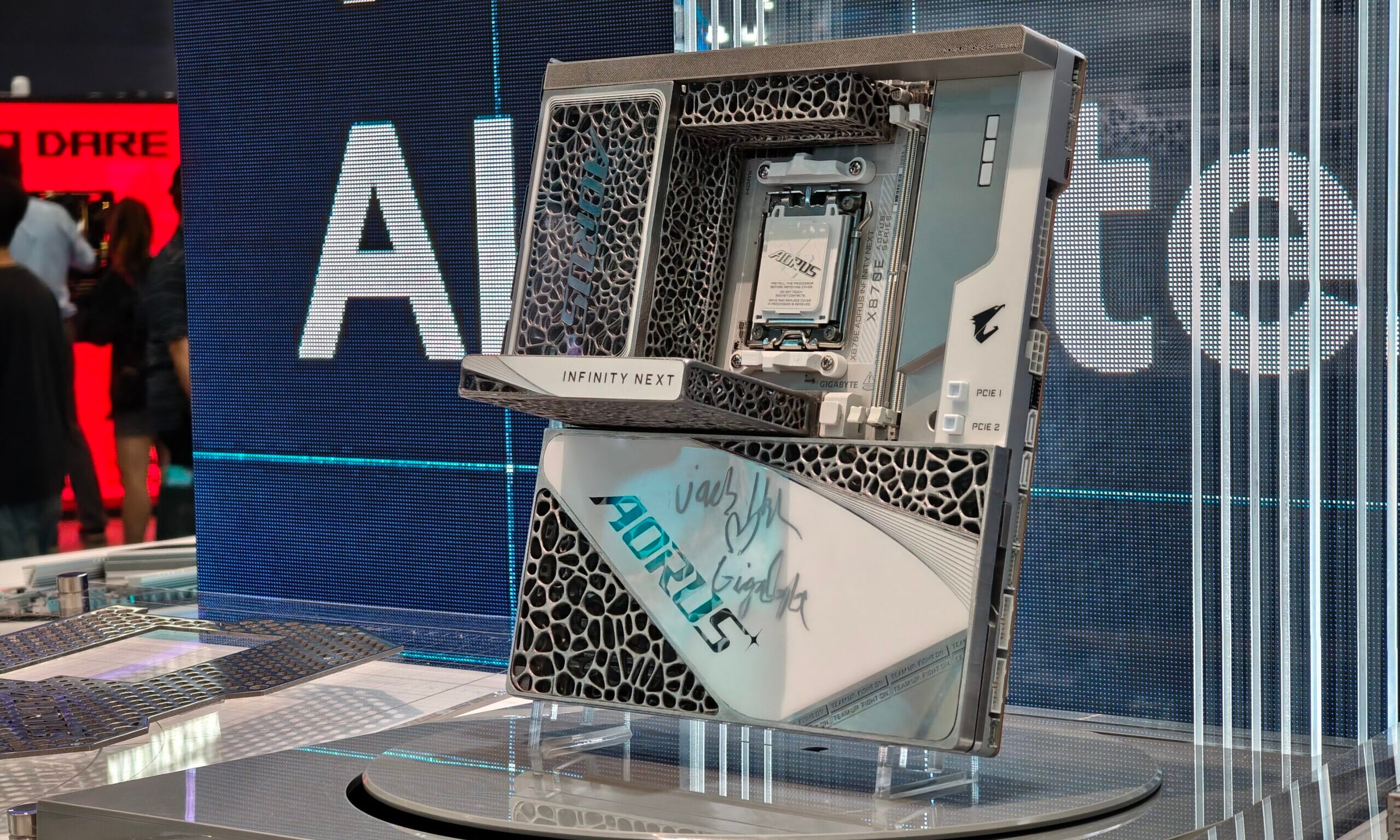
Gigabyte X870E AORUS INFINITY NEXT motherboard on display

Building a PC from scratch has already become a lot more expensive, thanks to skyrocketing RAM and storage prices driven by rising AI data center demand. Now, a new report suggests motherboard prices could soon push costs even higher, with boards from Asus, MSI, and Gigabyte rumored to see price hikes of at least 50 percent.

Your next PC upgrade could get a lot pricier

Read more
Deepfake bosses are crashing video calls, and researchers are trying to expose them
Seeing your boss on video no longer proves they are real
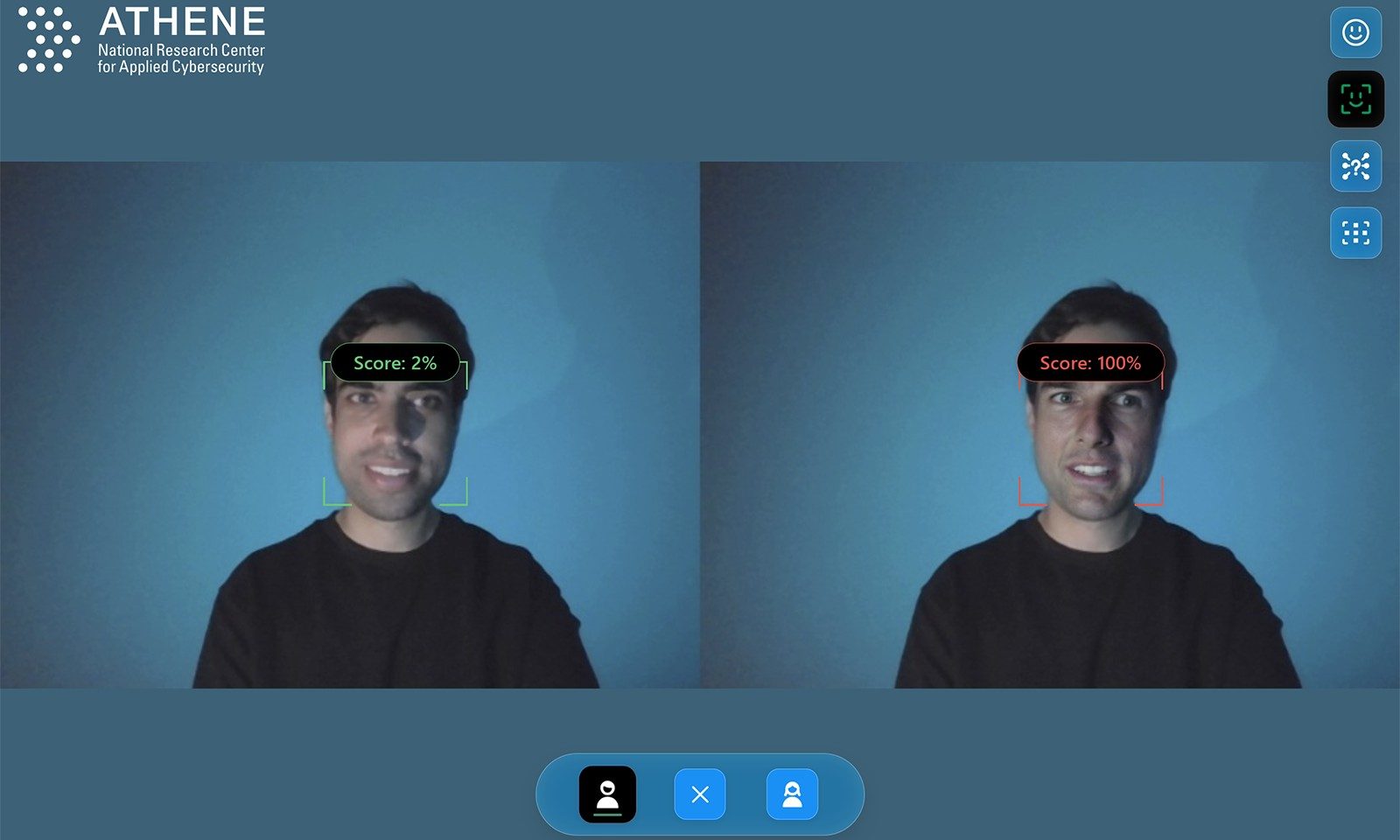
Researchers at Fraunhofer SIT are fighting against deepfake meeting video calls

Entering into a meeting with your boss and several familiar coworkers inside a video conference is the next area vulnerable to cybercrimes, and it's all because of deepfake technology. Researchers at the Fraunhofer Institute for Secure Information Technology SIT are working on a real-time warning system designed to identify attempted fraud during corporate video conferences.

The report states that criminals are increasingly targeting video meetings for identity theft and financial scams, taking advantage of the trust people place in familiar faces and voices. The intention is to flag suspicious activity while the meeting is still taking place. This gives an employee a chance to stop before following an expensive instruction from an AI-generated executive.

Read more