1. Home
  2. Phones
  3. News

Google Calendar will finally let you block time for a task instead of a meeting

A long-requested fix that turns simple checklists into protected, visible work sessions, giving your tasks the calendar space they always deserved.

Add as a preferred source on Google
Screenshot of the Google Calendar new Tasks feature.
Google

What’s happened? Google has introduced a new capability in Calendar. Users can now block out time to work on a task (via Google Tasks) and mark themselves as “busy” during that time.

  • To use the feature, select an empty time slot in Calendar, choose “Task,” set the task name, duration, description, visibility, and other optional settings like “Do Not Disturb” or auto-decline meeting invites.
  • The feature has been rolling out to Rapid Release domains since November 6, 2025. Those in Scheduled Release domains will get it starting December 1, 2025.
  • The new Calendar feature will be available to all Google Workspace customers, Workspace Individual subscribers, and personal Google accounts.
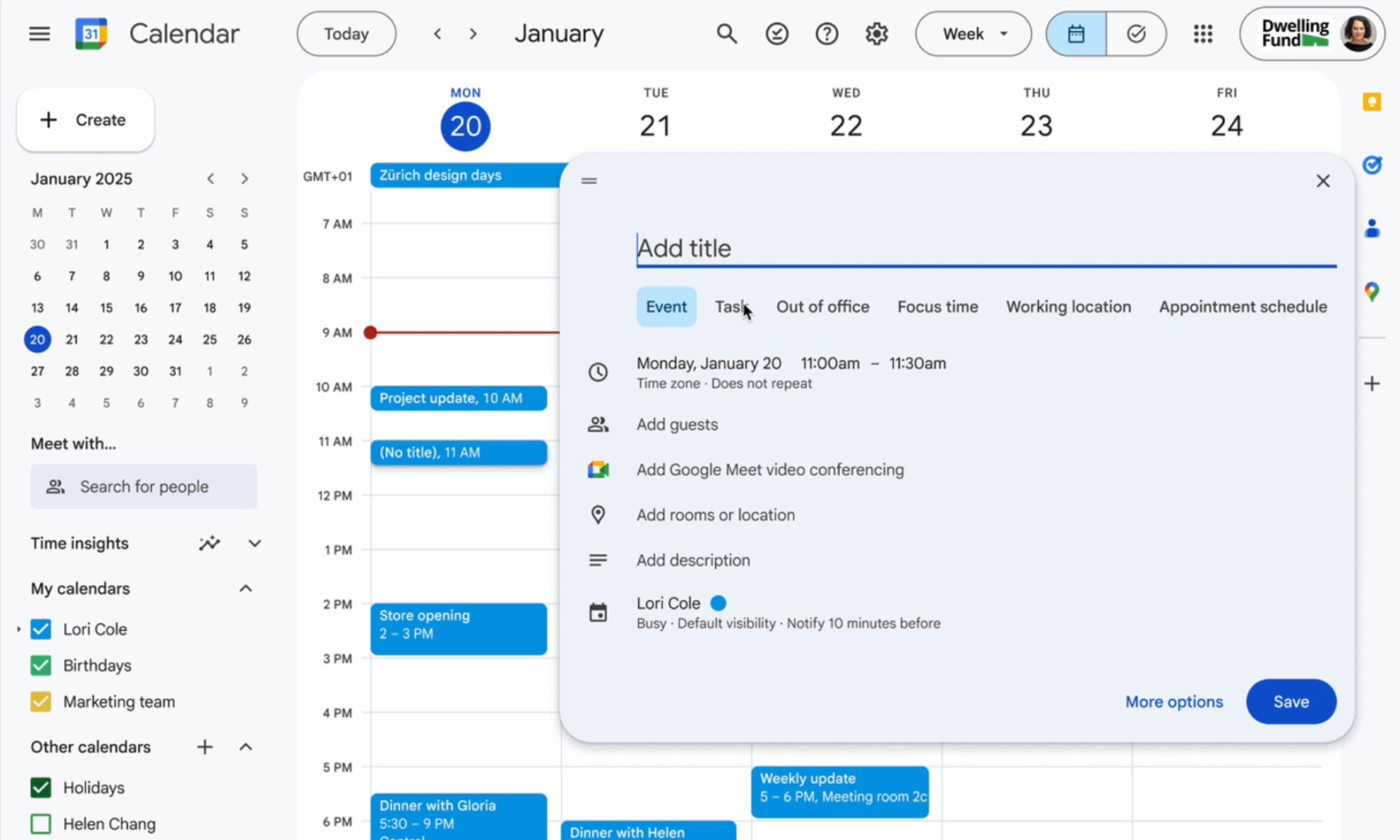
Why is this important? The feature upgrades Tasks inside Calendar. Rather than the old workaround of creating a dummy meeting to block time, there’s now a built-in Task time-blocking option.

  • The new feature addresses a long-standing gap in the Google Calendar app, as many users have been using the workaround to block their time.
  • For organizations using Google Workspace, the feature allows professionals to share their critical work hours and time blocks with others.
  • Furthermore, Tasks are no longer just checklist items. They now have time in their Calendar, allowing users to plan their day more effectively.
Recommended Videos

Why should I care? If you use Google Calendar for scheduling your work and meetings, you can now reserve time for crucial tasks (not just meetings) and let other users know you’re unavailable.

  • This feature helps you carve out explicit slots for your work and share it with your colleagues or clients.
  • Given that the feature is available to both personal Gmail account holders and Workspace users, creative individuals such as freelancers, designers, architects, or consultants can use it.
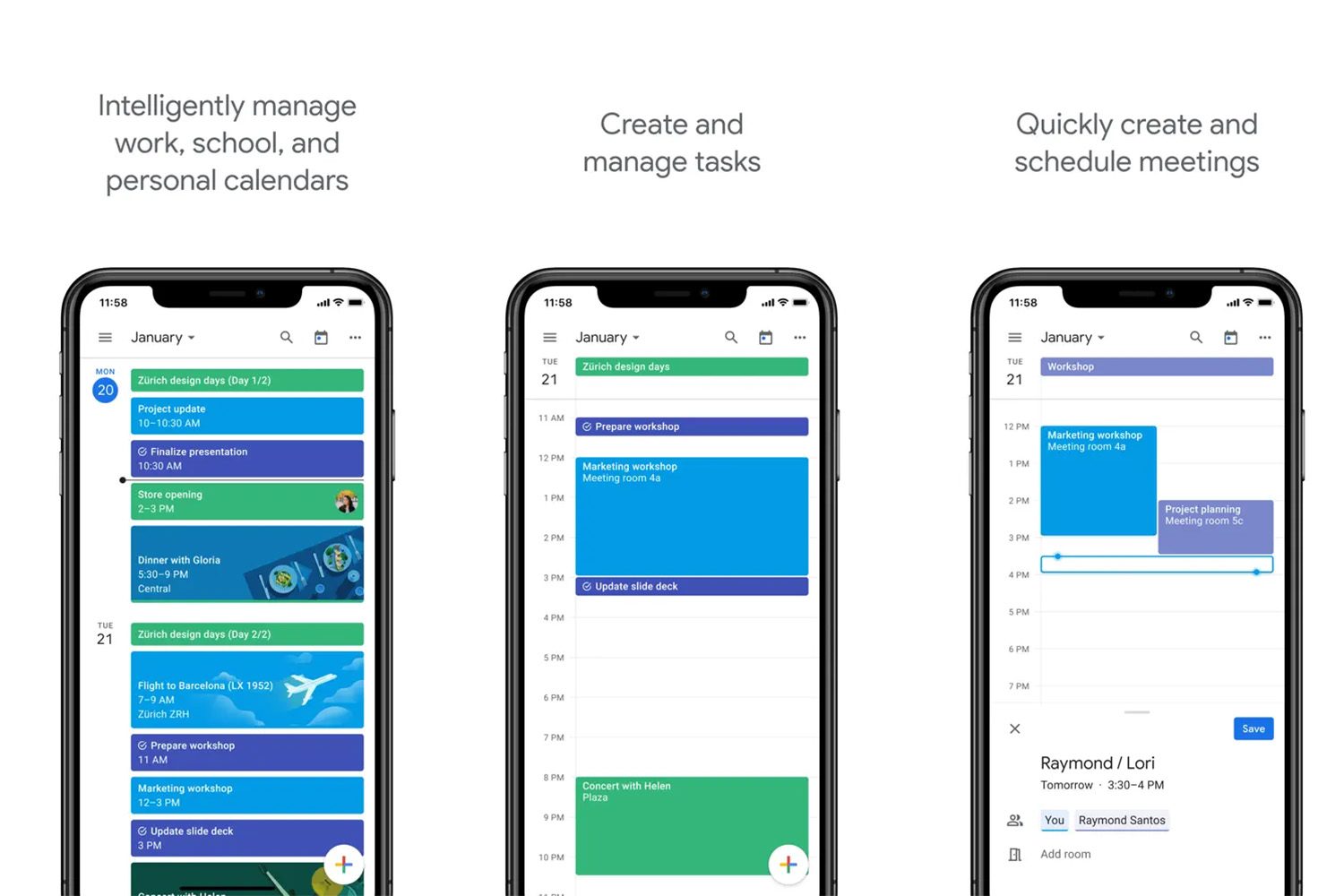
OK, what’s next? In the future, we may see Google expand this concept by adding more advanced options, such as recurring task time-clocks, deeper integration with focus mode features, or automation.

  • Developers or third-party tools that utilize Google Calendar or Tasks might build overlays or analytics around the new feature.
  • Google may expand the feature to include mobile enhancements, offline scheduling, or smarter suggestions.
Shikhar Mehrotra
For more than five years, Shikhar has consistently simplified developments in the field of consumer tech and presented them…
The OnePlus 16 could crank things up with a 200MP camera and a massive battery
The purported flagship could bring substantial upgrades across the board.
Person holding OnePlus 15.

Two fresh OnePlus 16 leaks just landed within days of each other. Together, they point to a flagship that could outlast its competition with its massive battery, and one that ships with genuinely better camera hardware than the OnePlus 15. 

So what's happening with the cameras?

Read more
RISION’s new pocket-sized cameras turns your phone into a nitfty thermal imaging tool
This tiny $119 camera gives your phone Predator vision
RISION Magic Pro in action

If you've ever had to look for any sort of heat leaks or hot wires, chances are that you've probably used a dedicated handheld camera. But RISION has just launched a tiny new camera tool to make the job easier (and more pocketable). It reminds me of the InfiRay we checked out a while back.

RISION has introduced the Magic and Magic Pro, two compact thermal cameras that plug directly into supported USB-C phones, tablets, and Windows computers. Each module weighs 24 grams, draws power from the connected device, and requires no separate battery. Support covers compatible iPhones, Android devices, and Windows PCs.

Read more
Samsung may finally kill the foldable crease next year, and make the screen stronger while it’s at it
The Galaxy Z Fold 9 could attack the crease from inside the glass
The Galaxy Z Fold 4's screen crease.

Samsung has spent generations refining hinges, reinforcing display layers, and promising increasingly subtle creases. But soon, it might eliminate the crease by physically carving away part of the glass where the screen folds.

Samsung Display is developing a foldable OLED cover layer known as Center-Etched Thin Glass, or CTG, alongside its suppliers. The technology selectively etches the central folding section of the ultra-thin glass, leaving that area thinner than the rest of the panel. Industry sources believe it could appear in some Galaxy Z9 foldables as early as 2027. It is also known as Hybrid UTG, since a single glass layer would carry two different thicknesses.

Read more