1. Home
  2. Computing
  3. News

LG’s new OLED panel combines LCD-like sharpness with a 240Hz refresh rate

By pairing a 240Hz refresh rate with a true RGB stripe subpixel layout, LG Display is redefining what OLED monitors can be, eliminating long-standing text clarity issues while doubling down on speed and contrast.

Add as a preferred source on Google
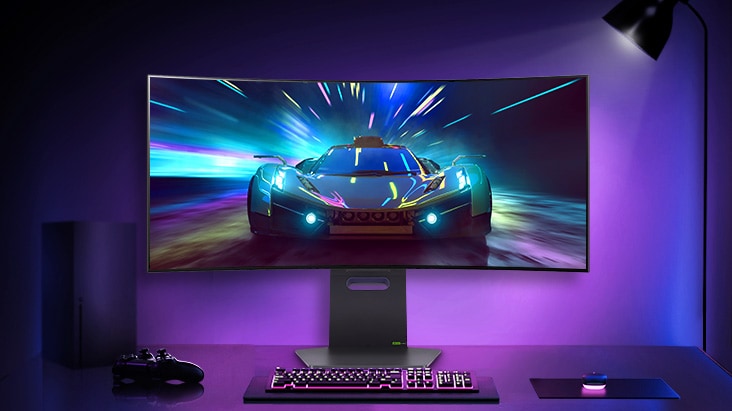
LG new RGB stripe OLED panel technology representative image.
LG

The South Korean display technology giant LG has officially announced the world’s first 240Hz OLED panel featuring an RGB stripe subpixel layout, making it one of the most critical and exciting display reveals at CES 2026.

The 27-inch 4K OLED panel supports a peak refresh rate of 240Hz. This makes it an excellent option for professional use cases such as high-end gaming or competitive esports, while also appealing to creators and power users who rely on precise frame timing.

RGB stripe structure will dramatically improve text clarity

However, that isn’t the panel’s main highlight. Unlike traditional OLED panels that use the company’s WRGB structure (which includes white subpixels), the new panel features an “RGB stripe structure.”

Recommended Videos

The RGB stripe structure places all the red, green, and blue subpixels in straight vertical lines (similar to LCD monitors). This reduces issues such as color bleeding, fringing, and visual distortion, even when viewed up close.

In theory, the RGB stripe structure should also improve text clarity, a persistent weakness in regular OLED monitors. In addition to text, you should expect enhancements in the sharpness, UI clarity, and overall desktop usability, without sacrificing motion clarity.

LG has also increased the aperture ratio, which is the relative proportion of the pixel area that emits light, improving the brightness efficiency without cranking up power consumption. In simpler terms, the panel should deliver higher peak brightness and better uniformity while maintaining OLED panel contrast.

If you’ve been tempted by OLED monitors but held back because you spend long hours reading, writing, coding, playing video games, or working with text-heavy interfaces, the LG 27-inch 4K OLED panel with RGB stripe structure should provide an excellent experience.

The panel borrows its clarity from LCD panels, contrast and colors from OLEDs, and an ultra-fast refresh rate with near-zero response time, all while providing 4K resolution (160 ppi). The only thing we’re waiting for now is the technology’s adoption by other brands (including LG Electronics) and the announcement of products at or after CES 2026.

Shikhar Mehrotra
For more than five years, Shikhar has consistently simplified developments in the field of consumer tech and presented them…
Apple’s new Upgrade program lets you lease an iPhone, Mac, Watch, and iPad
Launched in partnership with Klarna, the new program gets you an iPhone for as little as $17.99 a month.
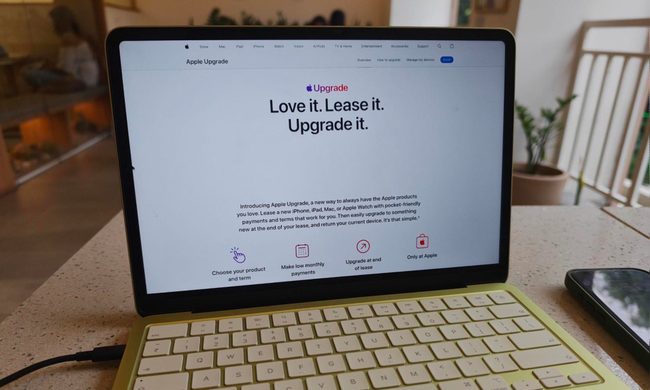
Apple Upgrade site on a MacBook Neo

Apple has officially launched Apple Upgrade, a leasing program that lets customers pay monthly for an iPhone, iPad, Mac, or Apple Watch instead of buying the device outright. The program went live today on Apple's website in partnership with Klarna, replacing the iPhone Upgrade Program that Apple has offered since 2015.

What you can lease and what it costs

Read more
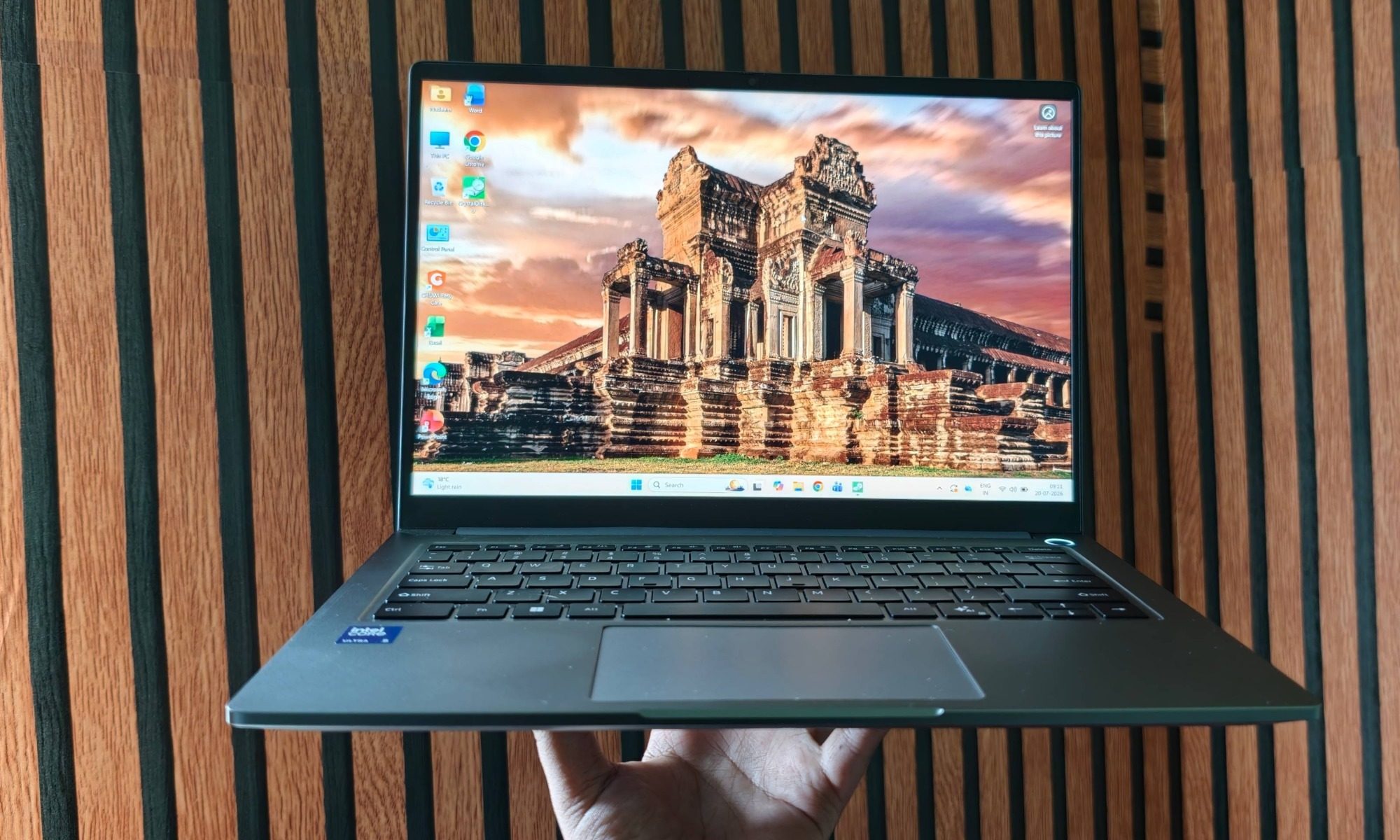
Chuwi CoreBook Air review: A rewarding budget laptop that wants you to cross the brand boundary
Chuwi's CoreBook Air is a relatively unknown, but a heavy-hitting budget machine for the AI-first computing era.
Computer, Electronics, Laptop

View at Chuwi

Quick verdict

Read more
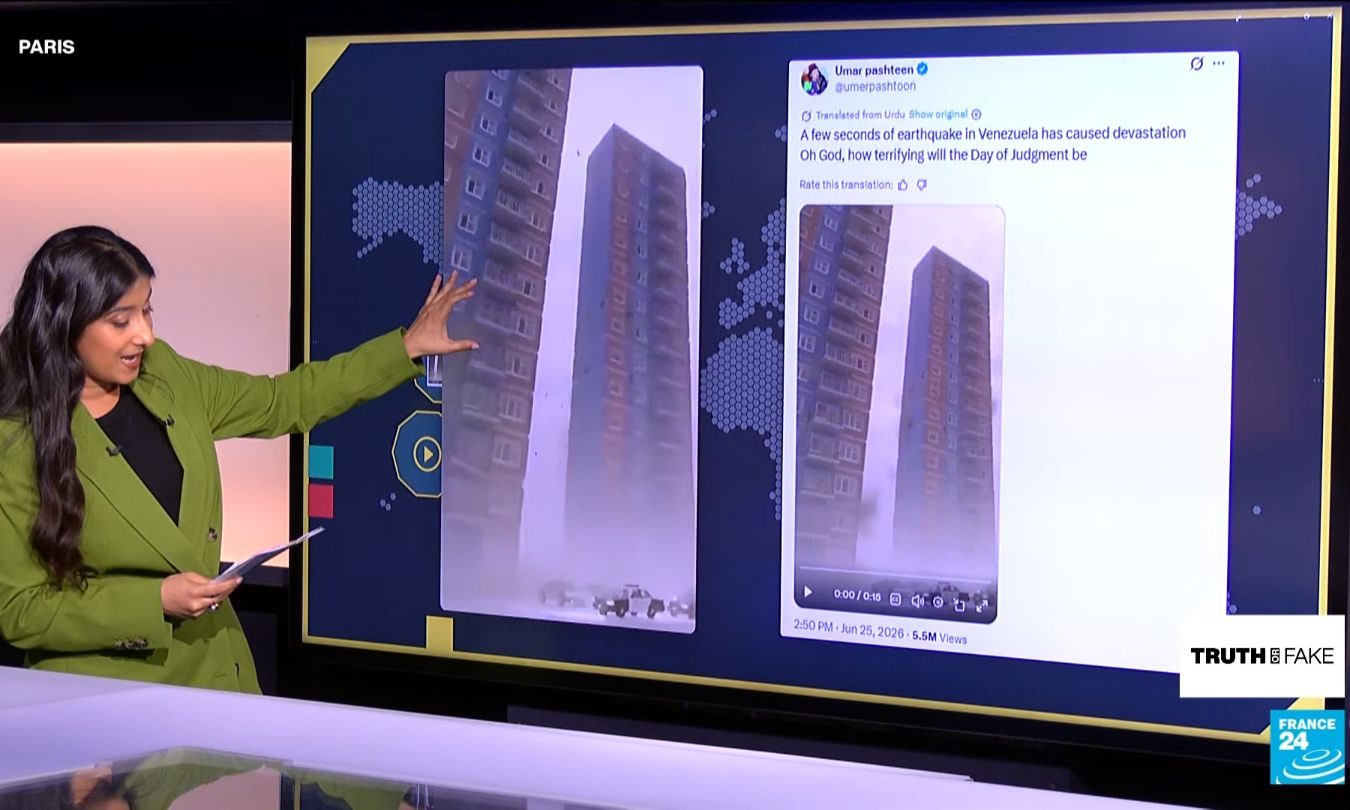
AI’s latest problem is deepfake disaster content for farming engagement
Fake and recycled videos from disasters in Venezuela and China are making social media feeds harder to trust when people need accurate updates quickly
Electronics, Screen, Adult

Social feeds around the earthquakes in Venezuela filled with recycled footage and AI-generated destruction. Severe weather in China attracted its own wave of AI disaster videos, including fabricated flood scenes and false reports of power outages.

It creates an ugly race. People want immediate evidence of what happened, and AI slop can deliver something dramatic before reliable information catches up. Authentic updates are left competing with fiction precisely when confusion can send people scrambling for answers.

Read more