  1. Home
  2. Cars
  3. News

Your Waymo’s driverless promise still has an Achilles’ heel

From doors left ajar in Los Angeles to gridlock during an outage, the fleet’s edge cases still require people to step in.

Add as a preferred source on Google
A driverless Waymo car drives along a freeway.
Waymo

Waymo’s robotaxis can drive city streets without a human at the wheel, but they can still stop over basic issues that need a person to resolve, the Washington Post reports. That support layer, remote staff and local contractors, is part of how the service stays running.

The same weakness shows up in minor hiccups and citywide disruptions. A door that is not fully latched can keep a vehicle from moving. During a major power outage, so many vehicles may ask for guidance that some end up waiting in place long enough to block traffic. The car does the driving, but human help does the recovery.

Small failures can strand a car

Some stoppages are simple and hard to fully prevent. Passengers may leave a door not quite shut, or a seat belt can get caught in the rear door. The vehicle can treat that as unsafe and refuse to continue until the problem is cleared. There are also battery-related recoveries, though rare says Waymo.

Recommended Videos

Waymo routes help through an app called Honk, described as an on-demand dispatch system for towing and related assistance. Reported pay rates include $20 or more for closing a door, about $22 to $24 in some cases, and roughly $60 to $80 for a tow. Operators cited in the report said those numbers do not always cover fuel, time, and labor, especially when it takes extra time just to find the stalled vehicle.

What to watch next

The near-term question is whether Waymo can reduce how often it needs intervention as it expands to more cities next year. Each rescue is an operational cost, and when the failures cluster, they become a public problem fast.

Waymo says door issues are not too common and that it’s working on improving pickups and departures, including rider education. It also says it has redundant GPS tracking after towing operators raised concerns about imprecise location information.

Hardware changes may cut some of the simplest problems. Waymo is testing next-generation vehicles built with Zeekr that use sliding doors designed to open and close automatically. The bigger test is preventing remote-support queues from piling up during major disruptions, because that is when a cautious pause turns into a traffic jam.

Paulo Vargas
Paulo Vargas is an English major turned reporter turned technical writer, with a career that has always circled back to…
Tesla launches the six-seat Model Y Long Wheelbase in the US
The stretched electric SUV brings more space, more comfort, and up to 325 miles of range.
Tesla Model Y Long Wheelbase Featured

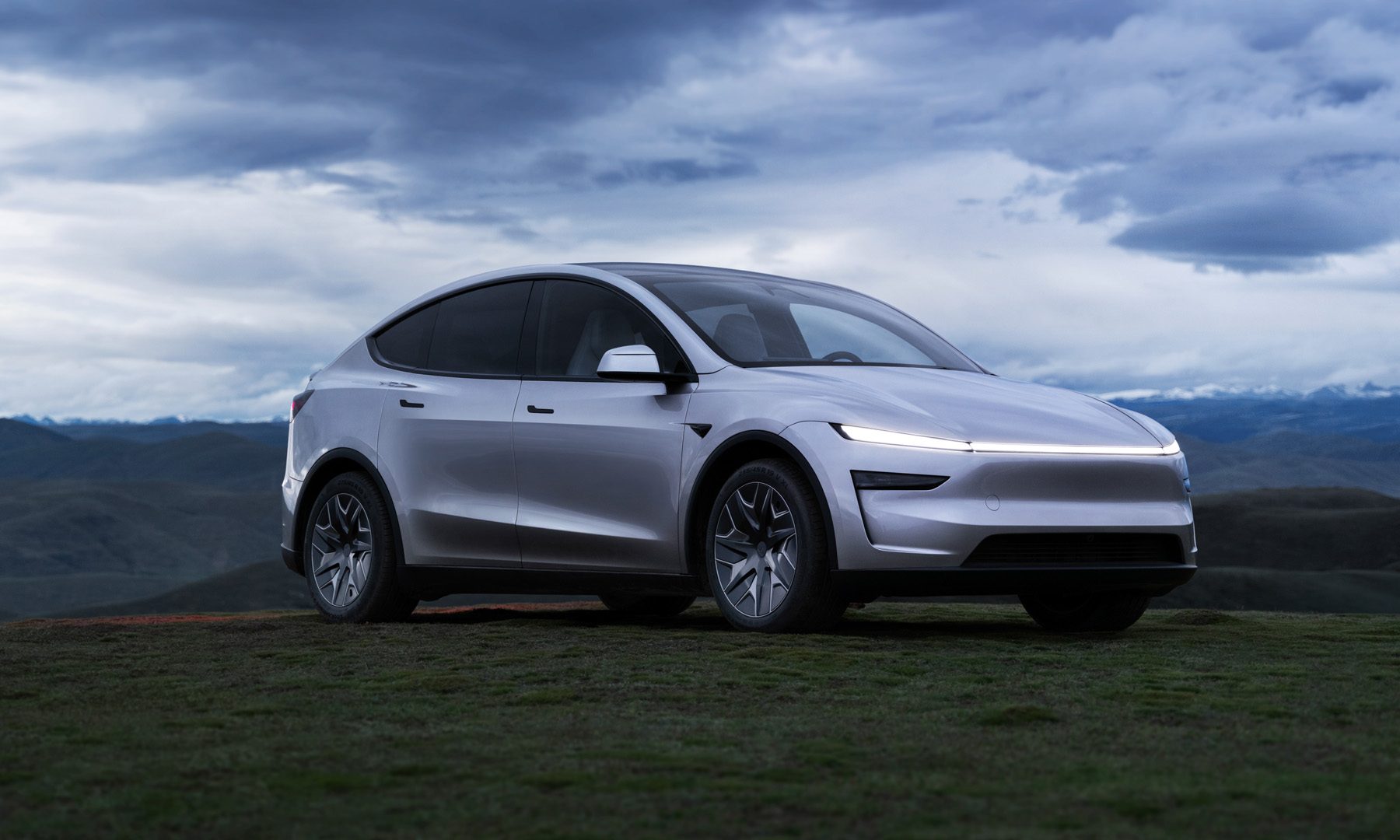
Tesla is giving the Model Y a little more breathing room. The company has officially launched the Model Y Long Wheelbase in the United States and Puerto Rico, introducing a stretched version of its best-selling electric SUV with a three-row, six-seat layout that's designed to make family road trips a lot more comfortable.

A bigger Model Y with a focus on comfort

Read more
A stolen Kia reveals the hidden limits of connected car technology
Kia can see where your stolen car is. GDPR means it won't share that in real time. That is the entire problem.
Kia EV3 design

If you’re buying a car with connected car technology, thinking it would help you to recover it in the event of theft, you might want to recalibrate your expectations. 

A recent incident in the UK, in which a car owner had three tracking devices installed in his car and still couldn’t recover it, led the carmaker to state that connected-car technology isn’t a “certified security vehicle tracker” (via the BBC).

Read more
Cambrige experts find utterly simple fix for longer lasting EV batteries. Just put some pressure on it.
Scientists found a way to make EV batteries last longer without reinventing the battery
EV Charging

EV battery breakthroughs typically involve new chemistry, exotic materials, or faster charging/higher capacity. But a new study reveals that you can skip all the fancy stuff and go with a very simple solution, Researchers from the University of Cambridge found that putting the battery under the right amount of pressure actually helps.

The study was about how physical pressure affects lithium-ion battery life, which found that keeping cells under constant pressure could double their lifespan. The work was published in Nature Energy, and the team says the improvement came without changing the active materials, electrolyte, or basic battery chemistry.

Read more