1. Home
  2. Emerging Tech
  3. News

Digital Trends may earn a commission when you buy through links on our site. Why trust us?

Talk to AI every day? New research says it might signal depression

Study finds daily AI chatbot use tied to higher rates of moderate depressive symptoms in U.S. adults.

Add as a preferred source on Google
Man Stressed Depression
Freepik

Spending time chatting with AI assistants like ChatGPT, Google Gemini, Microsoft Copilot, or similar systems might be more than just a tech habit. A new study published in JAMA Network Open suggests that people who use AI chatbots daily are more likely to report moderate depressive symptoms compared with those who interact with them less frequently. Researchers found a roughly 30% higher odds of at least moderate depression among regular users, though they are careful to emphasize that this link is an association, not proof that chatbot use causes depression.

This finding comes from a national survey of nearly 21,000 U.S. adults conducted in 2025, where participants detailed how often they interacted with generative AI tools and completed standard mental health questionnaires. Within that group, about 10% said they used AI daily, and 5% said they engaged with chatbots multiple times throughout the day. Those daily users showed higher rates of reported depressive symptoms and other negative emotional effects, such as anxiety and irritability.

What the Research Actually Shows

Just to be clear, researchers behind the study stress an important nuance: the results don’t prove that AI chatbot use causes depression. However, it’s possible that people already experiencing depressive symptoms or loneliness may be more inclined to talk with AI frequently, rather than the chats being the trigger. Some analyses also hinted that middle-aged adults (45–64) showed particularly strong associations, though the reasons why remain unclear.

That doesn’t mean AI chatbots lack potential benefits. In specialized therapeutic settings, for example, CBT-based or clinically guided systems, some evidence shows reductions in depressive symptoms and loneliness when designed with safeguards and clear boundaries in place. But casual use for everyday companionship or support appears to be a different story. Mental health professionals caution that heavy reliance on AI interactions can make underlying issues harder to address with human support.

Recommended Videos

For now, the new research highlights a relationship worth better understanding as AI tools become more interwoven with daily life. Whether frequent AI chat reflects a coping strategy for emotional distress, a contributor to social withdrawal, or something more complex entirely, experts say people should be mindful of why they’re turning to artificial voices. It’s essential to not hesitate to seek human connection and professional support when needed.


Varun Mirchandani
Varun is an experienced technology journalist and editor with over eight years in consumer tech media. His work spans…
Polar is yet another AI browser, but it goes beyond just automating the mundane web chores
Polar wants to turn your browser into an AI-powered productivity tool
Polar AI browser

The AI browser race is entering a new phase. After spending much of 2025 trying to reinvent web search with built-in chatbots, startups are increasingly shifting their attention toward browser agents that can automate repetitive work instead of simply answering questions. The latest company to embrace that transition is Polar, a startup founded by former Perplexity engineer Kevin Zhang, which has raised $5.7 million in seed funding led by Madrona.

Unlike the first generation of AI browsers that targeted everyday consumers, Polar is designed specifically for knowledge workers. Its premise is straightforward: instead of replacing Google Search, the browser aims to eliminate repetitive tasks that professionals perform across dozens of browser tabs every day.

Read more
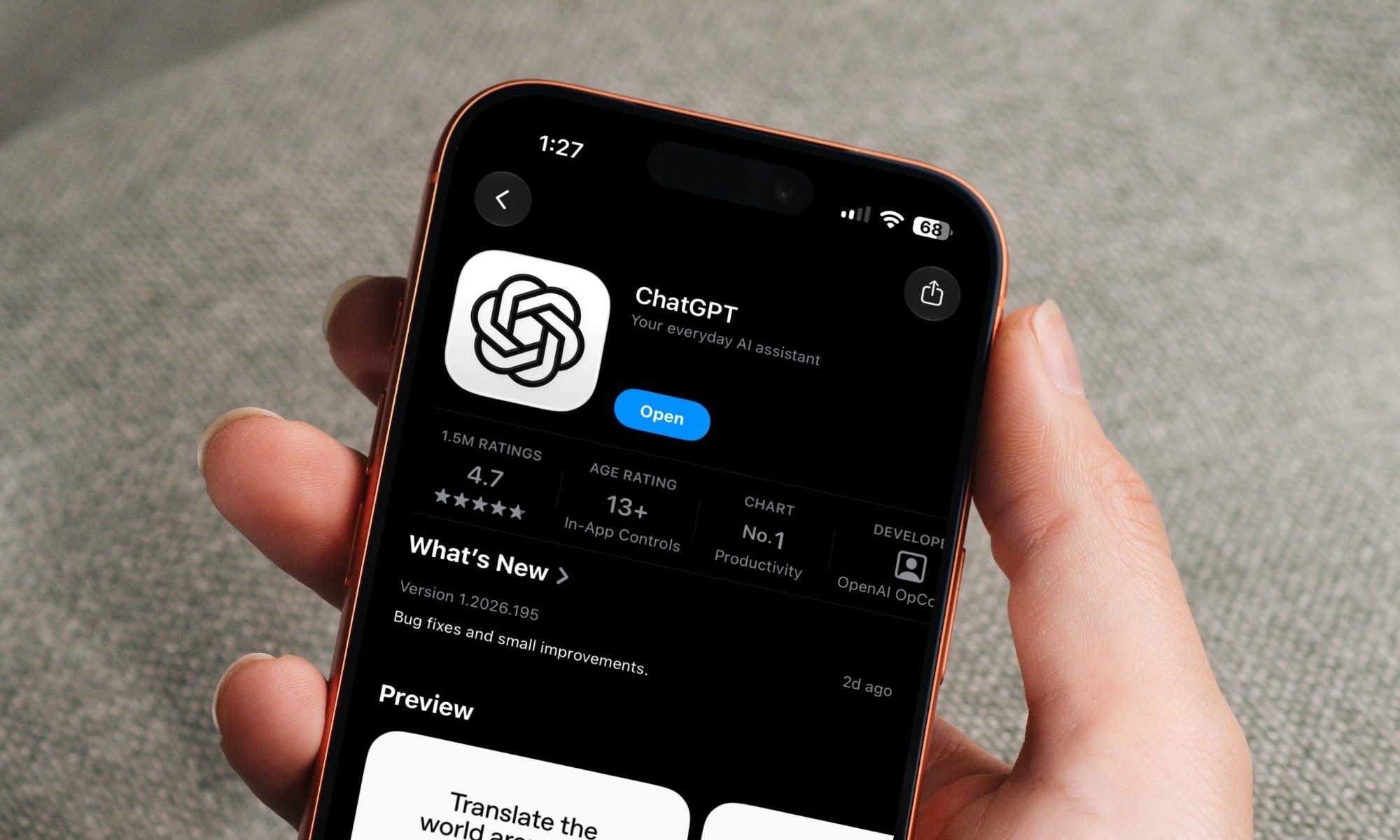
I use ChatGPT Pro everyday, and these 3 features keep me subscribed
ChatGPT on iPhone

I've used ChatGPT for years, but for the longest time, I never felt the need to pay for it. Instead, I subscribed to Claude Pro because it fit my workflow better. Between regular chat and Cowork, it gave me everything I needed in one place, so paying for another AI subscription didn't make sense.

That changed when OpenAI introduced ChatGPT Work. I was curious enough to give ChatGPT Pro a proper shot, expecting to test one new feature and move on. Instead, I ended up using it far more than I expected. The more I relied on it in my day-to-day work, the more I realized it offered a few things I didn't want to give up. Those are the three features that have kept me happily subscribed ever since.

Read more
The music industry wants AI slop kicked off the charts, and it finally has a plan
Universal, Sony, and Warner are pushing global charts to block AI slop songs.
Spotify music player

I've caught myself bopping along to a new viral quite a few times, only to realize that it was created using artificial intelligence. Turns out the labels are just as fed up with this as I am.

So what exactly are labels asking for?

Read more