1. Home
  2. Emerging Tech
  3. News

SpaceX may be exploring a Starlink phone, though Elon Musk says otherwise

While sources say a Starlink phone could be in the works, Musk has called the report false.

Add as a preferred source on Google
A SpaceX Falcon 9 rocket on performing the company's 250th dedicated Starlink mission.
A SpaceX Falcon 9 rocket on performing the company's 250th dedicated Starlink mission. SpaceX

SpaceX is reportedly laying the groundwork for what could be its next big leap: a satellite-linked mobile device under the Starlink banner. Sources familiar with the company’s plans say that it is exploring the idea of building a phone that taps directly into its Starlink satellite constellation, a move that could take its connectivity push far beyond the current broadband market.

According to Reuters, SpaceX is considering a mobile device that connects directly to Starlink’s network. The specifics on design or timing remain unclear, but CEO Elon Musk has hinted such a device is “not out of the question at some point” and would be “very different” from current smartphones, optimized for high-performance AI computing.

Not out of the question at some point. It would be a very different device than current phones. Optimized purely for running max performance/watt neural nets.

— Elon Musk (@elonmusk) January 30, 2026

Starlink has already experimented with bringing its service to mobile phones via partnerships like the one with T-Mobile, but producing a dedicated Starlink phone would mark a significant expansion.

Recommended Videos

The report notes that SpaceX filed to trademark “Starlink Mobile” last October and earlier this year filed patents for “technologies that seek to improve Starlink’s ability to connect with small and moving devices on land that are not just Starlink user terminals,” lending credibility to the speculation.

Musk denies plans for a Starlink phone

Although Musk has previously suggested a Starlink phone could be possible in the future, he pushed back on the report in recent tweets.

We are not developing a phone

— Elon Musk (@elonmusk) February 5, 2026

Responding to X users sharing the story, he said, “We are not developing a phone,” going so far as to call the report a lie in a separate tweet.

Reuters lies relentlessly

— Elon Musk (@elonmusk) February 5, 2026

At this point, SpaceX has not made anything official, leaving the idea of a Starlink phone unconfirmed. The company is currently focusing on expanding its satellite network and broadband services, which already serve millions of users worldwide. A mobile device could help it unlock a new market and reach more users, but whether such a product will ever be released remains uncertain.

Pranob Mehrotra
Pranob is a seasoned tech journalist with over eight years of experience covering consumer technology. His work has been…
Google Flow Music Spaces is becoming an all-in-one AI music studio
The latest update brings song editing, stem splitting, image generation, lyrics, and video creation into a single workspace.
Google Flow Music Featured

The company has announced a major update for Flow Music Spaces, bringing a suite of new AI-powered creative tools directly into collaborative workspaces. Instead of jumping between different apps or sessions, users can now generate and edit songs, split audio stems, create images, write lyrics, and even generate videos without leaving a Space.

What's new in Flow Music Spaces?

Read more
A Florida pastor asked ChatGPT if he was okay. It nearly got him killed.
When "just relax and recover" turns out to be the worst medical advice you could get.
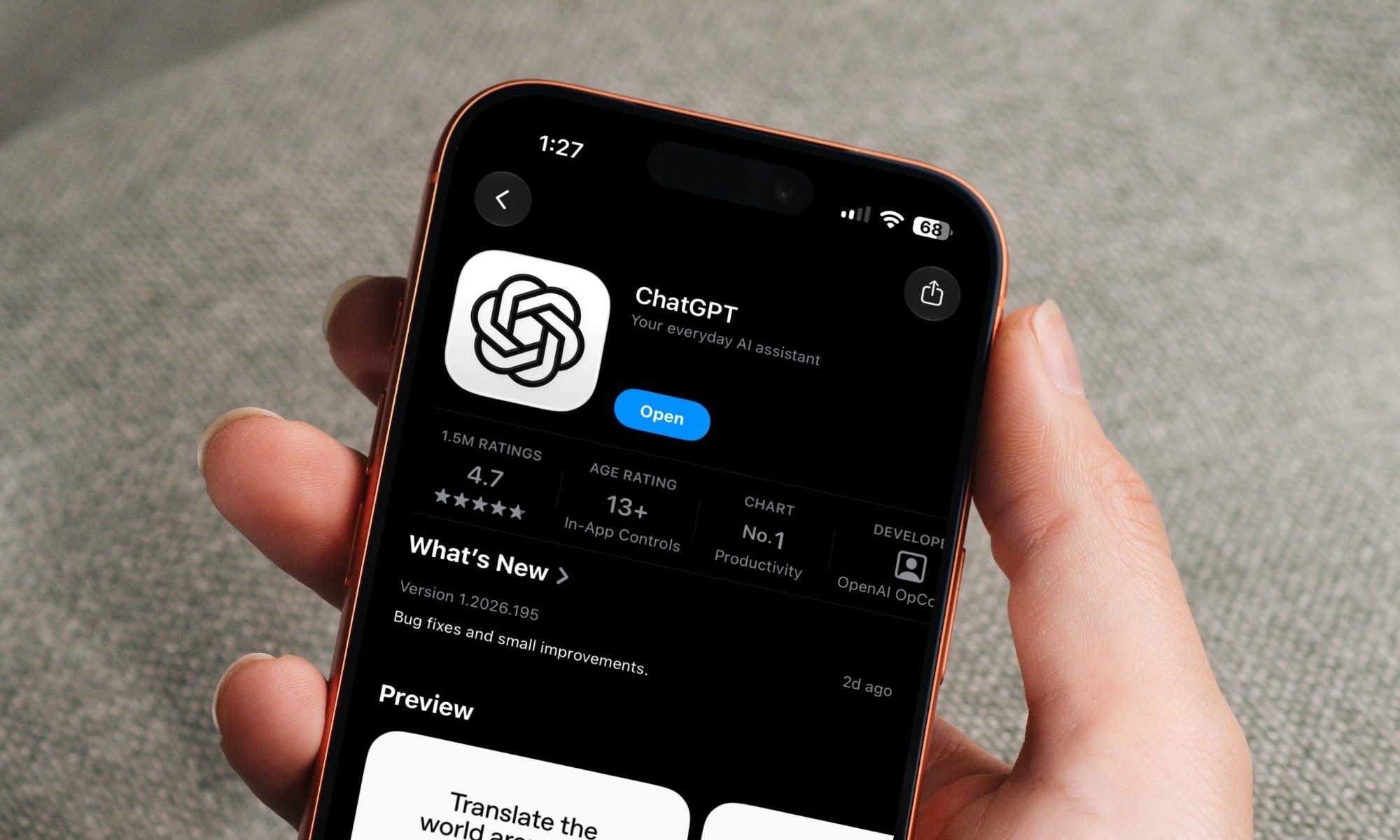
ChatGPT on iPhone

Scott Winters, a pastor from Florida, is suing OpenAI after ChatGPT allegedly gave him what his lawsuit calls "extremely dangerous" medical advice, advice that nearly cost him his life.

What happened to the pastor?

Read more
Scientists made robots curious like toddlers, and it helped them learn language twice as fast
Give a robot curiosity, and it starts learning language (and misbehaving) just like a toddler.
robots and kids photo

Scientists have been trying to figure out how kids pick up language so fast for decades, and a new study out of the Okinawa Institute of Science and Technology (OIST) might have cracked part of the puzzle: curiosity.

Researchers built a virtual robot with a brain-inspired neural network and set it loose in a simulated 3D world full of shapes, colors, and simple commands like "push left magenta dumbbell." 

Read more