1. Home
  2. Space
  3. News

NASA astronauts can now carry their iPhones on missions to click epic space photos

NASA opens the door to space selfies

Add as a preferred source on Google
Person, Astronomy, Outer Space
Manisha Priyadarshini / Digital Trends

NASA is finally changing a long-standing policy about what astronauts can carry into space. Astronauts heading to space will now be allowed to carry smartphones on missions, opening the door to more candid photos, videos, and yes, even the occasional zero-gravity selfie.

NASA Administrator Jared Isaacman confirmed the change on X, saying astronauts will soon fly with the latest smartphones “to capture special moments for their families and share inspiring images with the world.”

Recommended Videos

He added that NASA challenged long-standing approval processes to qualify modern hardware faster, calling it a “small step in the right direction.”

NASA astronauts will soon fly with the latest smartphones, beginning with Crew-12 and Artemis II. We are giving our crews the tools to capture special moments for their families and share inspiring images and video with the world. Just as important, we challenged long-standing…

— NASA Administrator Jared Isaacman (@NASAAdmin) February 5, 2026

The new policy will kick in with upcoming missions, including Crew-12, which is heading to the International Space Station, and Artemis II, the long-awaited crewed mission that will take humans around the Moon.

Imagine the stunning images astronauts could capture with smartphones powered by cameras found on the latest iPhones and Pixels.

Why NASA is changing course now

Until now, astronauts relied on NASA-approved camera gear to capture images, a process that often lagged far behind consumer technology. In fact, before this change, the newest camera cleared to fly on Artemis II was a 2016 Nikon DSLR, along with GoPro cameras that were already nearly a decade old (via Ars Technica).

With smartphones, astronauts will finally have access to modern, portable cameras that fit easily into daily life on a spacecraft. Interestingly, this is not the first time phones have reached orbit. Two iPhone 4 devices flew aboard a space shuttle mission in 2011, though it remains unclear whether they were actively used or simply carried along.

The timing of the announcement lines up with renewed attention on Artemis II. The mission will send four astronauts on a loop around the Moon and back. However, the launch of Artemis II has been delayed after running into technical issues during testing, pushing its launch into March 2026.

When it does fly, the journey will not just be historic; it may also be documented in a more personal way than any lunar mission before it.

Manisha Priyadarshini
Manisha Priyadarshini is a tech and entertainment writer with over nine years of editorial experience.
Getting to Mars may require a pit stop in orbit, and NASA just tested the nozzle to make that happen
A gas pump nozzle for spacecraft sounds simple. It is not, and that's what makes this test worth paying attention to.
Architecture, Building, Factory

Getting a spacecraft to Mars or beyond requires an enormous amount of fuel, most of which has to be hauled from Earth, adding to the overall cost and weight of the spacecraft. NASA has been working on a different approach, one that could be more efficient and effective.

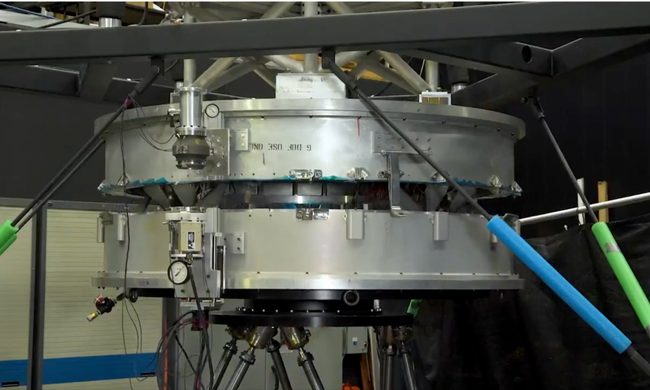
It wants to refuel a spacecraft in orbit before heading out for the mission. What’s even more interesting is that the space agency just finished testing a component that could make that possible: a cryocoupler.

Read more
Elon Musk’ Starlink could soon offer mobile services as a US carrier
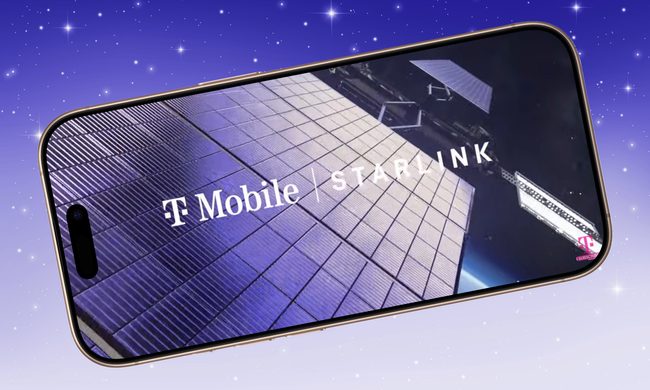
Showcase of T-Mobile Starlink service on an iPhone.

Elon Musk’s Starlink has already changed how millions of people access the internet, especially in places where traditional broadband struggles to reach. Now, the satellite internet service could be preparing for an even bigger leap — becoming your mobile carrier.

According to a Financial Times report, SpaceX has told investors it’s considering launching a retail Starlink mobile service in the US. Instead of simply partnering with wireless carriers, the company could begin selling mobile plans directly to consumers, putting it in direct competition with Verizon, AT&T, and T-Mobile.

Read more
Lightsails have hit another speed bump on the road to interstellar travel
The coolest interstellar travel idea may get betrayed by the light pushing it
LightSail in Earth orbit

Laser-powered lightsails are one of the coolest answers to spaceflight. It might not be as sci-fi-sounding as a warp drive, but now, its practicality has also come under question. Using lightsails, a spacecraft could unfurl an ultra-thin reflective sail and let a powerful laser push it toward another star, without relying on fuel.

The tech was simple and elegant--except it's also more complicated than it sounds. A new preprint from researchers Chao Shen and Jiaze Li of the Harbin Institute of Technology suggests that relativistic lightsails may run into a hidden propulsion problem once they start moving extremely fast.

Read more